
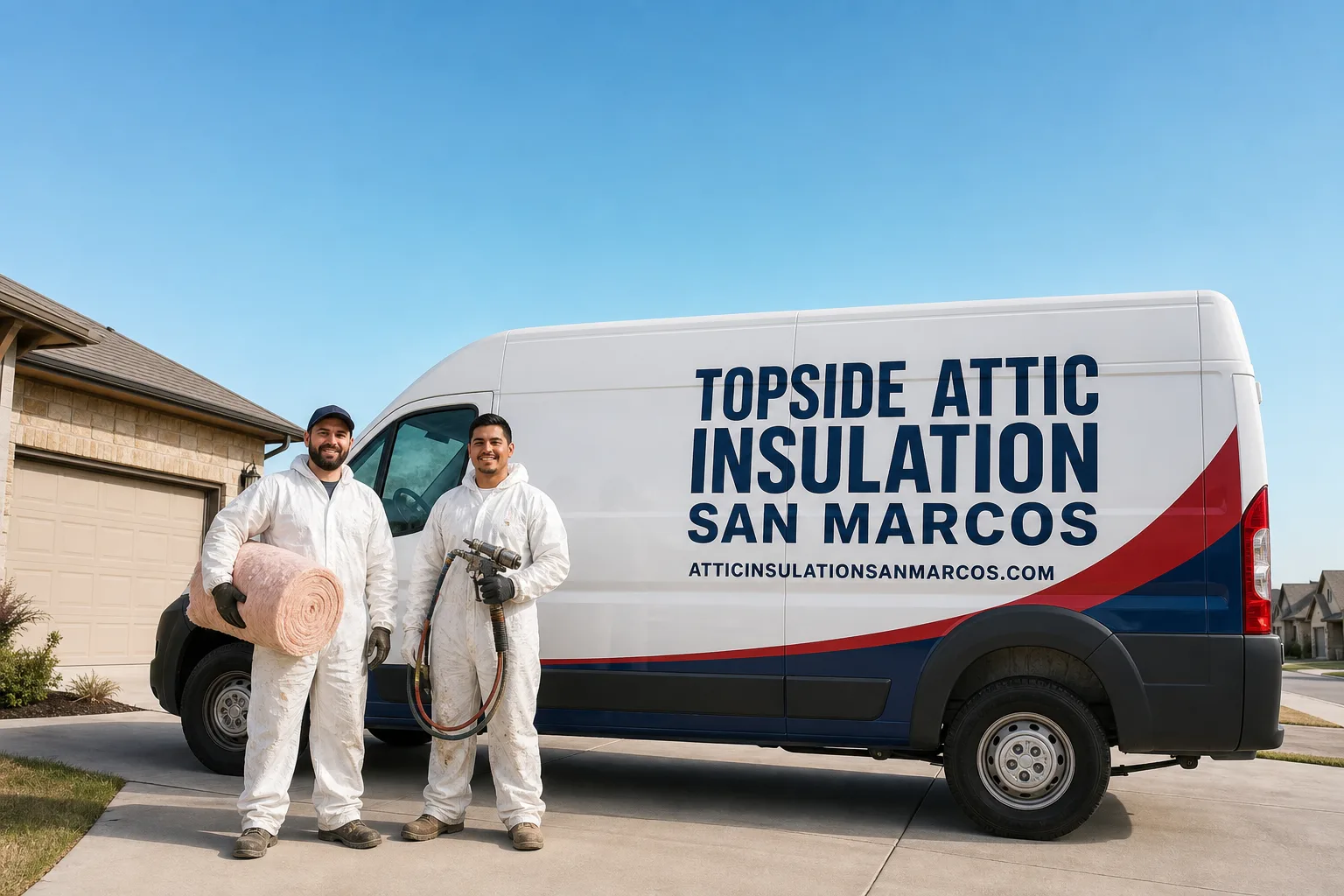
Fast, Reliable Blown-In Insulation Across Austin
Blown-in insulation in Austin typically runs $1.80 to $3.40 per square foot installed, with most whole-attic jobs landing between $2,400 and $5,800 depending on existing conditions and the R-value you’re targeting. Our crews dispatch from the Austin office and usually book initial assessments within 48 hours for homes inside the city limits, including the central neighborhoods and the North Austin corridor. Call us at (737) 337-8049 and we’ll put a written price in your hand before any work starts.
We’ve been air-sealing and insulating Austin homes since 2016, and the housing stock here breaks into two distinct categories that demand different approaches. The pre-1960s pier-and-beam bungalows in Hyde Park, Travis Heights, and Bouldin Creek need floor-deck and kneewall attention that newer houses don’t. The 1990s-2000s production builds across North Austin, Pflugerville, and South Austin corridors usually have trampled, settled attic fiberglass that needs strategic top-up work after proper air sealing. We don’t guess which category you’re in. We test, document, and scope before anyone touches a hose.
Why Topside Attic Insulation San Marcos Is Austin’s Preferred Blown-In Insulation Company
Our reputation in Austin is built on documentation, not promises. Every job closes with a Blown-In Insulation photo record and, on applicable work, before-and-after blower-door numbers that show exactly how much conditioned air your home stopped losing. We’ve sealed and insulated over 9,000 homes since 2016, and every one started with a written price and finished with a documented record.
Austin customers specifically mention our response speed in reviews, live phone answering at odd hours, and the fact that we don’t try to sell spray foam to someone who only needs cellulose. We’re not chasing the highest ticket; we’re matching the scope to the house. Crews carry Knauf and CertainTeed materials on the truck, so we’re not waiting on a distributor run to finish your job.
Our Austin office handles dispatch and scheduling directly. That means no third-party call center reading a script, no callback windows measured in business days, and a named technician who texts when they’re en route. Under Haven Standard: Arrive on schedule, you get a named technician and a text when they are on the way.
We also understand Austin Energy’s rebate infrastructure from the contractor side. The program requires certified-rater verification of R-value and air-sealing benchmarks, which means blower-door documentation isn’t optional paperwork, it’s the mechanism that gets you your rebate check. Competitors who skip the testing or don’t know how to file lose these jobs on administrative failure alone. We don’t.
Our Blown-In Insulation Services in Austin
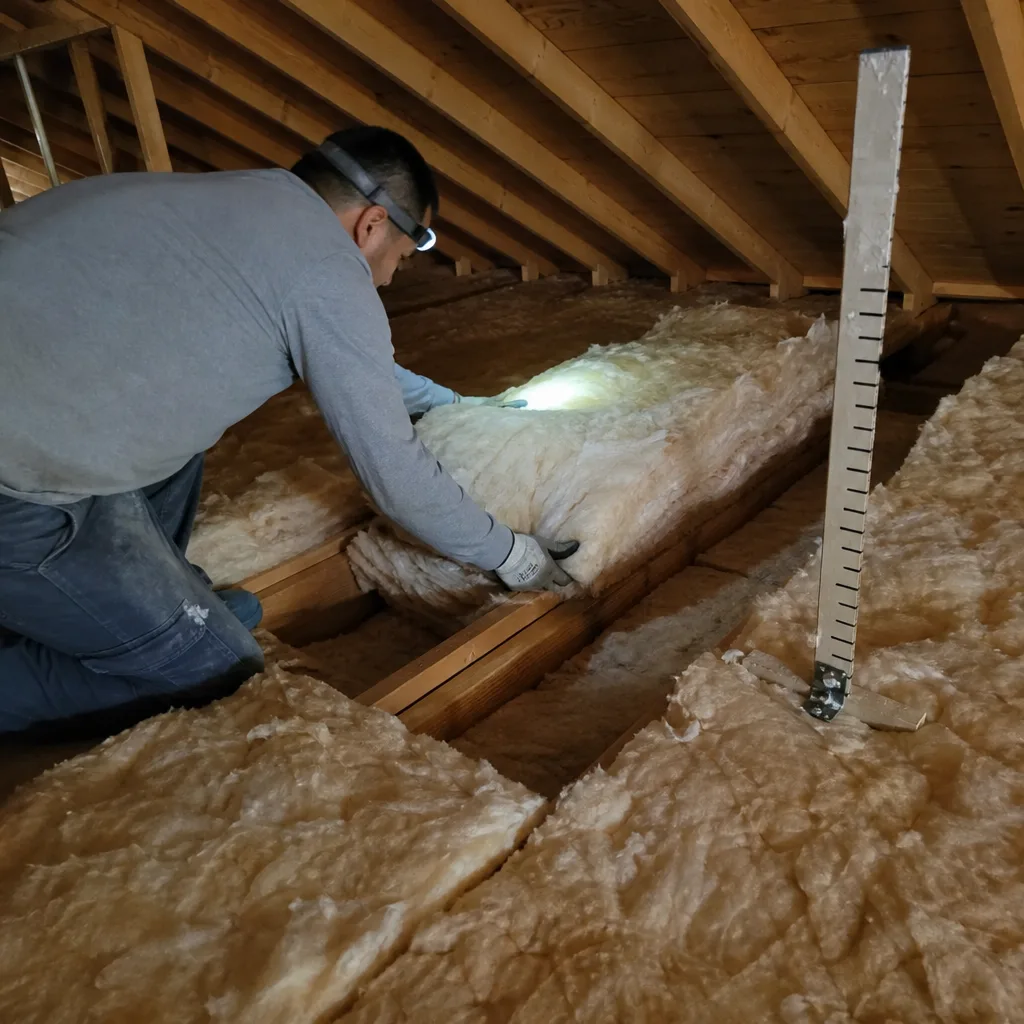
Blown-In Cellulose
We blow GreenFiber cellulose in Austin attics where the existing insulation is compromised or absent and the homeowner wants a material that handles our heat cycles well. Cellulose runs denser than fiberglass, which matters in Austin’s 140-155°F attic peaks because it resists convection currents that can form in looser fills. A typical Austin attic cellulose job runs $2,600-$4,800 for R-38 to R-49 over a 1,500-square-foot footprint, assuming we air-seal first. We were called to a 1948 pier-and-beam bungalow off Avenue G in Hyde Park where winter bills had doubled after Uri; the open crawl space had zero floor-deck insulation and the attic held maybe R-11 of settled, dust-caked fiberglass. We air-sealed the top plates and can lights first, then blew GreenFiber cellulose to R-49 over the attic floor and dense-packed the porch kneewall cavities, and the blower-door numbers came in tight enough to file the Austin Energy rebate the same week.
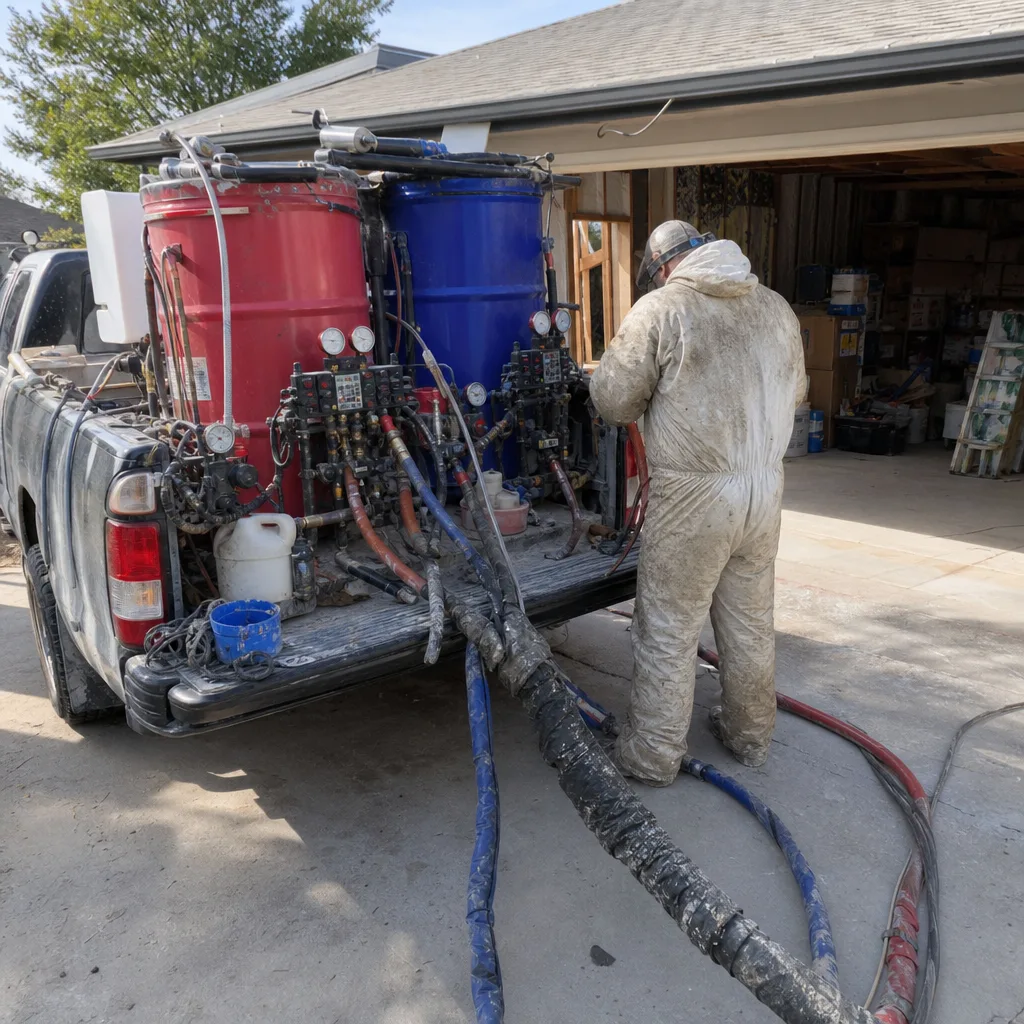
Blown-In Fiberglass
Fiberglass works well in Austin’s newer production homes where the original blown fill has settled but the ceiling drywall and attic ventilation are intact. We source from Knauf and CertainTeed, never proprietary blends you can’t verify. The critical difference in Austin is that we won’t blow new fiberglass over old without first addressing what caused the original to fail, which is usually air leakage from the conditioned space below plus HVAC traffic. A top-up with fresh blown fiberglass in a typical North Austin 1998-2005 home runs $1,800-$3,200, but only after we’ve sealed the top plates, can lights, and penetrations. Without that sequencing, you’re paying for insulation that wind-washes and underperforms within two seasons.
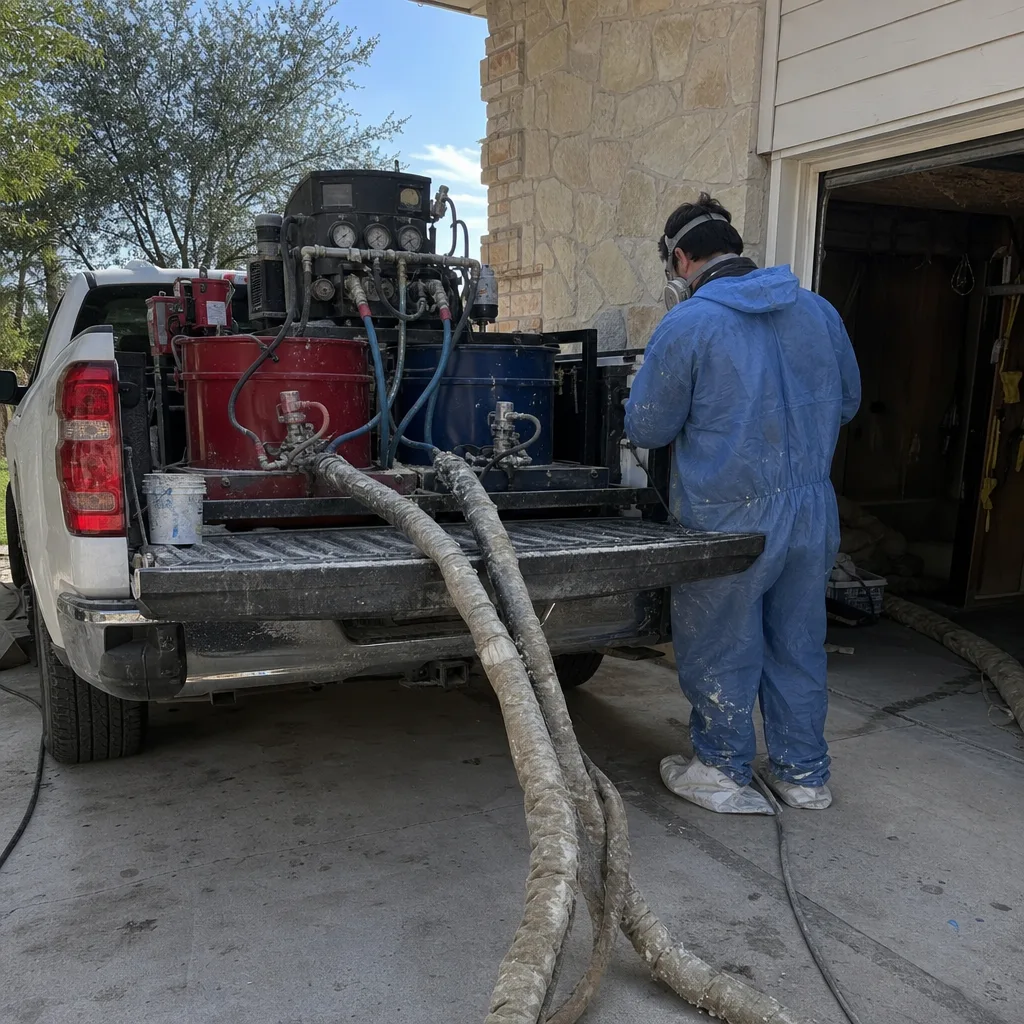
Dense-Pack Wall Insulation
Austin’s pre-1960s bungalows and many 1970s-1980s renovations have empty stud cavities or failed batt insulation that was never properly supported. Dense-packing blows cellulose at 3.5 pounds per cubic foot into closed cavities, creating an air-impermeable block that doesn’t settle like loose fill. This matters in Hyde Park and Travis Heights homes where the original construction had no insulation at all, and where exterior modifications like enclosed porches created kneewall spaces that act as thermal chimneys. Dense-pack wall work in Austin runs $3.50-$5.20 per square foot of wall area, and we always pair it with blower-door verification so you know the assembly actually performs.
Blown-In Top-Up
This is our most common Austin call. The 1990s-2000s production-home blown fiberglass in North Austin and Pflugerville attics has settled from R-19-R-30 down to 60-70% of its labeled depth, and repeated HVAC service calls have trampled and displaced it around the air handler. A top-up sounds simple, but in Austin’s climate it’s where contractors most often cut corners. We test first. If your attic floor leaks air at the top plates and can lights, adding insulation without sealing is like throwing a blanket over a window you left open. Our top-up scopes include air sealing as a hard prerequisite, not an upsell, with written blower-door targets before and after. Most Austin top-ups run $2,200-$4,000 for attics in the 1,200-2,000 square foot range.
What happens when you call
- 1
A real person answersNo phone trees - you reach a local pro.
- 2
You get an upfront price rangeHonest numbers before anyone is dispatched.
- 3
A background-checked tech heads outLicensed & insured, dispatched right away.
- 4
You approve before work beginsNothing starts until you say go.
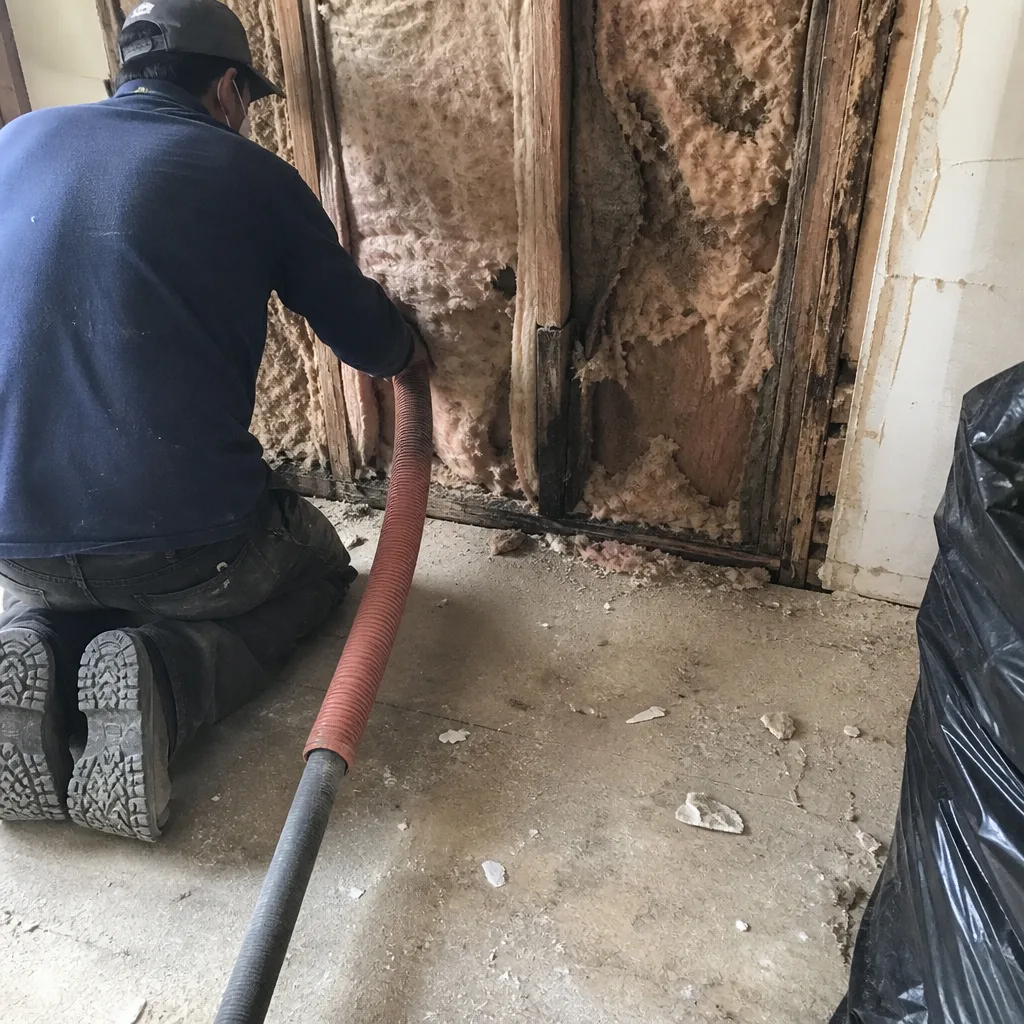 Before
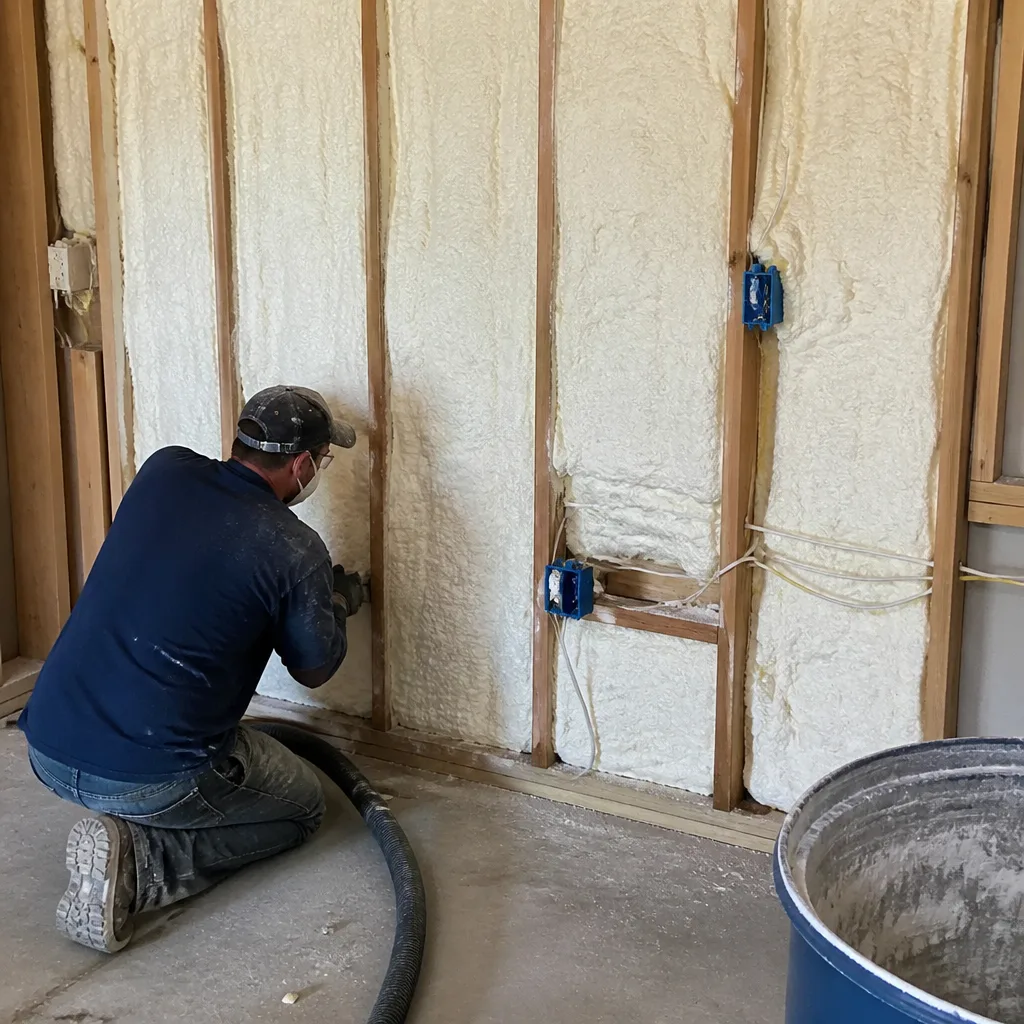 After
AfterTrusted Brands We Service in Austin
We stock Knauf, CertainTeed, and Rockwool materials on our Austin trucks, sourced through standard distribution channels with no proprietary lock-in. That means if you want to verify the product spec sheet or compare against another contractor’s quote, the data is public and the product is name-brand. We don’t re-label or blend our own mixes. For Austin customers, this translates to faster job completion, no supply-chain delays on common R-values, and the ability to match existing insulation type when doing partial repairs or top-ups. If your home already has Knauf fiberglass, we’ll note that in the scope and either match it or explain why we’re recommending a change. The documentation you receive includes product lot numbers and installed depth readings, not just a generic “insulation added” line item.
Common Blown-In Insulation Problems We See in Austin Homes
- Settled production-home fiberglass in North Austin and Pflugerville. The 1990s-2000s building boom used blown fiberglass at R-19 to R-30, but twenty-plus years of attic traffic, ductwork service, and natural settling has compressed it to a fraction of labeled performance. We measure actual depth against labeled depth, and the gap is usually 40% or worse.
- Uninsulated pier-and-beam floor decks in central Austin. Pre-1960s bungalows in Hyde Park, Travis Heights, and Bouldin Creek were built with open crawl spaces and no floor-deck insulation. Winter heat drains downward while the attic insulation, if present at all, was sized only for summer heat rejection. After Uri, this failure mode became impossible to ignore.
- Baked and compressed loose fill from extreme attic temperatures. Austin’s 140-155°F summer attic temps plus ductwork running through unconditioned vented attics accelerate fiberglass degradation and cellulose settling. The 2021 freeze then pushed many homeowners toward spray foam roof-deck encapsulation retrofits instead of a simple top-up, which is sometimes the right call and sometimes oversold.
- Rebate paperwork killed by missing blower-door documentation. Austin Energy’s rebate program requires certified-rater verification of R-value and air-sealing benchmarks. Contractors who treat blower-door testing as optional, or who don’t know how to format the report for Austin Energy’s portal, leave money on the table that the homeowner never knows existed.
Pricing for Blown-In Insulation in Austin, TX
Most blown-in attic jobs in Austin run between $2,400 and $5,800, with wall dense-pack work landing higher at $3.50-$5.20 per square foot of wall area. Here’s how typical scopes break down:
| Service | Typical Range (Austin) | What Drives Cost |
|---|---|---|
| Blown-in cellulose, attic floor to R-49 | $2,600-$4,800 | Existing removal, air sealing extent, access difficulty |
| Blown-in fiberglass top-up | $1,800-$3,200 | Condition of existing fill, air sealing required, attic square footage |
| Dense-pack wall insulation | $3.50-$5.20/sq ft | Cavity accessibility, exterior finish type, repair scope |
| Full removal + replacement | $4,200-$7,500 | Contamination level, disposal fees, new air sealing |
These ranges assume standard attic access and no active rodent or moisture remediation. If your attic needs cleaning or repair before insulation can go in, we’ll document that in the initial scope and price it separately, never as a mid-job surprise. Every estimate is a Written Price Before Any Work Starts under Haven Standard Clause 1, and we offer a Free Second Opinion on any written estimate from another contractor. Call (737) 337-8049 to schedule.
We Also Serve Cities Near Austin
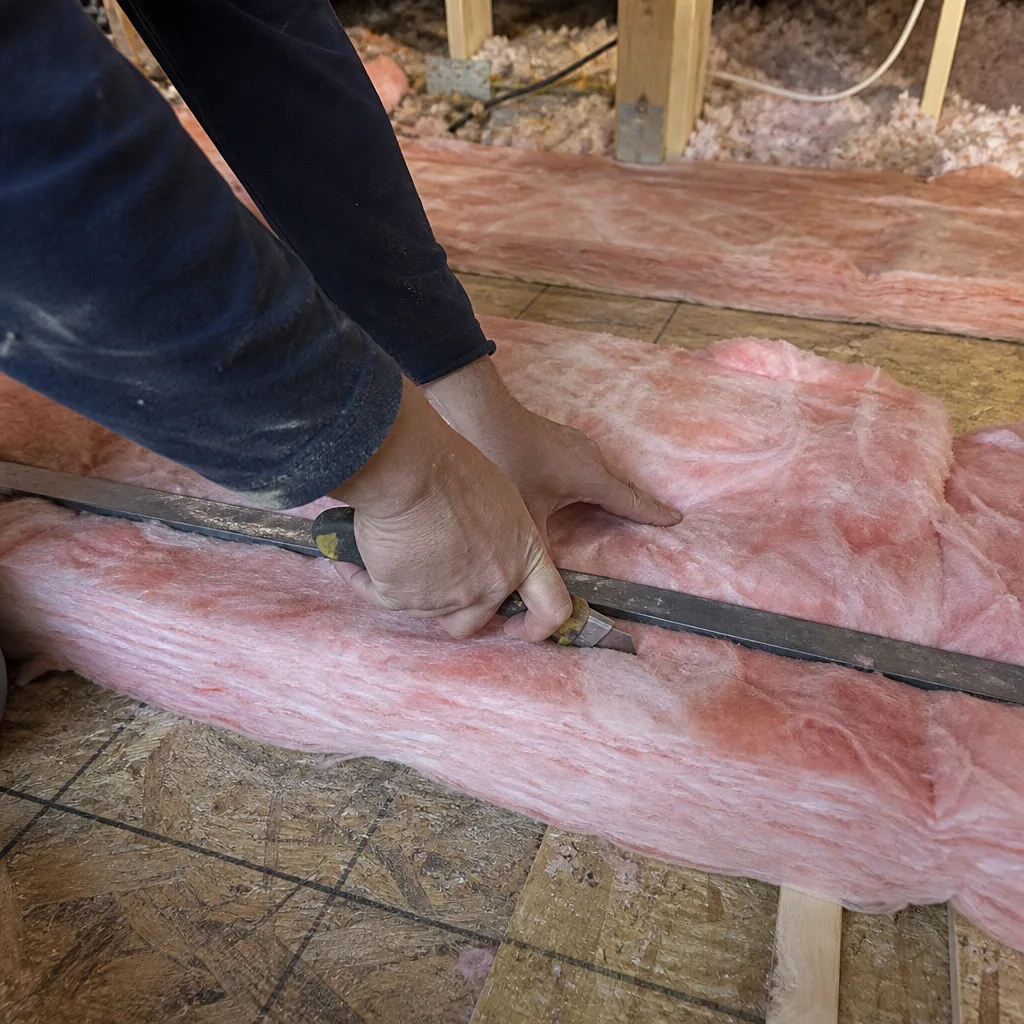
Our crews work throughout the Austin metro and regularly travel to Austin adjacent communities including Manor, Buda, Kyle, and Lockhart. Note that Austin Energy rebates apply only within city limits; homes in these surrounding areas on Oncor or Pedernales Electric have different incentive structures, and we’ll adjust the scope documentation accordingly.
Serving Austin, TX - Our Local Coverage Area
We’re based in the Austin area and know this community well. Use the map below to see our service coverage - if you’re nearby, we can almost certainly help.
FAQs - Blown-In Insulation in Austin
Yes, Austin Energy offers rebates for attic insulation and air-sealing upgrades, but only for homes within city limits and only when the work is verified by a certified rater. The rater must document pre- and post-work R-values and blower-door test results showing air leakage reduction. We include certified-rater coordination in our scopes for Austin jobs, and we format the blower-door report specifically for Austin Energy’s portal so the paperwork doesn’t stall your rebate. Call (737) 337-8049 and we’ll walk you through the current rebate schedule.
We can, but we won’t do it without air sealing first. Trampled fiberglass around the air handler is a symptom, not the root problem. The attic floor is leaking conditioned air at the top plates and can lights, which is why the HVAC tech was up there repeatedly. We’ll measure actual depth, seal the leakage points, then blow new material to the target R-value with written depth verification. Most North Austin top-ups in this category run $2,200-$4,000. Call (737) 337-8049 for a written scope.
Pre-1960s pier-and-beam construction has uninsulated floor decks, open crawl spaces, and often no wall insulation at all, plus thermal bridges at the porch kneewalls. A newer South Austin house likely has a slab foundation, insulated walls, and a vented attic with existing fiberglass that just needs strategic top-up. The bungalow needs a full-envelope approach; the production home needs targeted attic work with proper air sealing. We scope accordingly, never apply the same template to both. Call (737) 337-8049 and we’ll assess which category you’re in.
Yes. Before February 2021, most Austin calls were about summer cooling costs and attic heat rejection. After Uri, we’re regularly asked about whole-envelope performance, including floor-deck insulation and conditioned attic assemblies. The psychology shifted permanently; homeowners now want to know their house can retain heat through a multi-day hard freeze, not just reject heat in August. We address both in our scopes, with blower-door numbers that quantify the improvement. Call (737) 337-8049 to discuss your specific concerns.
We use GreenFiber cellulose and Knauf fiberglass, depending on the application. Cellulose handles Austin’s extreme attic temperatures well because its higher density resists convection looping that can occur in looser fills. Fiberglass works where we need to match existing material or where moisture management is the primary concern. We don’t default to one product; we specify based on your attic’s ventilation, existing conditions, and performance targets, and we document the product choice in your written scope. Call (737) 337-8049 for material-specific questions.
Ready to stop losing conditioned air through an underperforming attic? Our Austin office dispatches crews across the city and surrounding metro. Every job starts with a written price, includes air sealing as a hard prerequisite, and closes with a Documented Photo Record plus blower-door verification where applicable. The 365-Day Done Right Promise applies to all completed work. Call (737) 337-8049 today for your free estimate.
Written by Wes Okafor, Owner at Topside Attic Insulation San Marcos, serving Austin since 2016.