

Fast, Reliable Blown-In Insulation Across Buda
Most blown-in insulation upgrades in Buda run $1,800-$4,500 for a typical 2,000-square-foot attic, and our crews complete the work in a single day. We dispatch from our Austin office and keep regular routes through the SH-45 Southeast and FM 1626 corridors, so Buda homeowners usually see us within 24-48 hours of calling. If you’re watching summer electric bills climb in a 10-20-year-old tract home off Kyle Parkway or near Sunfield, the cause is almost always settled builder-grade insulation that no longer performs at its rated R-value. Call (737) 337-8049 and we’ll send a written estimate with a documented photo record before any work starts.
Why Topside Attic Insulation San Marcos Is Buda’s Preferred Blown-In Insulation Company
We’ve worked the Buda market long enough to recognize the exact construction vintages where insulation failure concentrates. The subdivisions that went up in the 2005-2015 window along North FM 1626 and the growth corridors feeding into Kyle Parkway share a common profile: R-30 blown-in fiberglass or cellulose installed to minimum IECC code, now settled to R-18 or below after a decade of 130°F attic summers. Our crews don’t guess at what’s in your attic. We measure it, photograph it, and show you the blower-door numbers before and after we seal and insulate.
Response time to Buda is typically next-day for standard appointments and same-day for urgent cases, especially during the late-summer peak when HVAC systems are running flat out against attic heat gain. Our technicians are background-checked, uniformed, and named on your written scope before they arrive. You get a text when they’re on the way. Under Haven Standard: Arrive on schedule, you get a named technician and a text when they are on the way.
We publish before-and-after blower-door readings on every applicable job. That’s not a marketing line. It’s a pressurization measurement, in CFM50, that shows exactly how much conditioned air your home was losing before we sealed it and how much less it loses after. Homeowners in Buda’s newer subdivisions routinely see 40-60% reductions. We deliver that documentation with the final invoice, along with the photo record of every stage of the work.
Our Blown-In Insulation Services in Buda
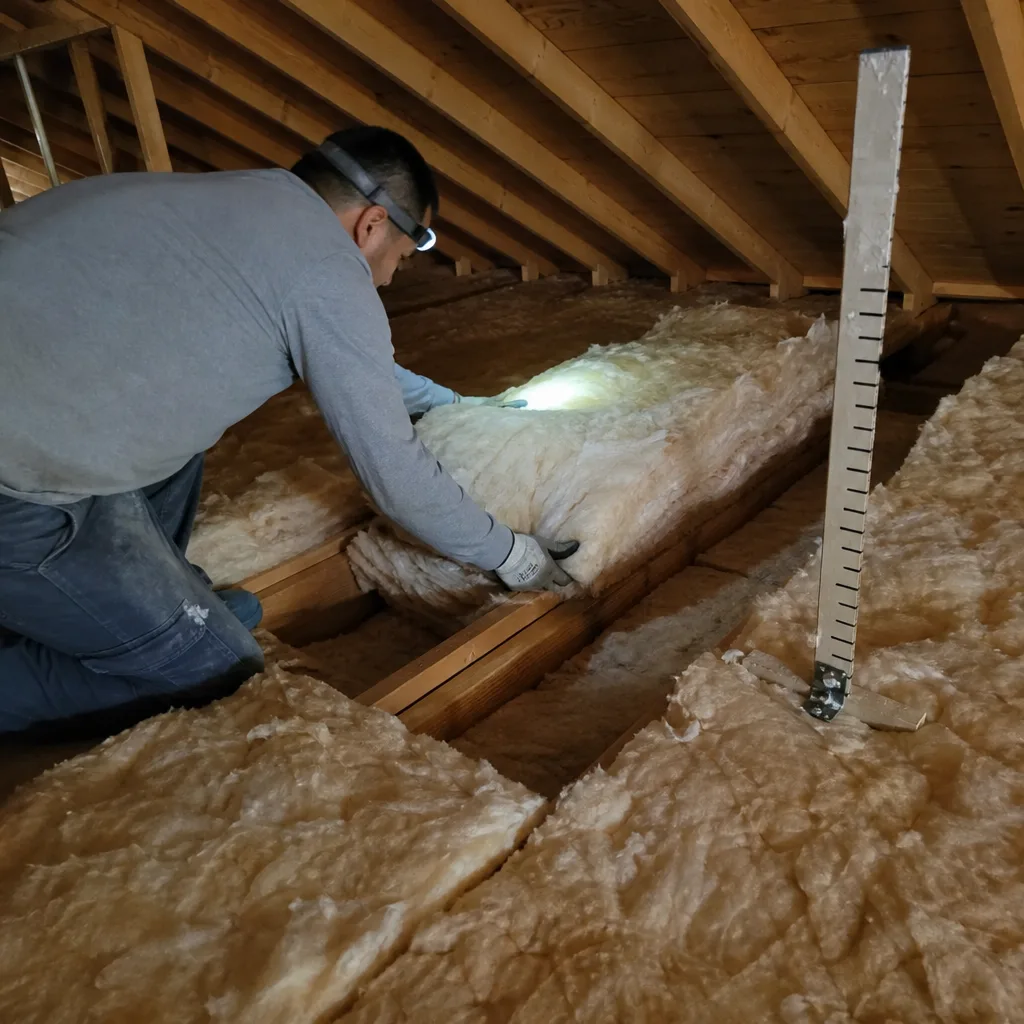
Blown-In Fiberglass
We install blown-in fiberglass from Johns Manville and CertainTeed in Buda attics where the original material has compressed or where homeowners want to step up from cellulose to a synthetic option with better moisture tolerance. Fiberglass doesn’t absorb humidity the way organic materials can, which matters in Buda’s Blackland Prairie climate where summer attic moisture can spike during afternoon thunderstorms. A typical blown-in fiberglass job in a 2,400-square-foot Buda home runs $2,200-$3,800 to reach R-49. We dense-pack it to full depth, mark the finished height on trusses for future inspection, and seal every penetration before the blower truck starts.
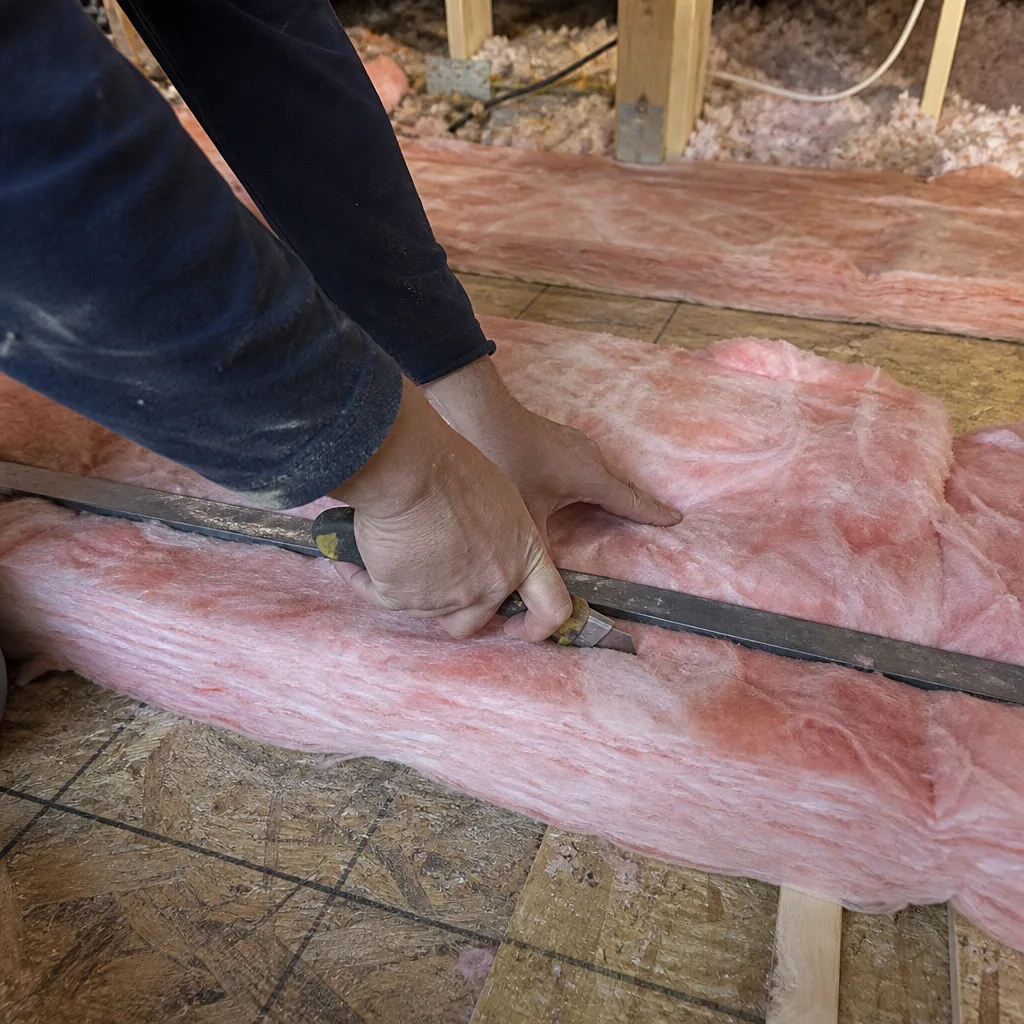
Blown-In Cellulose
Cellulose, treated with borate fire retardant, remains the most common material we handle in Buda’s settled attics. It’s made from recycled paper fiber and carries a higher R-value per inch than standard fiberglass, which matters when you’re trying to pack R-49 into a truss bay with limited headroom. We source from GreenFiber and other suppliers. Cellulose settles over time, but proper installation density, which we verify with depth gauges across the attic plane, minimizes that loss. In Buda’s production homes, we often find the original cellulose was blown too loosely, creating voids near HVAC platforms and attic hatches where the installer couldn’t maneuver the hose.
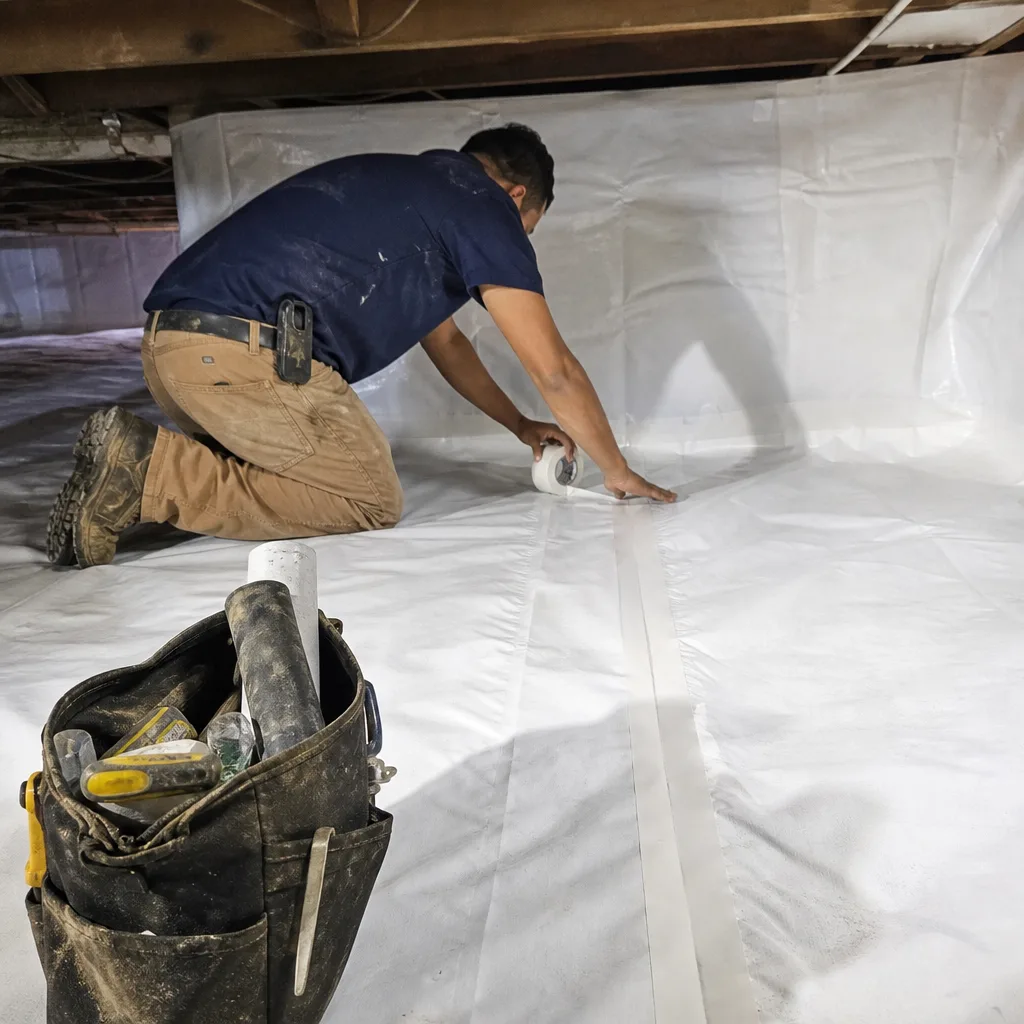
Dense-Pack Wall Insulation
Buda’s tract homes were built with uninsulated or minimally insulated exterior wall cavities, and the garage-side walls are especially problematic. These are the walls that separate conditioned space from the garage, and in many SH-45 Southeast subdivisions they were left at R-11 or empty. During Winter Storm Uri, under-insulated pipe chases in these walls froze and burst across Hays County. We dense-pack wall cavities with blown-in fiberglass or cellulose at 3.5 pounds per cubic foot, which eliminates convection loops and achieves a full-contact thermal barrier. This requires drilling access holes, blowing the material, and patching, but the result is a wall that performs at its rated R-value rather than the 30-40% loss typical of batt installations with gaps.
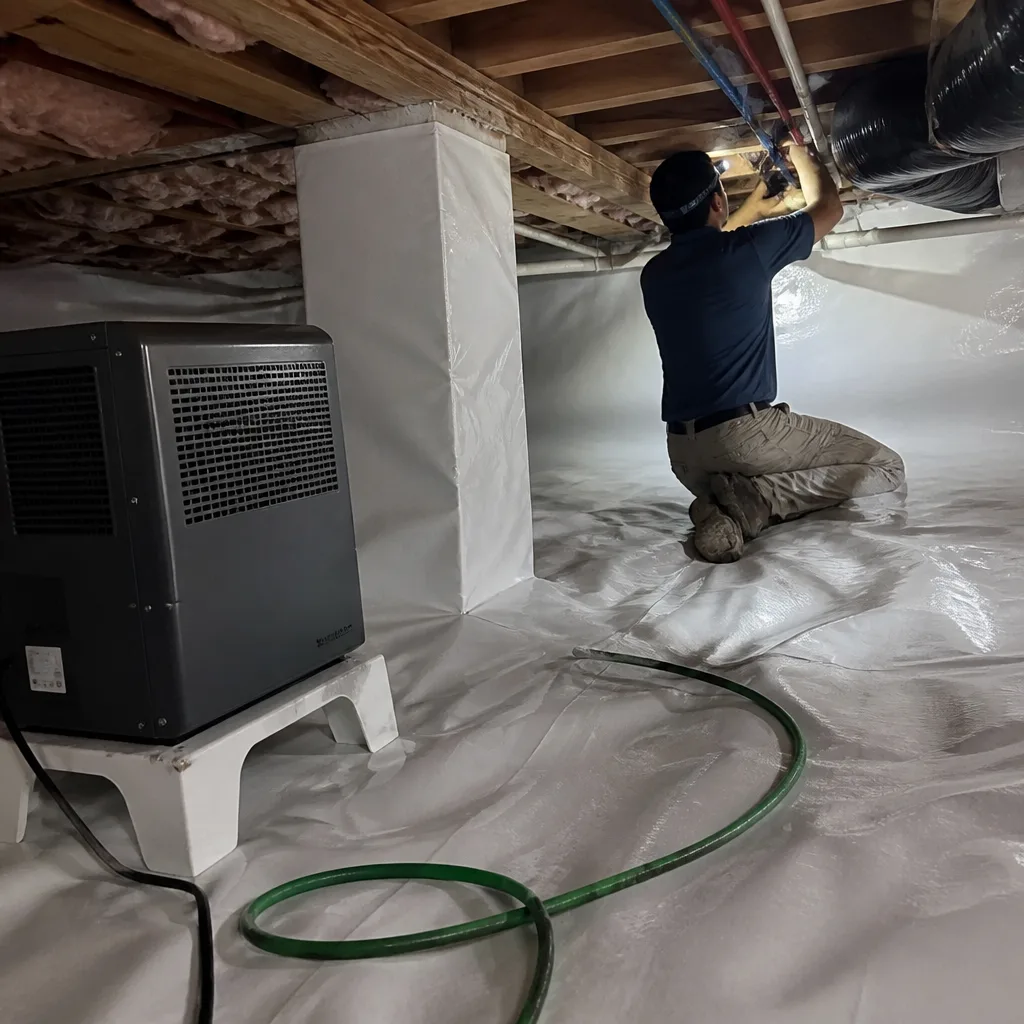
Blown-In Top-Up
This is our most common service call in Buda. A top-up adds material over existing blown-in insulation that has settled but remains in place and uncontaminated. We don’t blow over unsealed attics. First we air-seal top plates, can lights, and penetrations, then we calculate the exact depth needed to restore R-30 or reach R-49. A blown-in top-up in Buda typically costs $1,200-$2,800, depending on attic square footage and the condition of the existing layer. We mark the finished depth on a schematic we leave with you, so you or a future inspector can verify the work without crawling through insulation.
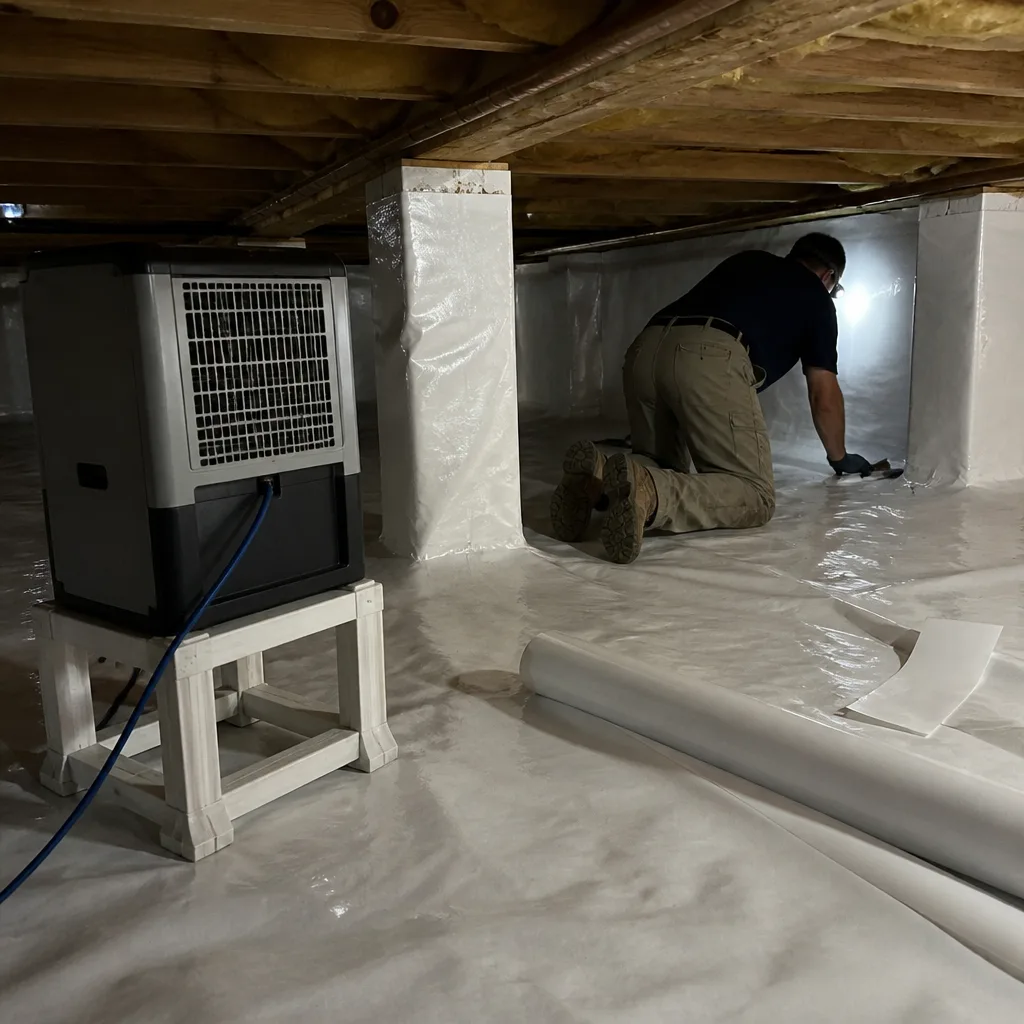
What happens when you call
- 1
A real person answersNo phone trees - you reach a local pro.
- 2
You get an upfront price rangeHonest numbers before anyone is dispatched.
- 3
A background-checked tech heads outLicensed & insured, dispatched right away.
- 4
You approve before work beginsNothing starts until you say go.
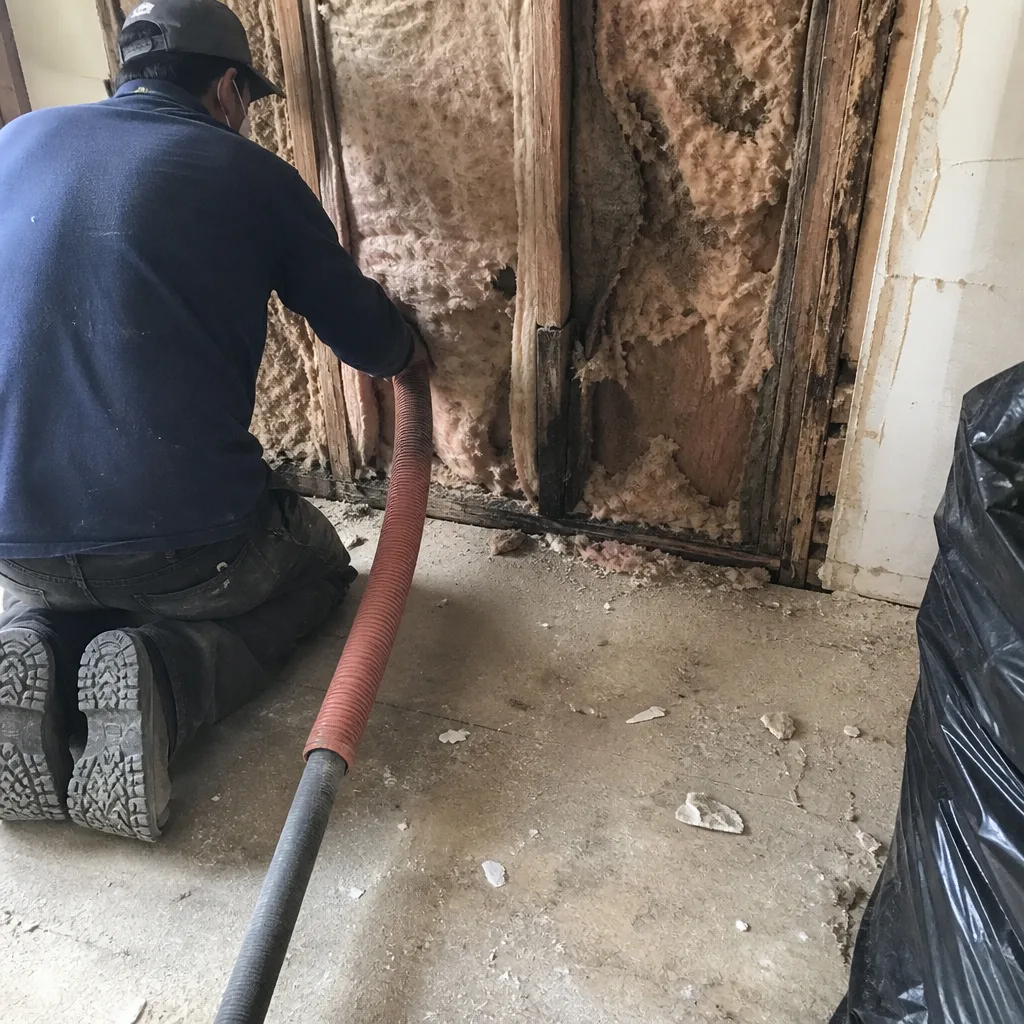 Before
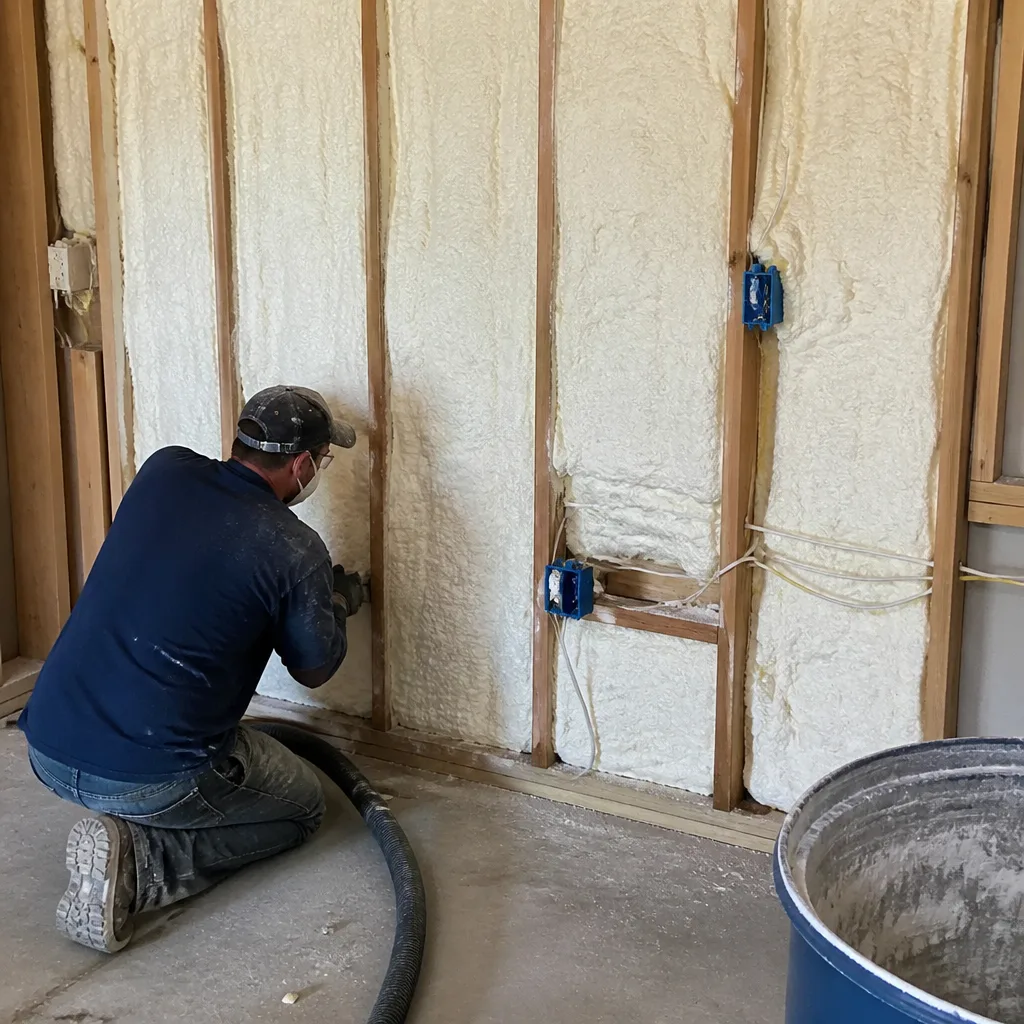 After
AfterTrusted Brands We Service in Buda
We stock and install materials from Owens Corning, Johns Manville, Knauf, Rockwool, CertainTeed, Icynene, Demilec, and GreenFiber. No proprietary lock-in means we specify what’s right for your assembly, not what our supplier contract requires. For Buda’s hot attics, we often recommend CertainTeed fiberglass or Rockwool mineral wool in applications where fire resistance and dimensional stability matter. Rockwool doesn’t slump at temperature the way some materials can, which is relevant when your attic spends four months above 130°F. We keep common densities and blower settings calibrated for each brand, so the material you choose goes in at the density the manufacturer specifies, not whatever the crew defaults to.
Common Blown-In Insulation Problems We See in Buda Homes
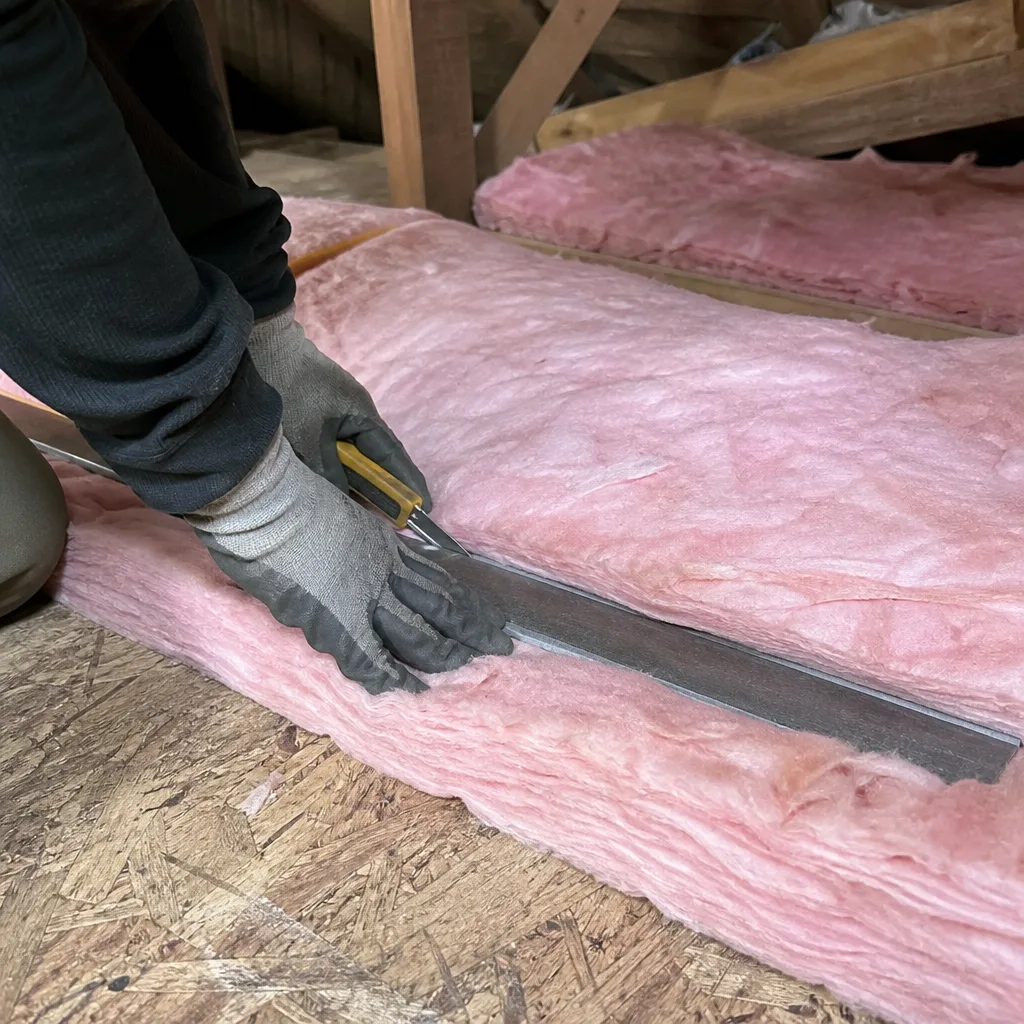
- Uniform settling to R-18 in 2005-2015 construction. Buda’s boom built thousands of homes in the same 5-year window along SH-45 Southeast and FM 1626, so the original R-30 blown-in insulation in these attics has degraded on a concentrated, neighborhood-wide curve rather than the scattered pattern seen in older, slower-built areas. We pulled an attic hatch off a two-story in the Sunfield subdivision near Kyle Parkway and found the builder’s original blown-in fiberglass had settled to R-18 in a home that spec’d R-30 - the homeowner’s summer electric bills had climbed 40% over five years. We dense-packed the open bays with Johns Manville fiberglass to R-49 and sealed the hatch and top plates, cutting their attic heat load and stabilizing the second-floor temperature.
- Wind-washed low spots near attic hatches and HVAC platforms. Builders blowing insulation quickly in production homes often can’t maneuver the hose into corners and around mechanicals. The result is thin spots, sometimes bare drywall, exactly where thermal bridging is worst. We map these with thermal imaging before we quote and verify fill with depth gauges after.
- Under-insulated garage walls and pipe chases exposed during hard freezes. February 2021 proved how minimum-code insulation fails when temperatures drop. Buda homes built to 2009 IECC standards or earlier often have garage walls at R-11 or less, with pipe chases running through unconditioned cavities. Dense-packing these walls is the fix, not hoping the next freeze is milder.
- Truss-blocked bays that never received full depth. The webbing in engineered trusses creates small compartments that are hard to fill uniformly. We use specialized hose extensions and higher blower pressure to pack these fully, then probe with a ruler at random locations to confirm.
Pricing for Blown-In Insulation in Buda, TX
| Service | Typical Range (Buda) | Notes |
|---|---|---|
| Blown-in top-up to R-38/R-49 | $1,200 - $2,800 | Over existing settled material; includes air sealing |
| Full attic replacement with removal | $2,800 - $5,200 | Contaminated or compressed existing insulation |
| Blown-in fiberglass to R-49 | $2,200 - $3,800 | 2,000-2,500 sq ft attic; CertainTeed or Johns Manville |
| Dense-pack wall insulation | $1,800 - $3,500 | Per 1,000 sq ft of wall area; includes patching |
| Air sealing + blower-door test | $800 - $1,500 | Required before any blown-in installation |
These are the ranges we see on actual Buda jobs, not national averages. Final price depends on attic square footage, existing insulation condition, accessibility, and whether we need to add baffles or extend vent chutes. Every job begins with a written price - no work starts without it - and we offer a Free Second Opinion on any written estimate you’ve already received. Call (737) 337-8049 for your specific number.
We Also Serve Cities Near Buda
Our crews run regular routes through Kyle, San Marcos, Austin, and Lockhart, with dispatch coordinated from our Austin office. If you’re in Buda proper or in the developing corridors between these cities, we keep the same scheduling standards and the same written-price policy. Our Blown-In Insulation team covers the full Hays County and southern Travis County market with documented photo records and blower-door verification on every applicable job.
Serving Buda, TX - Our Local Coverage Area
We’re based in the Buda area and know this community well. Use the map below to see our service coverage - if you’re nearby, we can almost certainly help.
FAQs - Blown-In Insulation in Buda
No. In our experience, 2010-vintage blown-in fiberglass or cellulose in Buda’s production homes has settled to R-18-R-22, well below its original rating. The 130°F+ attic temperatures from June through September accelerate compression, and builder-grade installation densities were often marginal to begin with. We verify actual R-value with depth probes and thermal imaging during our assessment. Call (737) 337-8049 for a free evaluation with written findings.
Buda’s 2000s-2020s boom built thousands of tract homes in the same 5-year window, so the original R-30 blown-in insulation in these attics has settled uniformly to R-18 or less - a concentrated, neighborhood-wide failure rather than the scattered degradation seen in older, slower-built Austin suburbs where upgrades have already happened property by property over decades. The distinctive hook is the concentration: entire subdivisions hit the same failure curve simultaneously, making the problem visible in utility bills across whole neighborhoods.
Yes, but only when combined with proper air sealing. Blown-in insulation alone won’t stop air infiltration through can lights, top plates, and pipe penetrations. During Uri, Hays County homes with sealed attics and dense-packed walls at R-13 or above fared significantly better than minimum-code builds with wind-washed blown-in and unsealed penetrations. We address both the insulation and the air barrier as a system, and we document the improvement with before-and-after blower-door numbers.
Sometimes, but only after we inspect and test the existing material. If it’s dry, uncontaminated by rodent activity, and not compressed into a solid mat, a top-up is appropriate and cost-effective. If it’s moldy, urine-contaminated, or compressed below recoverable density, we remove it. We make that determination with photos we show you, not a sales pitch. The written scope specifies exactly what we’re doing and why.
Top-up is the right choice when the existing insulation is in place, dry, and reasonably distributed, but simply thin. Full replacement is necessary when there’s contamination, major compression, or significant voids from prior work. We tell you which category you’re in after the attic inspection, and we show you the photos that support the recommendation. The 365-Day Done Right Promise applies either way - if it’s not done right, we make it right.
Ready to see what’s actually in your attic? Call (737) 337-8049 for a free estimate with written pricing before any work starts. We serve Buda and the surrounding Hays County area with background-checked technicians, live-answer scheduling, and documented results you can verify.
Written by Wes Okafor, Owner at Topside Attic Insulation San Marcos, serving Buda since 2016 under The Haven Standard.