

Fast, Reliable Blown-In Insulation Across San Marcos
Blown-in insulation in San Marcos typically costs $1.80-$3.50 per square foot for attic applications, with most residential jobs running $2,400-$5,800 depending on existing conditions and the R-value you’re targeting. We complete most San Marcos installations in a single day, and our crews dispatch from our Austin coordination office with direct routes down I-35 to reach properties from the historic downtown grid to the new master-planned communities along the growth corridor.
San Marcos sits at a brutal intersection of climate pressures: Gulf humidity rolling up against the Balcones Escarpment, summer highs parked at 98-105°F from June through September, and Flash Flood Alley moisture events that degrade insulation faster than in drier Hill Country markets to the west. We’ve sealed and insulated over 9,000 homes since 2016, and the San Marcos jobs that stick in our memory are the ones where we pulled back existing insulation to find water-stained, compressed batts that had been baking tenants and homeowners for years without anyone knowing.
Our Blown-In Insulation team works the full San Marcos market: aging rental stock near Texas State University, 1970s-1990s wood-frame homes in the established neighborhoods, and the new construction along I-35 that arrived with minimum-code insulation already falling behind local energy demands. Call (737) 337-8049 for a written price before any work starts - that’s Haven Standard Clause 1, no exceptions.
Why Topside Attic Insulation San Marcos Is San Marcos’s Preferred Blown-In Insulation Company
We’ve worked the Sessom Drive corridor, the Hopkins Street apartment clusters, and the subdivisions springing up past Wonder World Drive. That range matters because a crew that only knows new construction won’t recognize what happens when original blown-in fiberglass gets displaced during the third rooftop HVAC replacement on a 1985 building.
Our reviews from San Marcos customers consistently mention two things: the blower-door numbers we leave behind, and the photo documentation they didn’t expect. One recent job off Post Road - a 1994 split-level near the San Marcos River - dropped from 3,800 CFM50 to 1,900 after we sealed top plates and can lights before blowing Knauf fiberglass. The homeowner had the before-and-after readings, the sealed scope, and 72 photos on a shared link before we packed up.
Response time to San Marcos runs same-day for most inquiries. Our Austin office coordinates dispatch, and crews are typically on-site within hours for standard scheduling, faster for properties where insulation failure has created immediate comfort or moisture problems. Live person answers the phone 24/7. No voicemail loops, no callback windows measured in business days.
The local knowledge that separates competent insulation work from excellent work in San Marcos is understanding the rental market dynamics. Landlords near TXST are managing cash flow on units built to 1980s code, often with original insulation degraded by decades of HVAC service traffic. We know how to present thermal imaging data that makes the upgrade decision obvious, and we know how to schedule around tenant turnover.
Our Blown-In Insulation Services in San Marcos
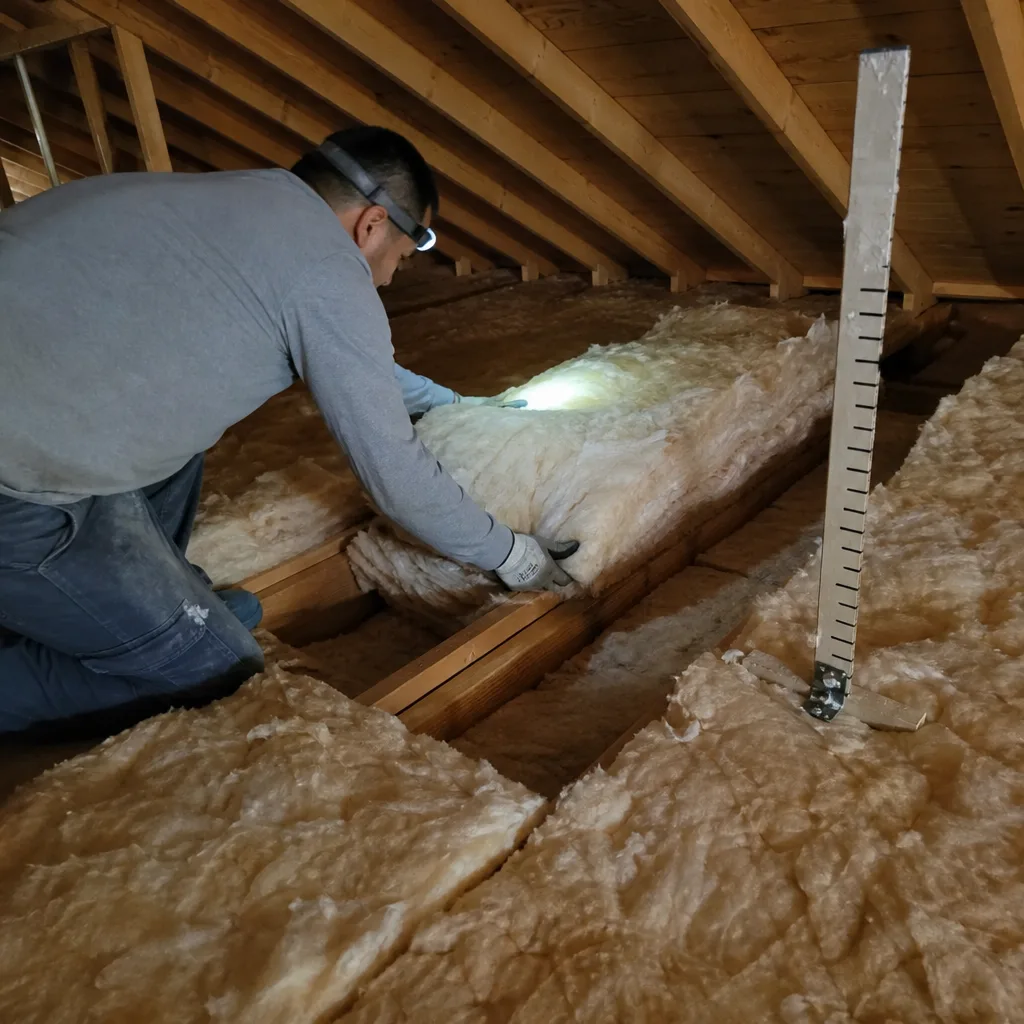
Blown-In Fiberglass
We install blown-in fiberglass for San Marcos properties where moisture resistance and long-term stability matter. The product doesn’t absorb water the way cellulose can, which matters in Flash Flood Alley when crawl spaces and lower attic assemblies take on moisture. We source from Johns Manville and Knauf, and we never blow fiberglass over an unsealed attic floor. Air sealing of top plates, can lights, and penetrations happens first. The blower-door test proves it worked.
For the new tract homes along the I-35 corridor, blown-in fiberglass is often the right upgrade from the minimum-code batts the builder installed. We’ve seen attics in 2022-built homes with R-30 batts where R-49 was needed for this climate zone. The fix is straightforward: seal, then blow.
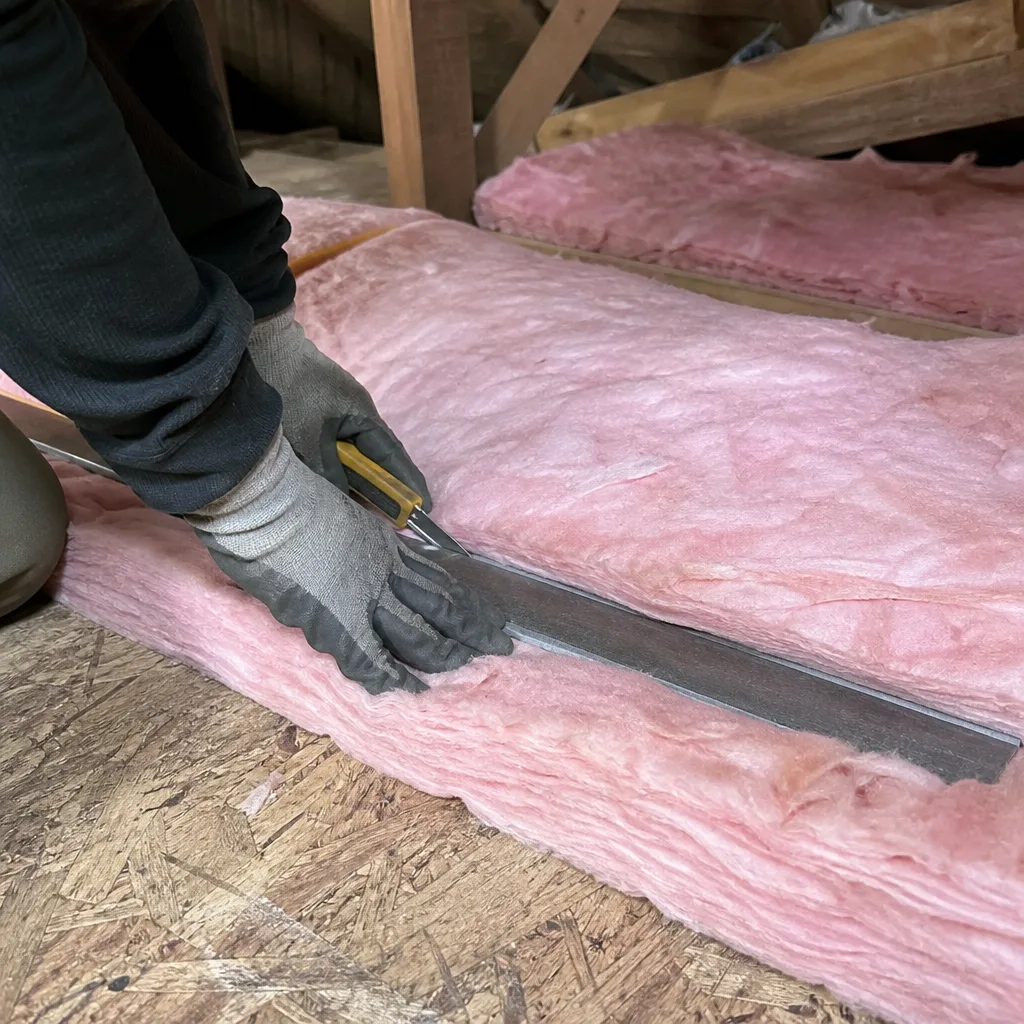
Blown-In Cellulose
Blown-in cellulose works well in San Marcos’s older owner-occupied stock, particularly the 1960s-1980s homes in the established neighborhoods between MLK Drive and Guadalupe Street. The material fills irregular cavities better than batts, and the treated cellulose resists pests - relevant in a river town with termite pressure. We use GreenFiber and CertainTeed products, and we always verify that the attic floor is sealed before we blow. Cellulose is less forgiving of moisture than fiberglass, so our pre-installation inspection includes checking for roof leaks, vent blockages, and signs of prior flooding.
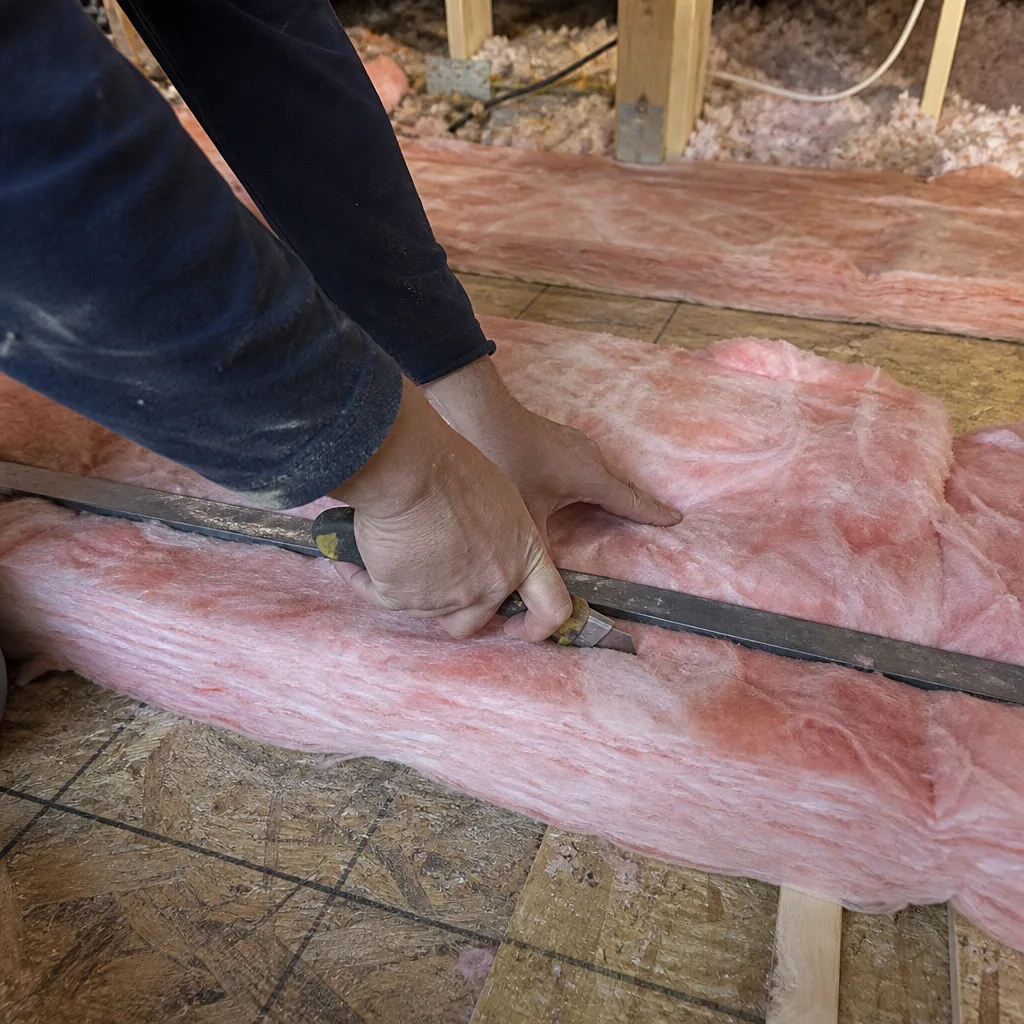
Blown-In Top-Up
This is our most common San Marcos service, and it’s not because homeowners are chasing energy trends. It’s because insulation has been removed or displaced and nobody noticed.
We were called to a 1980s two-story apartment building off Sessom Drive where tenants had complained of a hot upstairs bedroom; thermal imaging showed a large uncovered zone directly above the living space because the original blown-in fiberglass had been displaced during a rooftop HVAC replacement. We completed a Blown-In Fiberglass top-up using Johns Manville insulation, restoring coverage and immediately reducing the attic temperature differential. The property manager now schedules us for thermal scans during every HVAC changeout.
Blown-in top-ups in San Marcos run $1,200-$2,800 for typical residential attics, less for targeted zone repairs. We price by the square foot and the R-value we’re adding, with a written scope delivered before anyone lifts a tool.
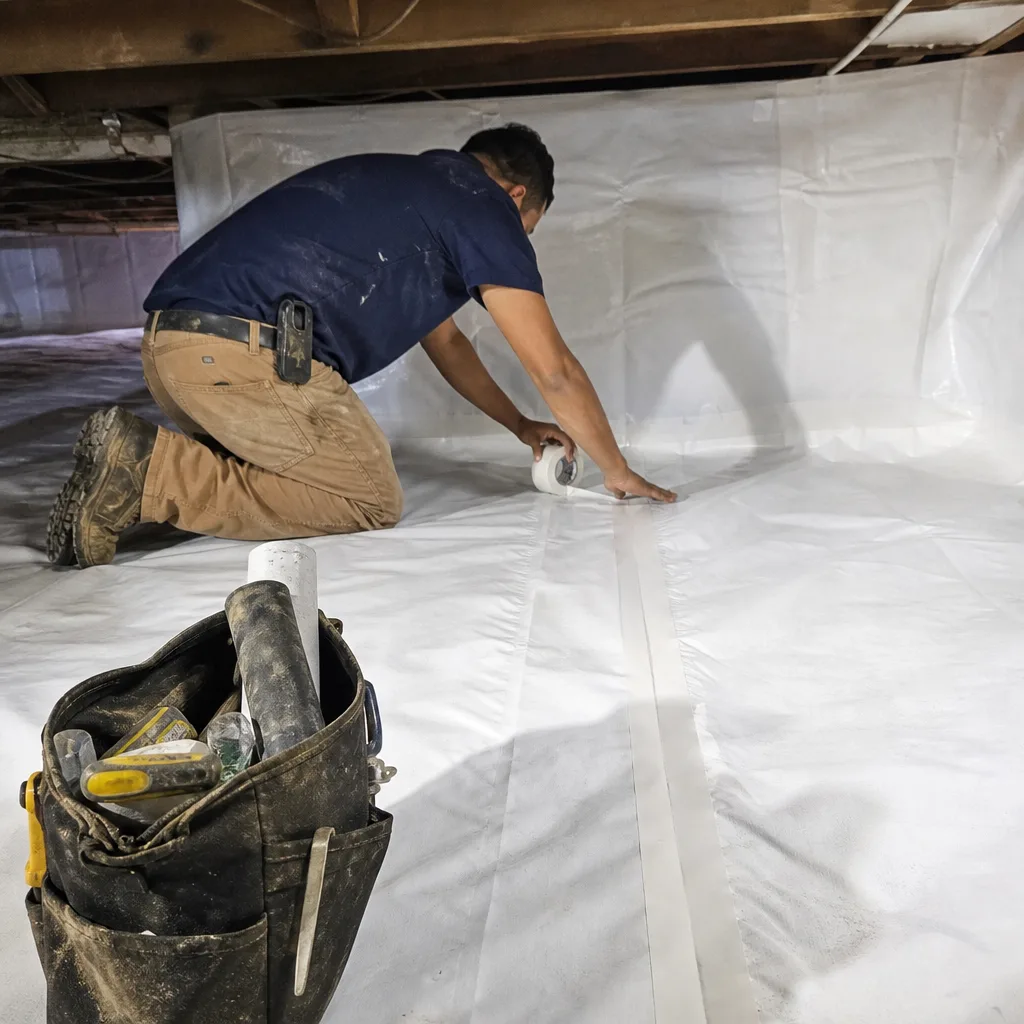
Dense-Pack Wall Insulation
Dense-pack wall insulation fills enclosed wall cavities with blown material at pressure, creating a continuous thermal barrier without removing drywall. In San Marcos, this matters for two housing types: the 1970s-1990s rental properties near TXST that were built with empty stud cavities or minimal batts, and the older homes in the historic district where gut renovations aren’t practical.
We dense-pack with cellulose or fiberglass depending on the wall condition and moisture exposure. The February 2021 Winter Storm Uri freeze hit Hays County hard, and we fielded calls from San Marcos homeowners who discovered their walls had almost no thermal protection. Dense-pack is the retrofit solution when you can’t open the walls. Typical range: $3.50-$6.00 per square foot of wall area, with a blower-door test before and after to verify the air-sealing improvement.
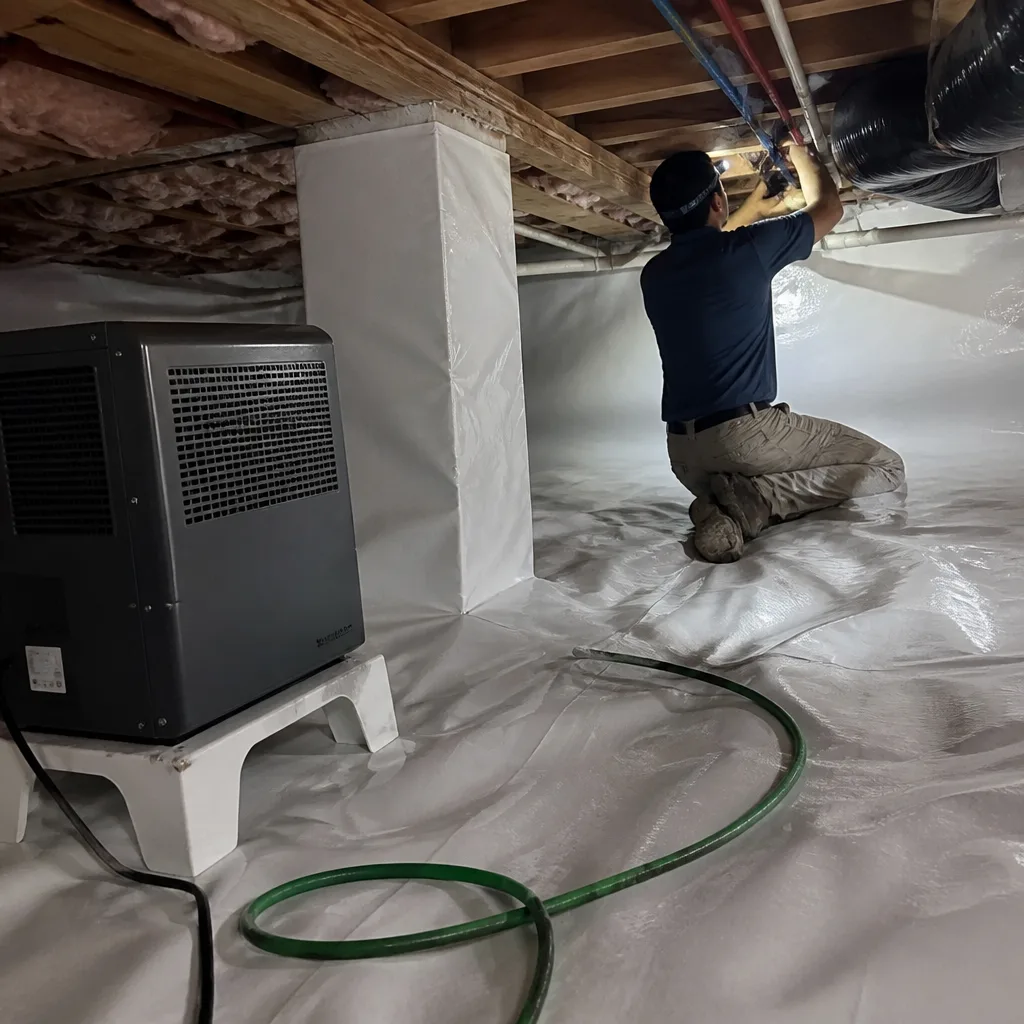
What happens when you call
- 1
A real person answersNo phone trees - you reach a local pro.
- 2
You get an upfront price rangeHonest numbers before anyone is dispatched.
- 3
A background-checked tech heads outLicensed & insured, dispatched right away.
- 4
You approve before work beginsNothing starts until you say go.
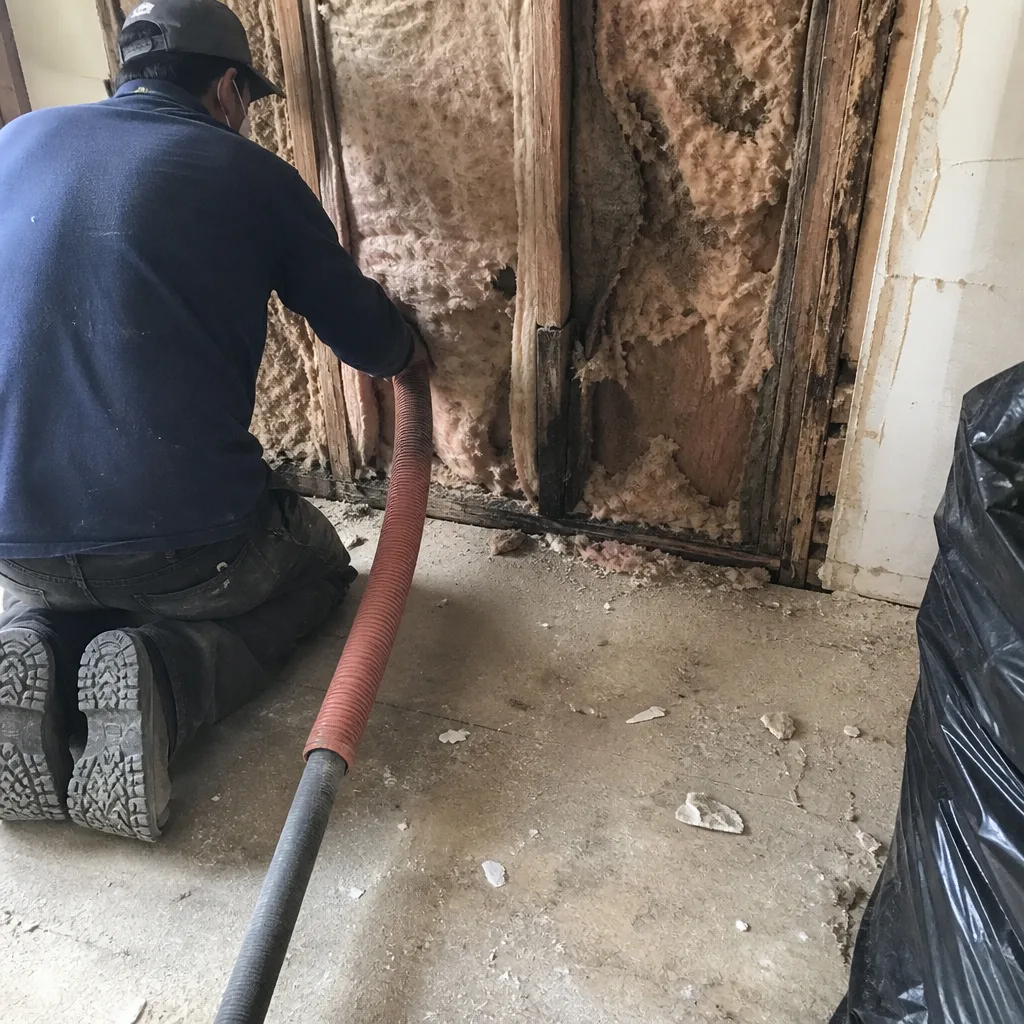 Before
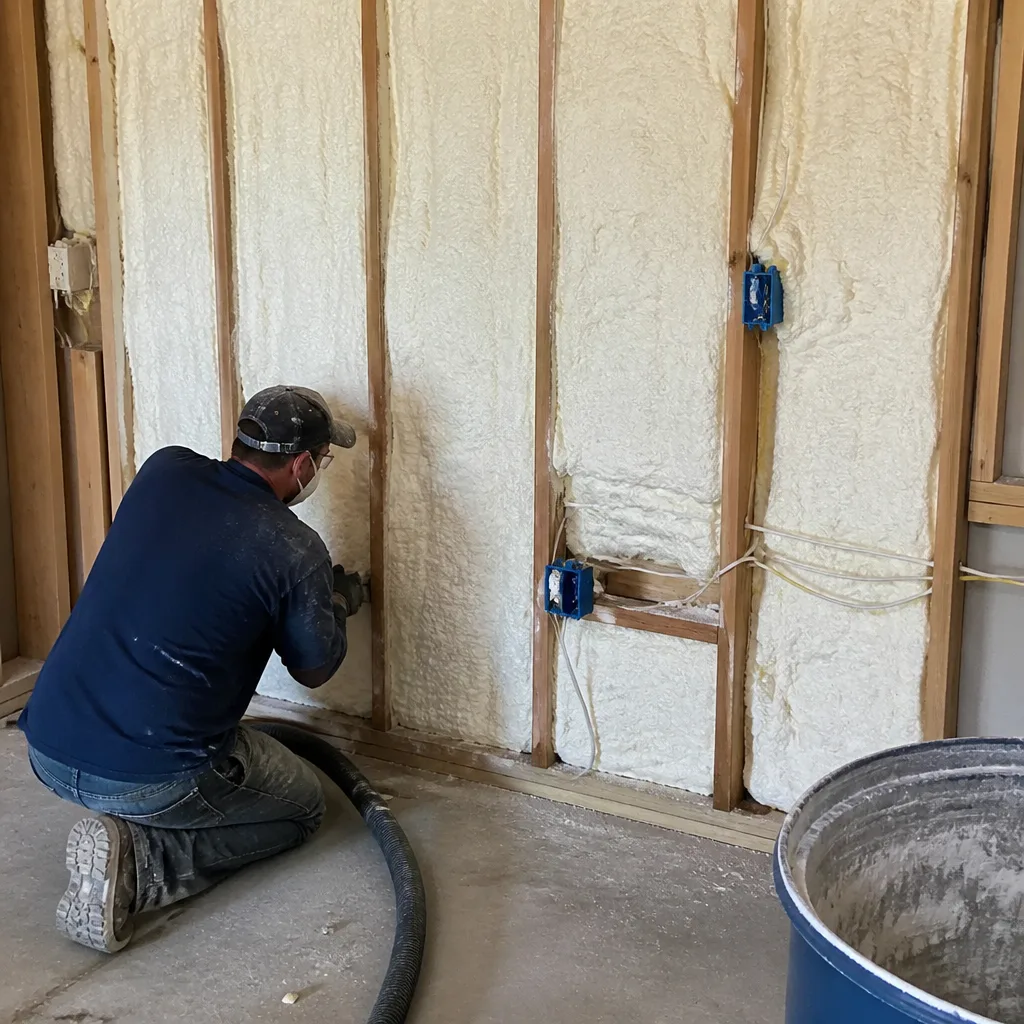 After
AfterTrusted Brands We Service in San Marcos
We stock and install Knauf, Rockwool, and CertainTeed blown-in products for San Marcos jobs, with no proprietary lock-in that limits your options. Knauf’s EcoFill fiberglass is our default for rental top-ups where we need predictable coverage and moisture tolerance. Rockwool’s stone wool handles the occasional high-heat application near chimneys or furnace flues in older San Marcos homes. CertainTeed’s InsulSafe SP works well for dense-pack wall cavities where we need the material to hold pressure without settling.
We don’t claim exclusive or preferred status with any manufacturer. We specify what performs for the building, then source it. Local inventory sits in our Austin warehouse, so most San Marcos jobs don’t wait on material delivery.
Common Blown-In Insulation Problems We See in San Marcos Homes
- HVAC displacement leaving bare zones. Rooftop HVAC replacements on the 1980s apartment buildings along Sessom Drive and Hopkins Street routinely displace original blown-in insulation, creating uncovered patches directly above living spaces. Tenants notice the hot room; landlords notice the July electric bill. Thermal imaging finds it in minutes.
- Flash Flood Alley moisture degradation. San Marcos’s position in Flash Flood Alley means crawl spaces and lower attic assemblies take on water during heavy rain events. Batt insulation absorbs that moisture, compresses, and loses R-value. We find sagging, stained insulation in homes near the San Marcos River and in low-lying pockets of the city.
- Settled and compressed fiberglass in aging rentals. The 1970s-1990s wood-frame homes and low-rise apartment complexes near the TXST campus were built with fiberglass batts that have settled, compressed, or been disturbed by decades of service calls. The result is severe heat gain, high cooling costs, and indoor temperatures that the AC can’t pull down regardless of runtime.
- Minimum-code new construction already behind. The tract homes going up along the I-35 growth corridor typically receive R-30 batts where this climate zone calls for R-49. Homeowners move in, run the AC hard through their first San Marcos summer, and call us in September when the upstairs won’t cool below 78°F.
Pricing for Blown-In Insulation in San Marcos, TX
Most blown-in insulation jobs in San Marcos run between these ranges:
| Service | Typical Range |
|---|---|
| Blown-In Fiberglass (attic, new installation) | $2.40-$3.50/sq ft |
| Blown-In Cellulose (attic, new installation) | $2.20-$3.20/sq ft |
| Blown-In Top-Up (adding R-value to existing) | $1.20-$2.00/sq ft |
| Dense-Pack Wall Insulation | $3.50-$6.00/sq ft of wall |
| Typical residential attic (1,200-2,400 sq ft) | $2,400-$5,800 total |
What moves you within these ranges: existing insulation condition and removal needs, attic accessibility (steep pitches and limited hatch access add labor), air sealing requirements before blowing, and the R-value target. A San Marcos rental property needing removal of water-damaged batts, full air sealing, and new blown-in to R-49 sits at the top of the range. A straightforward top-up over intact existing insulation sits lower.
Every job begins with a written price - flat, itemized, delivered before work starts. No “call for a quote.” Bring us a competing written estimate and we’ll read it with you; our Free Second Opinion is Haven Standard practice. Call (737) 337-8049 to schedule.
We Also Serve Cities Near San Marcos
Our crews run regular routes to San Marcos and the surrounding markets: Kyle to the north, Lockhart to the east, Buda to the northeast, and Austin itself. Each market has different housing stock and different insulation failure patterns, and we adjust our approach accordingly. The I-35 corridor from Austin through San Marcos to New Braunfels is our core service area.
Serving San Marcos, TX - Our Local Coverage Area
We’re based in the San Marcos area and know this community well. Use the map below to see our service coverage - if you’re nearby, we can almost certainly help.
FAQs - Blown-In Insulation in San Marcos
It fails because of repeated HVAC service traffic displacing the material, not because the product itself is defective. Rooftop unit replacements, duct repairs, and maintenance visits on 1980s-1990s apartment buildings near Sessom Drive and Hopkins Street leave insulation pushed aside or removed entirely, with no one restoring coverage afterward. We find bare patches above living spaces on thermal imaging calls at least twice monthly in this zone. Call (737) 337-8049 for a free thermal scan if you manage rental stock near campus.
Schedule a thermal imaging inspection before the next cooling season hits hard. Disturbed blown-in insulation creates uncovered zones where attic heat radiates directly into conditioned space; your AC runs longer, your bills spike, and you may not connect the problem to the HVAC visit six months ago. We document the gaps with photos, price a targeted top-up with a written scope, and typically complete the work same-day. Estimates are free.
San Marcos’s position at the Balcones Escarpment creates sharper humidity swings than Austin’s more buffered interior, and the Flash Flood Alley exposure means moisture infiltration events are more frequent than in drier New Braunfels to the south. Blown-in fiberglass handles this better than cellulose in flood-prone assemblies, but both materials need proper air sealing underneath to prevent humid attic air from reaching the insulation surface. We test with a blower door before we blow, so we know the assembly will perform.
Indirectly, yes. A properly sealed and insulated attic assembly reduces pressure differentials between conditioned space and attic during high-wind events, which lessens the load on ceiling drywall and reduces moisture intrusion points where wind-driven rain can enter. After the 2021 freeze and subsequent severe weather cycles, we’ve seen San Marcos homes with intact, well-sealed attic insulation suffer less secondary damage than homes with degraded or missing coverage. The primary storm resilience comes from roof and window systems, but the building envelope matters.
We install Knauf, Rockwool, and CertainTeed blown-in products, sourced from our Austin warehouse inventory for fast turnaround. Knauf EcoFill is our standard for San Marcos rental top-ups where moisture tolerance matters. Rockwool handles high-heat applications near flues. CertainTeed InsulSafe SP goes into dense-pack wall cavities. We don’t push proprietary products or claim exclusive status with any manufacturer. The building’s condition and your performance goals determine what we specify. Call (737) 337-8049 to walk through the options.
Written by Wes Okafor, Owner at Topside Attic Insulation San Marcos, serving San Marcos and the I-35 corridor since 2016 under The Haven Standard.