

How Much Does Attic Insulation Cost in San Marcos, TX?
Attic Insulation Near Me in San Marcos, TX typically runs between $1,800 and $4,200 for a standard single-story home, with most jobs falling around $2,400 to $3,100 once air sealing is included. The exact number depends on your attic square footage, the insulation type you choose, how much existing material needs to come out first, and whether the attic floor has been air-sealed before insulation is added – which, in our experience since 2016, it usually has not.
At Envelope Insulation Co., every job starts with a written price before any work begins. That’s not a policy we occasionally follow – it’s Haven Standard Clause 1, and it applies to every San Marcos home we touch.
Attic Insulation Cost Breakdown – San Marcos, TX (2026)
The table below reflects what San Marcos homeowners are actually paying in 2026, based on the jobs we document in Hays County. These are not national averages pulled from a content database. The Hill Country climate – long summers, high solar gain, occasional freeze events like the ones that caught so many homes unprepared in recent winters – pushes insulation needs here in specific directions, and the prices reflect that.
| Service | Typical San Marcos Price Range | Notes |
|---|---|---|
| Blown-in fiberglass (attic only, existing home) | $1,200 – $2,100 | Assumes accessible attic, no removal needed, R-38 target |
| Blown-in cellulose (attic only, existing home) | $1,100 – $1,900 | Slightly lower material cost; performs well in San Marcos heat |
| Attic air sealing (top plates, can lights, penetrations) | $500 – $1,100 | Should always precede insulation; priced separately so you can see what you’re paying for |
| Air sealing + blown-in insulation (combined) | $1,800 – $3,200 | The most common full-scope job in San Marcos homes built 1990-2015 |
| Spray foam (open-cell, roof deck / hot attic conversion) | $3,200 – $6,500 | Creates a conditioned attic space; common for HVAC equipment in the attic |
| Spray foam (closed-cell, roof deck) | $4,500 – $8,500 | Higher R-value per inch; used where moisture control is a priority |
| Radiant barrier installation | $800 – $1,600 | Reduces radiant heat gain through the roof deck; effective in San Marcos summers |
| Old insulation removal | $600 – $1,800 | Necessary when existing material is wet, pest-damaged, or mold-affected |
| Insulation removal + air sealing + re-insulation | $2,800 – $5,200 | Full attic reset; often the right call in San Marcos homes built before 2000 |
What Pushes the Price Up or Down
The single biggest variable is whether attic air sealing is in the scope. We have not found a San Marcos attic built before 2020 that didn’t have meaningful air leakage at the top plates, around recessed can lights, and at plumbing and electrical penetrations. Blowing insulation over those openings without sealing them first makes the insulation thicker without making the home tighter – you’re essentially buffering conditioned air as it escapes rather than stopping it from escaping. That’s why we treat air sealing as a hard prerequisite at Envelope Insulation Co., not an optional line item.
Second biggest variable: removal. If the existing insulation is wet from a roof leak, contaminated from pest activity (a real issue in San Marcos neighborhoods near the Blanco River corridor and the wooded areas around Hunter Road), or just severely degraded, it comes out before anything goes in. Skipping Attic Insulation Replacement to save money on the front end routinely costs homeowners more two or three years later.
Beyond those two, attic access matters. A standard pull-down ladder in a garage takes about three minutes to set up. A hatch tucked into a closet shelf with two feet of clearance adds time and complexity to every bag of material we move through it. Attic configuration – low slopes, cross-gables, split levels – also affects labor. Homes in the older sections of San Marcos near the square tend to have tighter, more complex attic geometries than the newer construction off Wonder World Drive or in the Kissing Tree development.
What Affects Attic Insulation Pricing in San Marcos
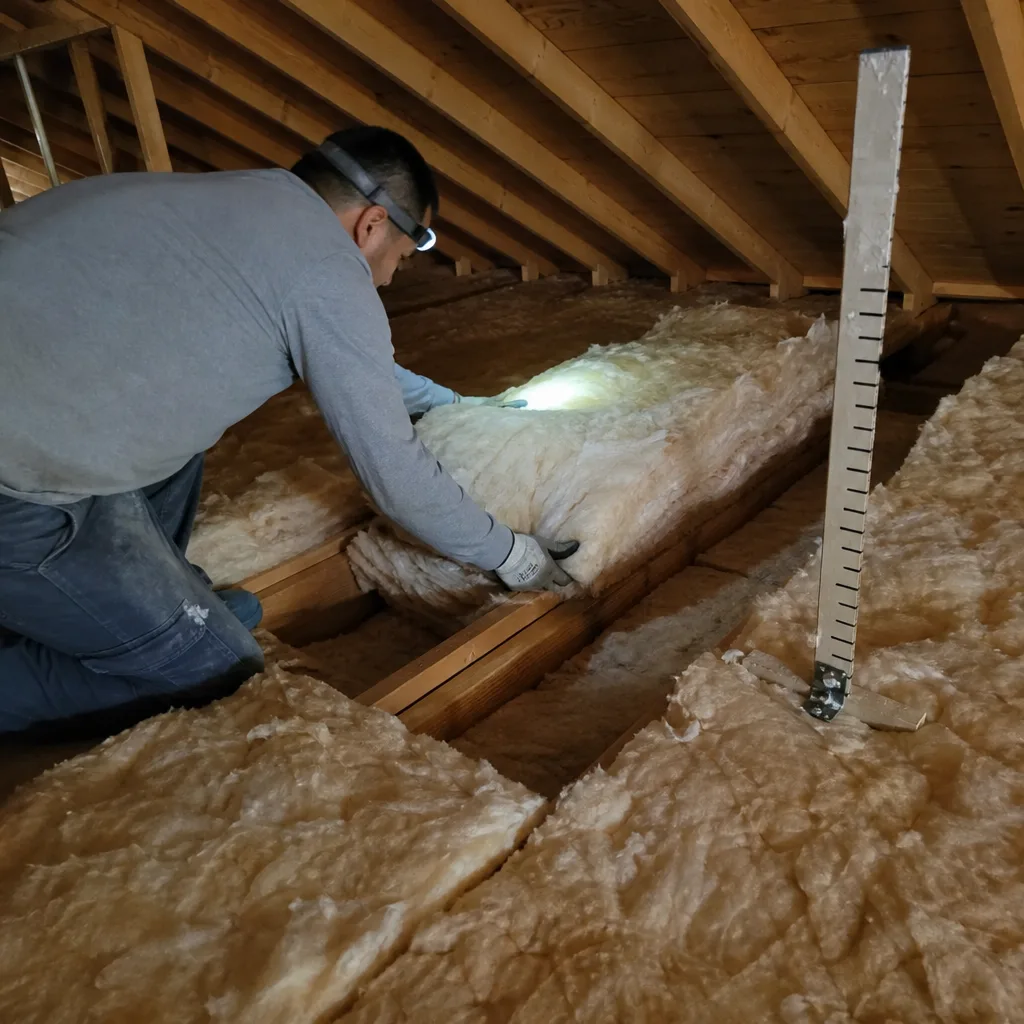
- Attic square footage: Most San Marcos homes run 900 to 1,800 square feet of attic floor space. At R-38, a 1,200-square-foot attic takes roughly 35-40 bags of blown-in fiberglass. Larger homes scale linearly on material; labor scales more slowly because setup time is the same regardless of size.
- Current R-value and what’s already there: Texas IECC code calls for R-49 in new construction attics in Climate Zone 2, which covers most of Hays County. Most San Marcos homes built before 2010 are sitting at R-19 to R-30, sometimes less. The gap between what’s there and what’s needed determines how much material goes in.
- Insulation type chosen: Blown-in fiberglass (Owens Corning, Johns Manville, CertainTeed) and blown-in cellulose (GreenFiber, Knauf) are the most common and cost-effective choices for attic floor applications in San Marcos. Open-cell spray foam (Icynene, Demilec) costs roughly two to three times more per square foot but creates a fully conditioned attic space, which can make sense when HVAC equipment or ductwork lives in the attic rather than in a conditioned zone.
- Existing insulation removal: Jobs requiring vacuum removal of old batt insulation or degraded blown-in material add $600-$1,800 depending on volume and condition. In San Marcos neighborhoods with older housing stock – North LBJ, Dunbar, and the blocks around Sessom Drive – damaged or contaminated insulation is common enough that we budget for removal as a realistic possibility, not an edge case.
- Air sealing scope: A straightforward attic with few penetrations and standard can lights takes less sealing time than an attic with multiple HVAC chases, older pre-IC-rated recessed fixtures, and a tangle of old electrical runs. The blower-door test – a pressurization reading that shows, in one number, how much air your building envelope is losing – tells us exactly how tight the attic is before and after, so the scope is documented rather than estimated by feel.
- Radiant barrier pairing: San Marcos sits squarely in a region where roof deck temperatures regularly hit 150°F or more in summer. Adding a radiant barrier – a reflective foil layer that reduces radiant heat transfer from the roof deck into the attic space – alongside blown-in insulation is one of the most cost-effective combinations available here. The two together cost less than spray foam and address both the conductive and radiant heat paths.
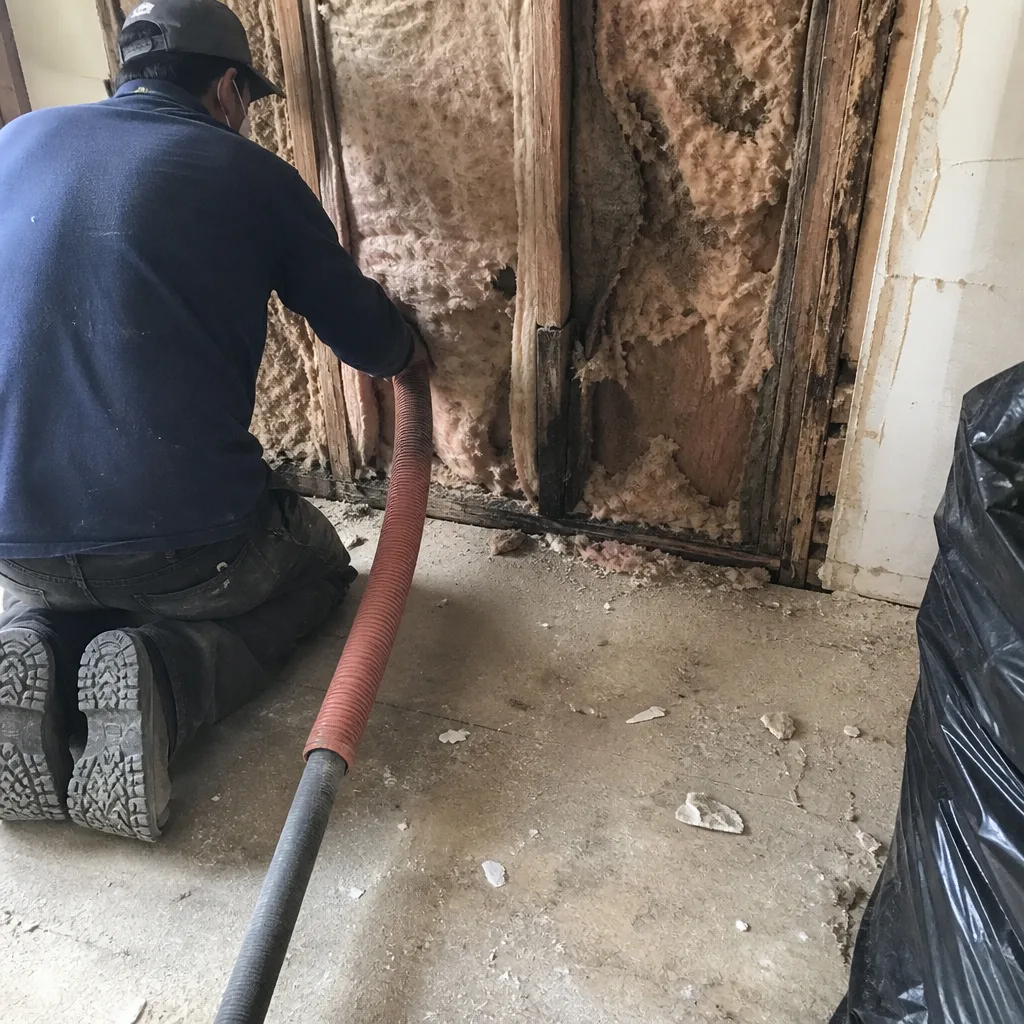 Before
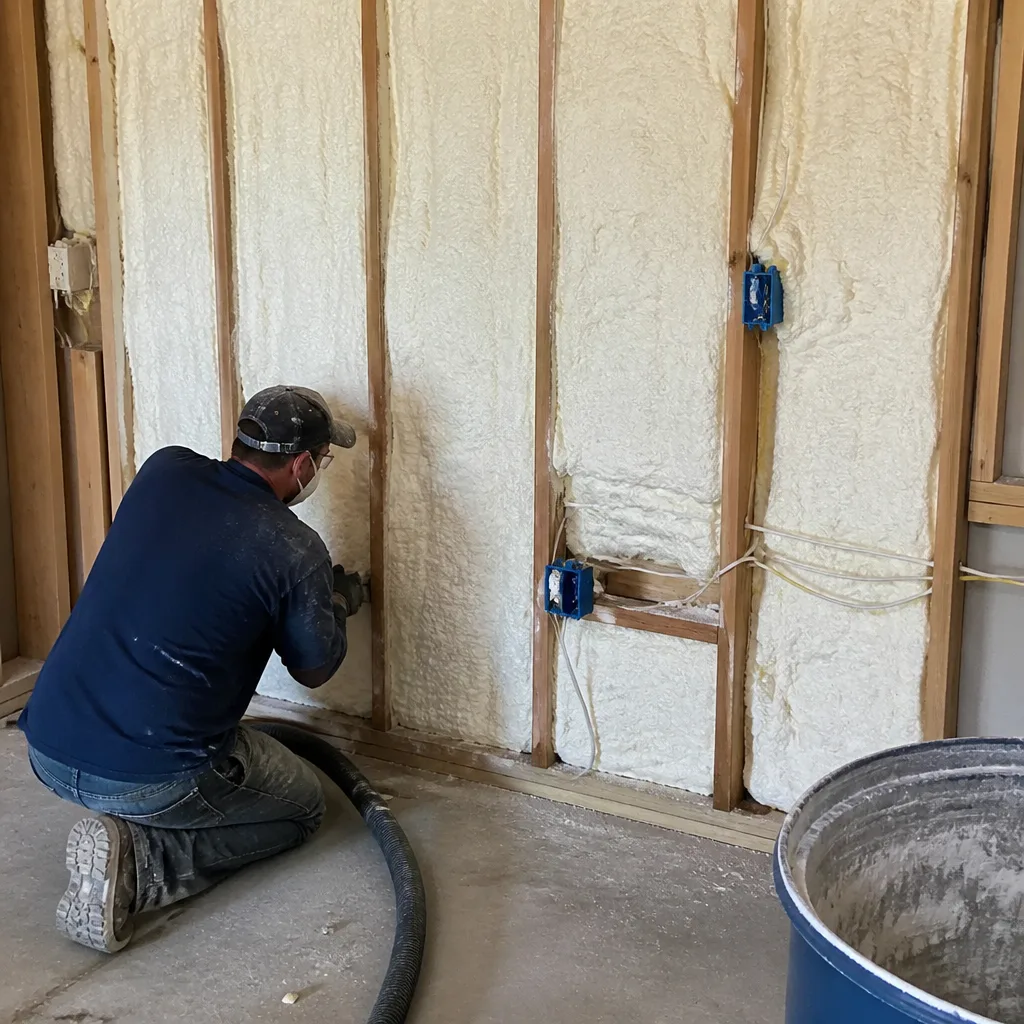 After
AfterSan Marcos vs. Nearby Markets: Does Location Affect Cost?
Insulation pricing in the San Marcos area runs slightly lower than in Austin proper, where labor and overhead costs are higher, and comparable to New Braunfels and Kyle. Buda and Kyle, which share Hays County with San Marcos, tend to have newer housing stock with fewer removal jobs and more straightforward attic geometries, which can mean slightly lower average tickets. San Marcos has a wider range of home ages – everything from 1950s bungalows near downtown to 2022 subdivisions off Centerpoint Road – which means the jobs here vary more than they do in newer-growth cities.
If you’ve gotten a written estimate from another contractor and want a second read on it, Wes Okafor and the team at Envelope Insulation Co. offer a free second opinion on any written estimate. We’ll go through it line by line and tell you what the scope includes, what it doesn’t, and what questions to ask before you sign anything.
Permits and Code Requirements in San Marcos
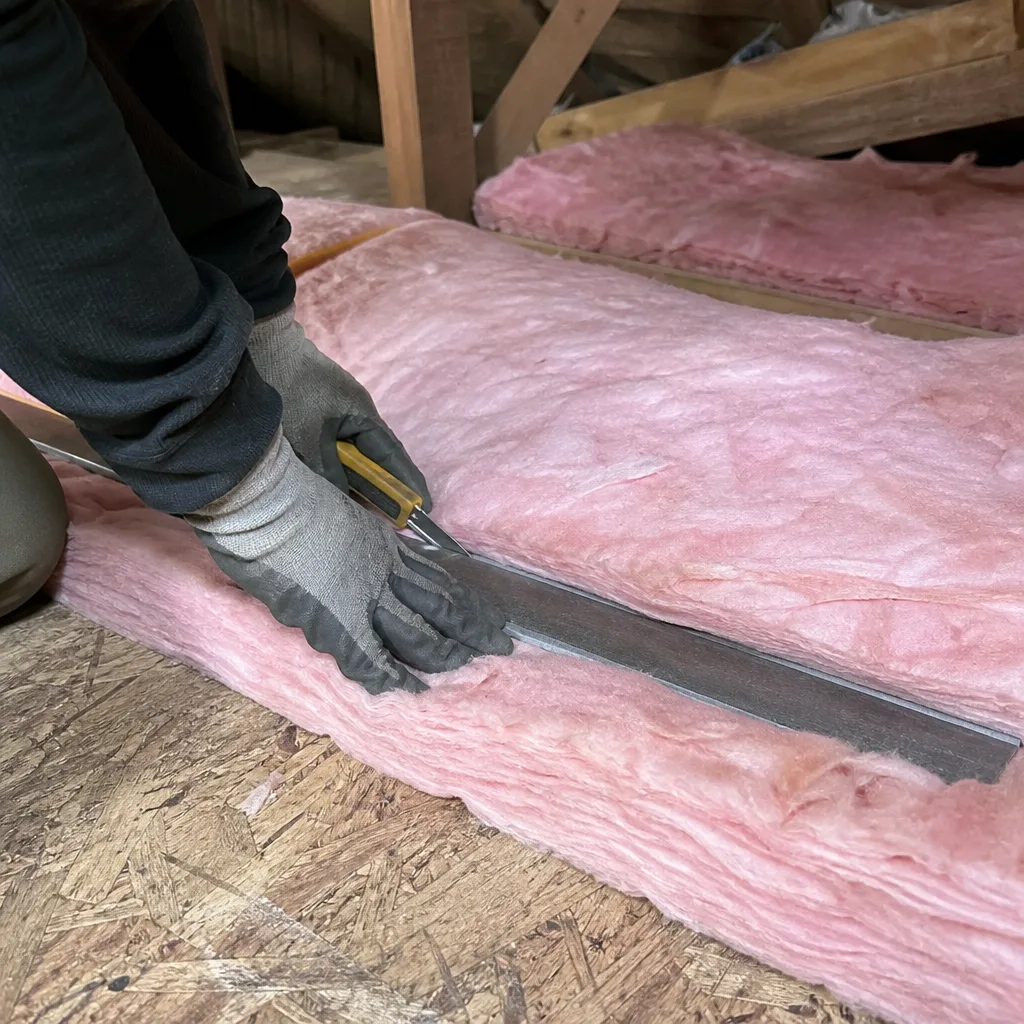
In San Marcos, insulation work on existing homes generally does not require a separate insulation permit when you’re adding blown-in material to an attic – but any work that includes spray foam application to a roof deck, or that’s bundled with HVAC changes, may trigger a building permit requirement through the City of San Marcos Development Services. If you’re in an unincorporated Hays County area just outside city limits, the rules differ slightly. We handle permit questions on a job-by-job basis and will tell you upfront, in writing, if a permit is part of the scope.
Texas IECC Climate Zone 2 requirements call for R-49 minimum in new attic insulation. For existing homes, local enforcement varies, but R-49 is the right target to build toward if you’re doing the job once and doing it correctly.
How to Save on Attic Insulation in San Marcos
Get the Scope Right Before You Agree to Anything
The most expensive attic insulation job isn’t the one with the highest upfront price – it’s the one that skips air sealing and leaves you with the same energy bills and the same duct sweating two summers later. Before you sign a quote, ask specifically whether attic air sealing is included and whether a blower-door test will document the result. If the answer is “we can add that,” the quote you’re looking at is incomplete.
Stack Rebates Against the Project Cost
The federal 25C energy efficiency tax credit covers 30% of the cost of qualifying insulation and air sealing work, up to $1,200 per year. This is not a rebate check – it’s a direct credit against your federal tax liability. For a $2,800 combined air-sealing and insulation job, that’s up to $840 back at tax time if you owe at least that much. CPS Energy (which doesn’t serve San Marcos directly) and Pedernales Electric Cooperative rebate programs vary by account type – confirm current program terms with your utility before counting on any specific number.
Combine Attic Work with a Home Energy Audit
A home energy audit – which includes a blower-door test, thermal imaging, and a room-by-room pressure analysis – typically runs $250-$450 as a standalone service. When bundled with an insulation project, the audit data informs exactly where to prioritize air sealing, which means you’re not paying to seal penetrations that aren’t actually causing losses. For larger San Marcos homes in the 2,500+ square foot range, that targeting can meaningfully reduce the air-sealing labor hours in the scope.
Don’t Postpone Based on Season
Some homeowners wait until fall to schedule attic work on the theory that it’s more comfortable for the crew and that energy savings will be felt faster as heating season arrives. In San Marcos, where cooling loads run nine-plus months a year, there’s no off-season for the heat gain problem. A job completed in March pays back from April through November, not just December through February. Timing the project to your schedule rather than a seasonal window is the right call here.
Use the Free Estimate – and Read the Written Scope
Envelope Insulation Co. provides our Attic Insulation services with free estimates for San Marcos homeowners, always in writing, always before any work starts. That’s Haven Standard Clause 1 – flat price, written scope, written warranty before anyone lifts a tool. Call (737) 337-8049 to schedule. The estimate visit is also when we measure the attic, assess current insulation levels, and identify any air-sealing needs – so you come away from the estimate with real information about your specific home, not a generic ballpark.
Before-and-After: What the Numbers Actually Look Like
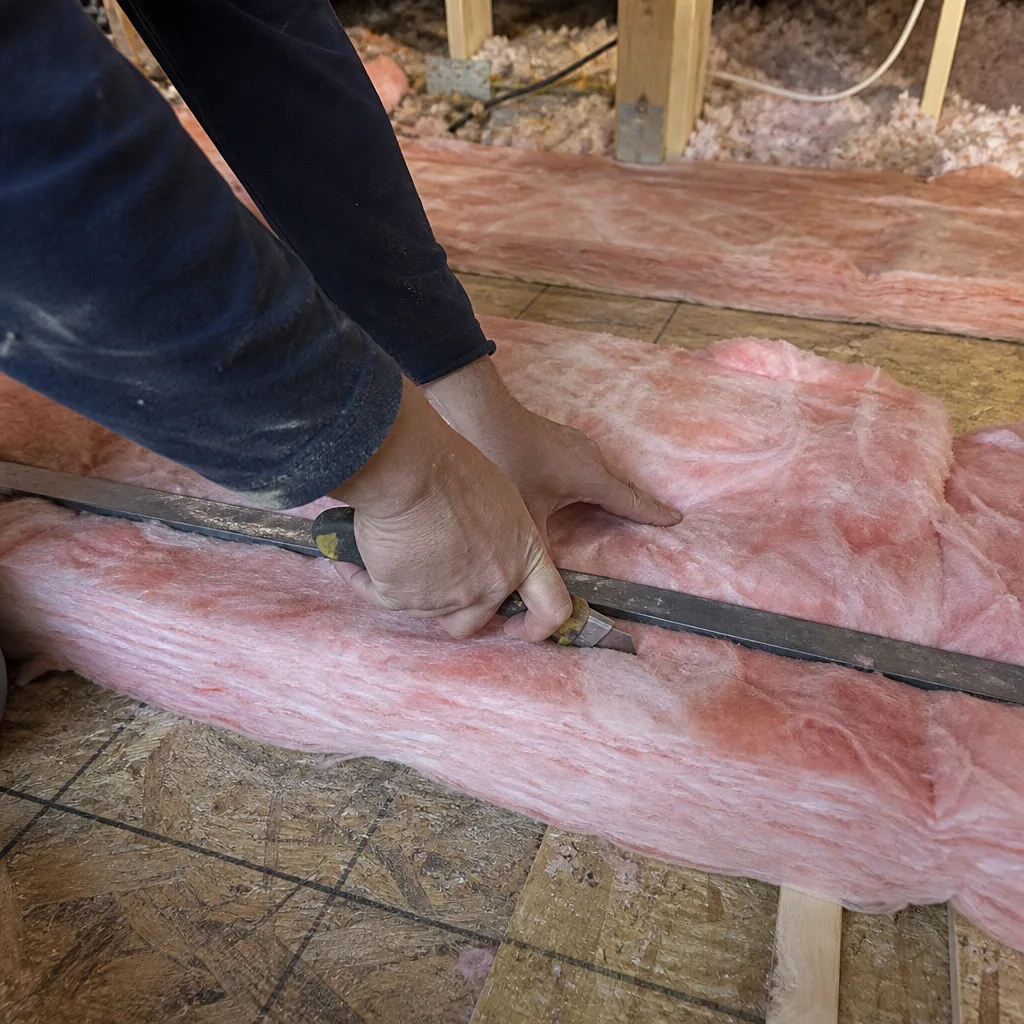
In the Blanco Gardens area, we regularly see blower-door readings above 4,500 CFM50 – cubic feet per minute at 50 pascals of pressure, the standard measurement for building airtightness – in homes that haven’t had any air sealing work. After completing attic floor air sealing and blown-in insulation to R-49, those same homes typically test in the 2,200-2,800 CFM50 range. That’s roughly a 40% reduction in air leakage, and it shows up in cooling bills before and after the summer it was done.
We publish before-and-after blower-door numbers on every applicable job. You don’t have to take our word for how much tighter your home is – the numbers are in the documentation you receive when the crew leaves. That’s what Wes Okafor built the documentation process around when Envelope Insulation Co. started operating under The Haven Standard in 2016, and it’s how we’ve completed Attic Insulation in San Marcos across more than 9,000 homes since then.
Frequently Asked Questions – Attic Insulation Cost in San Marcos
How much does attic insulation cost in San Marcos, TX in 2026?
Most San Marcos attic insulation jobs run between $1,800 and $4,200, with the most common combined air-sealing and blown-in insulation scope falling in the $2,400-$3,100 range for a typical 1,400-1,800 square foot single-story home. Jobs requiring old insulation removal, spray foam application to the roof deck, or unusually complex attic geometry can run higher. Call (737) 337-8049 for a free written estimate specific to your home – we measure and price on-site, not by square footage formula.
Is it cheaper to add insulation on top of existing insulation or remove and replace?
Attic Insulation Top-Up costs less upfront – typically $1,100-$2,100 versus $2,800-$5,200 for a full removal and reinstall. But adding on top is only the right call if the existing material is dry, pest-free, and in decent condition. Wet, compacted, or pest-contaminated insulation should come out. Blowing new material over a compromised base doesn’t restore R-value effectively and can trap moisture. We assess condition during the estimate visit and tell you plainly which path makes sense for your specific attic, and why.
Does attic insulation actually lower energy bills in San Marcos?
Yes, and the reduction is measurable. Homes in San Marcos that start with R-19 or less in the attic and receive both air sealing and insulation to R-49 typically see summer cooling load reductions in the 20-35% range, depending on duct condition and other envelope factors. The blower-door test we run before and after the air-sealing phase shows the airtightness change in a single number, so you’re not relying on our word for it – it’s in the documentation you receive. The payback period on a combined air-sealing and insulation project in this climate is commonly four to seven years, sometimes shorter when utility rates are high.
Does adding attic insulation require a permit in San Marcos?
Adding blown-in insulation to an existing attic in San Marcos typically does not require a separate permit when the work is insulation-only. Spray foam roof-deck applications and work bundled with HVAC or electrical changes may require a permit through the City of San Marcos Development Services. Homes in unincorporated Hays County follow county building rules rather than city code. We handle this question during the estimate visit and note any permit requirements in the written scope – you know before work starts what’s required, not after.
How long does attic insulation installation take in San Marcos?
A straight blown-in insulation job on a 1,200-1,500 square foot attic typically takes four to six hours from setup to cleanup. When air sealing is included in the scope – which it should be – add two to four hours depending on the number of penetrations, can lights, and HVAC chases in the attic. Full removal and reinstall jobs run six to ten hours. Most jobs are completed in a single visit. We give you a named technician and a text when they’re on the way, so you’re not blocking a window of your day waiting for an unmarked van – that’s part of how the Haven Standard works in practice.
What insulation R-value do I need in San Marcos?
Texas IECC Climate Zone 2 requires R-49 for attic insulation in new construction, and that’s the right target for existing homes as well. Most San Marcos homes built before 2010 are at R-19 to R-30 – significantly below the current standard. Getting to R-49 in a home that started at R-19 requires adding roughly R-30 of new material, which translates to about 8-10 inches of blown-in fiberglass or cellulose on top of existing insulation (assuming the existing material is sound). We measure current R-value during the estimate visit and document it in the written scope so you know exactly where you’re starting from.
Key Takeaways
- Most San Marcos attic insulation jobs run $1,800-$4,200, with combined air sealing and blown-in insulation averaging $2,400-$3,100 for a typical home.
- Air sealing should always come before insulation. Skipping it reduces the effectiveness of the insulation and leaves the airtightness problem unsolved.
- The federal 25C tax credit covers 30% of qualifying insulation costs, up to $1,200 per year – worth factoring into your total cost calculation.
- Texas IECC Climate Zone 2 targets R-49 for attic insulation. Most pre-2010 San Marcos homes are well below that.
- Before-and-after blower-door readings are included on every applicable Envelope Insulation Co. job – you receive documentation of the airtightness change, not just a completed invoice.
- Every job starts with a written price. No work starts without it. That’s Haven Standard Clause 1, and it applies to every San Marcos home we work in.
Get a Written Estimate for Your San Marcos Home
If you want to know exactly what attic insulation will cost for your specific home – not a range pulled from a national database, but a flat written price based on your attic’s actual square footage, current R-value, and air-sealing needs – call (737) 337-8049. Wes Okafor and the Envelope Insulation Co. team offer free estimates for San Marcos homeowners, and every estimate comes in writing before any work starts. We also offer a free second opinion if you already have a written quote from another contractor and want a second set of eyes on what it actually includes.
You can also learn more about what the full scope of work involves on our home page, or go straight to the service details for your area.
The 365-Day Done Right Promise applies to every completed job: if it’s not done right, we make it right. That commitment is in writing before anyone starts, and it’s backed by the documented record we leave with you when the crew leaves your San Marcos home.
Written by Wes Okafor, Owner at Envelope Insulation Co. (operating as Topside Attic Insulation San Marcos), serving San Marcos, TX since 2016. Pricing reflects the San Marcos market as of 2026. Topside Attic Insulation San Marcos offers free estimates – call (737) 337-8049.
What Our Customers Say
"They photographed rodent damage in the old insulation that we had no idea about, and priced the exclusion work separately so we could decide."
- Harriet N."Turned up on time, protected the hallway, and the written scope matched what was actually done."
- Bruno S."They air-sealed the attic floor before insulating and showed me the blower-door number before and after. The upstairs is finally the same temperature as downstairs."
- Marisol D.