
Rockwool Crawl Space Encapsulation & Vapor Barrier in San Marcos: What to Know First
We provide independent Rockwool crawl space encapsulation and vapor barrier service in San Marcos, with most jobs scheduled within 48 hours and completed in one day. Crawl space encapsulation with a proper vapor barrier typically runs $2,800-$5,200 for Rockwool-insulated homes in this market, depending on crawl space square footage and whether the existing Rockwool ComfortBatt or ComfortBoard needs removal first. We start every job with a written price before any work starts - no exceptions - and close it with a Documented Photo Record and, where applicable, before-and-after blower-door numbers.
This page is for San Marcos homeowners who found Rockwool insulation in their crawl space and need to know whether it can stay, what moisture is doing to it, and what fixing it actually costs. Call (737) 337-8049 to schedule a free estimate or a free second opinion on any written quote you’ve already received.
How Rockwool Products Fail - and How We Fix Them
- ComfortBatt R-30 sagging between joists in vented crawl spaces. Rockwool ComfortBatt is a stone wool batt - mineral fibers spun from basalt - that holds moisture without collapsing like fiberglass, but that same density makes it heavy when damp. In San Marcos, where spring humidity spikes above 75% and crawl spaces near the Blanco River corridor sit close to the water table, we’ve pulled saturated ComfortBatt that gained 40% of its dry weight. We remove the compromised batt, install a 6-mil or thicker polyethylene vapor barrier sealed at seams and piers, then replace with Rockwool ComfortBoard IS if rigid insulation is specified, or switch to a closed-cell spray foam if the homeowner wants to eliminate the vapor drive entirely.
- ComfortBoard IS delaminating from foundation walls. ComfortBoard IS is the rigid board version, mechanically fastened or adhesively applied. The failure we see in San Marcos isn’t the board itself - it’s the adhesive failing where foundation walls weep calcium deposits from the Edwards Aquifer limestone substrate. The board tilts, gaps open, and conditioned air leaks around it. We strip the old board, grind the wall surface, apply a masonry-compatible adhesive rated for the pH range we test on site, and re-secure with supplemental fasteners at 16 inches on center. The vapor barrier goes wall-to-wall, not just floor.
- Rockwool left in contact with earth floors without ground cover. Some San Marcos homes built in the 2015-2019 window had Rockwool installed directly over bare soil or thin plastic that shredded within two years. The stone wool doesn’t mold like cellulose, but it wicks moisture upward and holds it against wood joists. We’ve found joist pockets reading 22% moisture content - the threshold for fungal growth - in homes near the Texas State University corridor where the crawl space “looked dry.” We remove all Rockwool in ground contact, install a sealed vapor barrier with perimeter fastening to walls, then reinstall only above the barrier line.
- ComfortBatt compressed by improper storage before installation. Rockwool specifies 4.5 inches for an R-30 batt; we’ve measured 3.2 inches in San Marcos crawl spaces where the original contractor stored bales in a damp garage for weeks before install. Compressed stone wool loses R-value permanently - it doesn’t rebound. We pull and measure every batt during our assessment. If compression exceeds 15%, we source fresh material, stored flat and dry, and install only what passes a thickness check. The R-value tells you how slow heat moves through the material - the blower-door number tells you whether any of that matters.
- Missing air sealing at rim joists behind Rockwool. Rockwool is often stuffed into rim joist cavities as the sole air barrier. Stone wool is not an air barrier - it’s an air-permeable insulation. In San Marcos homes with slab-on-grade construction and raised additions, we regularly find 150+ CFM50 of leakage at rim joists where ComfortBatt was the only treatment. We pull the batt, seal the rim joist with closed-cell spray foam or gasketed rigid board, then reinstall Rockwool as thermal insulation only, not as the primary air seal.
Our Rockwool Crawl Space Encapsulation & Vapor Barrier Process
- 1
Call and schedule. A live person answers 24/7. We book a 2-hour arrival window and text when the technician is en route.
- 2
On-site assessment with documentation. We photograph the existing Rockwool installation, measure moisture content in joists and insulation with a pin meter, and run a blower-door test if the crawl space connects to conditioned space - a pressurization reading that shows, in one number, how much air the building envelope is losing. We note the Rockwool series, batch markings, and installation date if visible.
- 3
Written scope and price. Before any work starts, you receive a flat price, written scope, and written warranty. This is Haven Standard Clause 1. No work begins without your signature.
- 4
Removal and preparation. We bag compromised Rockwool in 6-mil contractor bags, HEPA-vacuum the cavity, and treat any joist mold with an EPA-registered cleaner. We grind wall surfaces where ComfortBoard IS will be reinstalled.
- 5
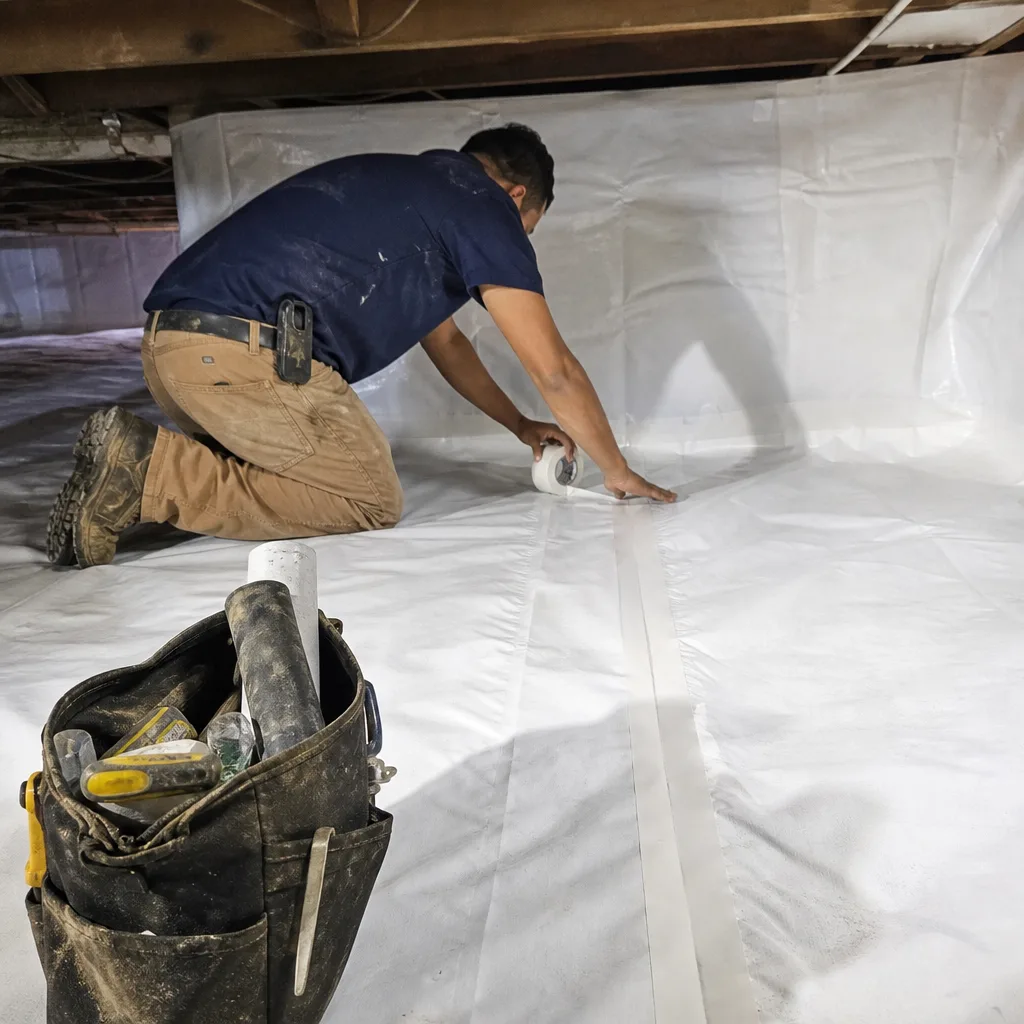
Vapor barrier installation and insulation replacement. We install a 6-mil or 12-mil reinforced polyethylene vapor barrier, sealed at all seams with pressure-sensitive tape and mechanically fastened to walls and piers. New Rockwool or alternative insulation goes in only after the barrier is complete. We also service Reflectix and other brands if the homeowner prefers a material switch.
- 6
Testing, documentation, and closeout. We run a post-work blower-door test where applicable, photograph every completed detail, and deliver a single printed page with before-and-after numbers. The 365-Day Done Right Promise applies from this date.
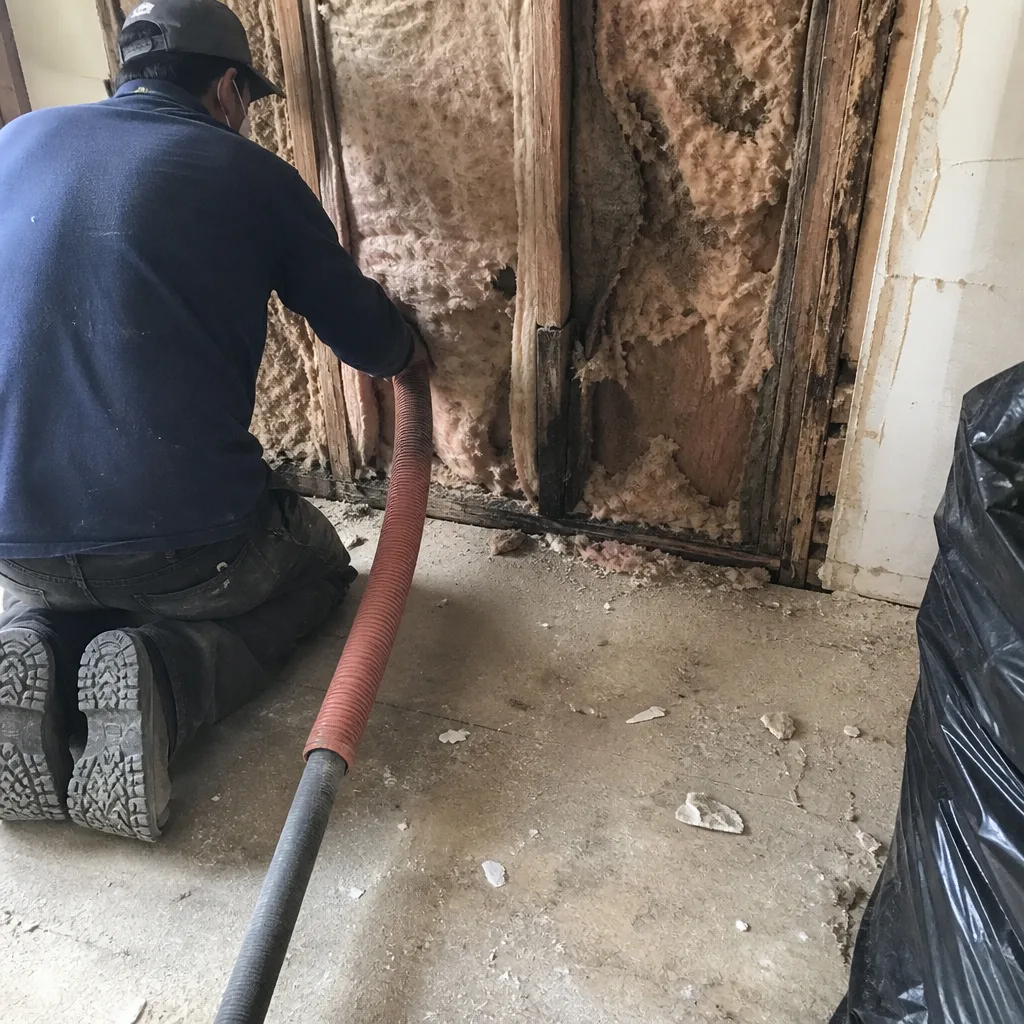 Before
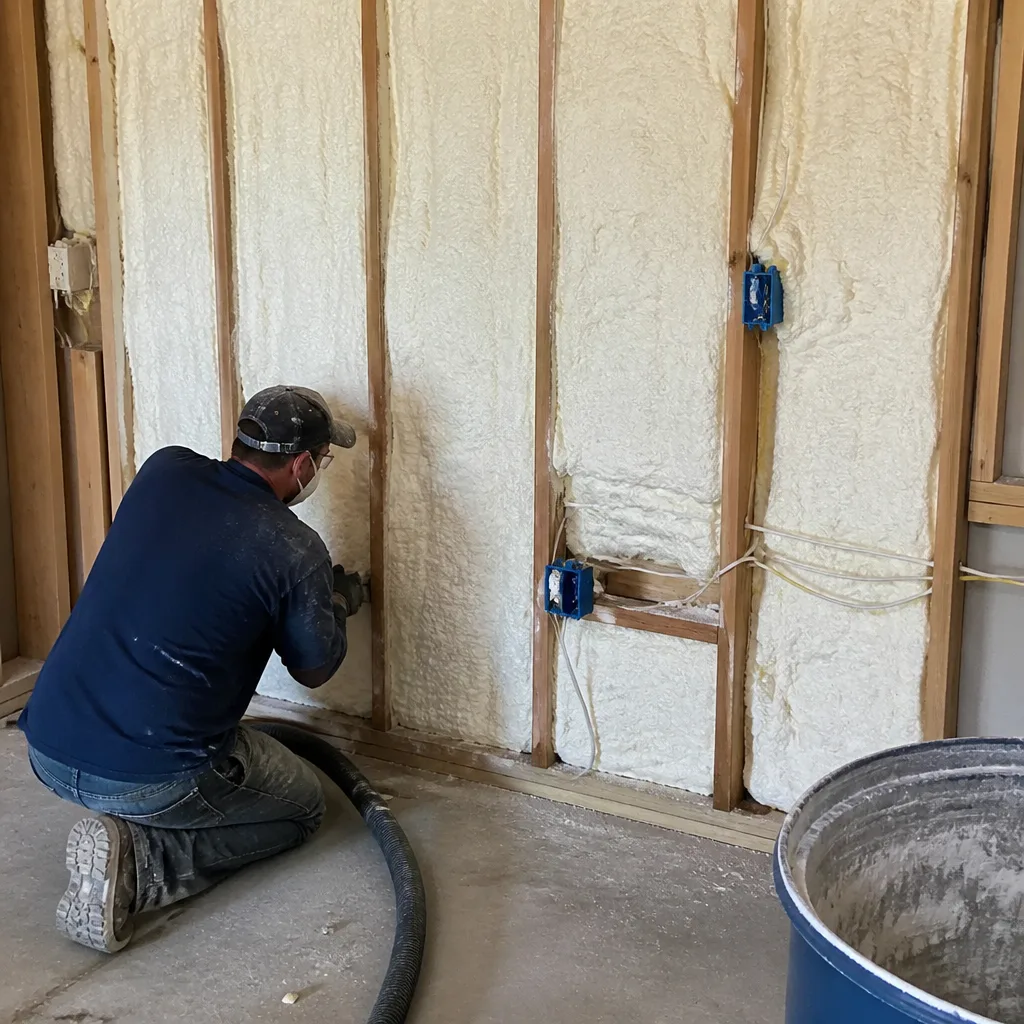 After
AfterWhat Rockwool Crawl Space Encapsulation & Vapor Barrier Costs in San Marcos
These ranges reflect what we see on actual Rockwool jobs in San Marcos, Hays County permit requirements, and current material costs from our suppliers:
| Scenario | Typical Range |
|---|---|
| Vapor barrier only (existing Rockwool stays, dry) | $2,800 - $3,800 |
| Vapor barrier + Rockwool ComfortBatt removal and replacement | $4,200 - $5,800 |
| Vapor barrier + ComfortBoard IS on foundation walls | $5,000 - $6,800 |
| Full encapsulation with dehumidifier, sump, and insulation replacement | $8,500 - $12,500 |
What moves the price: crawl space square footage (most San Marcos homes run 800-1,400 sq ft), whether we need to remove and dispose of existing Rockwool, foundation wall height, and whether a sump pump or dehumidifier is required for the Hays County clay soils that hold moisture against foundations. We do not price by the square foot alone - every job gets a flat written price after inspection.
Call (737) 337-8049 for a free estimate. Estimates are free. Second opinions on any written estimate are also free.
Why San Marcos Homeowners Call Topside Attic Insulation San Marcos for Rockwool Work
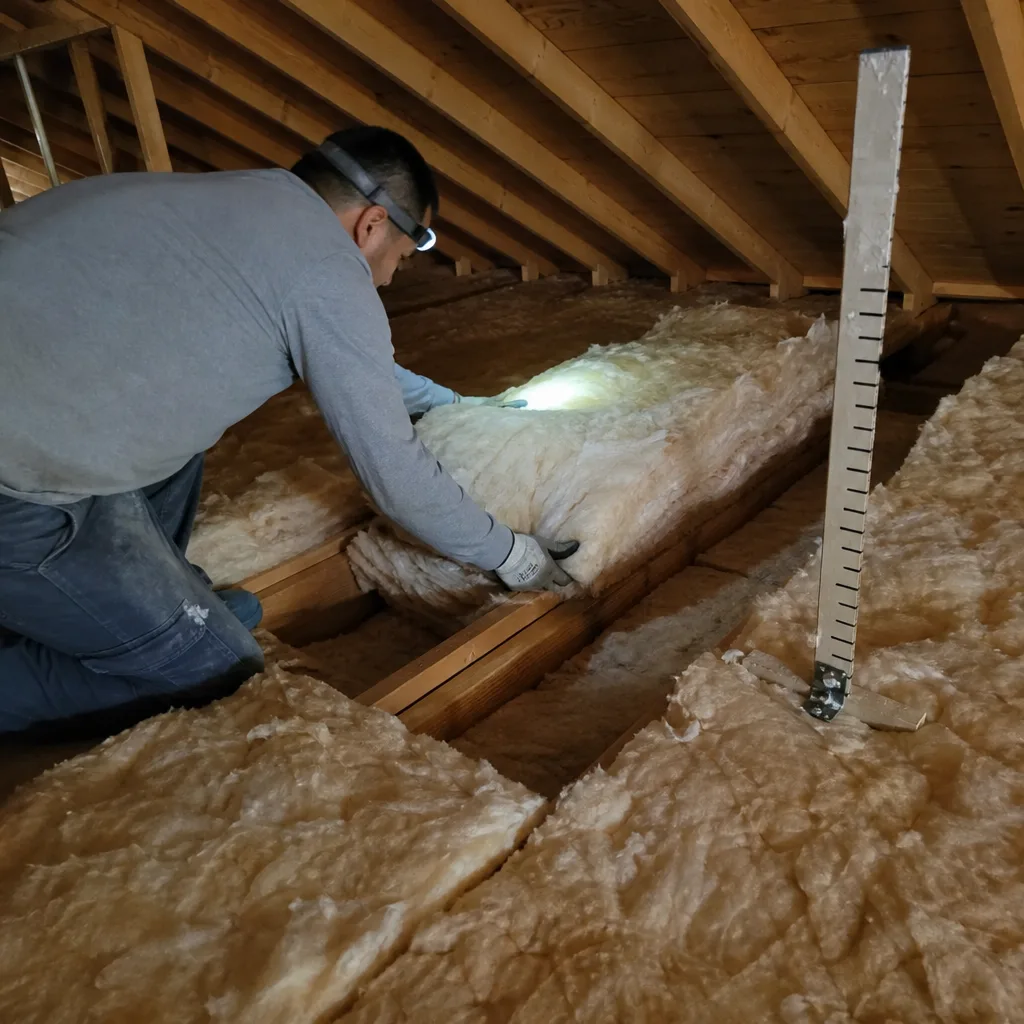
We’re independently owned and operated under The Haven Standard since 2016. We’ve sealed and insulated over 9,000 homes, every one with a written price before work started and a documented record when the crew left. Our technicians are background-checked, uniformed, and trained specifically in Rockwool’s product lines - they know the difference between ComfortBatt and ComfortBoard IS, and they know which San Marcos foundation types eat adhesive.
Wes Okafor, our owner, trained in building science and weatherization at Dawson Technical Institute and has spent over two decades diagnosing why building envelopes fail rather than just filling them. His crew has worked the older slab-on-grade homes near the Texas State University corridor long enough to know where the previous contractor skipped the top plate seal. We publish before-and-after blower-door numbers on every applicable job. We also service Reflectix and other major brands, so if Rockwool isn’t the right material for your crawl space, we’ll say so and show you the alternative.
Calls are answered by a live person, 24/7. No voicemail loops. No callback windows measured in business days.
FAQs
No - Rockwool’s limited warranty covers manufacturing defects, not installation conditions, and proper encapsulation with a vapor barrier protects the insulation from moisture damage that would void coverage. As an independent Rockwool service provider, we document the pre-existing condition with photos so any future warranty claim has a baseline. If you’re concerned about a specific batch, we record the production code during removal. Call (737) 337-8049 and we’ll walk through your documentation.
Most Rockwool encapsulation jobs are scheduled within 48 hours of your call, and the work itself takes one day for standard crawl spaces up to 1,200 square feet. Full encapsulations with sump and dehumidifier may require a second day. We do not manufacture urgency - we book the next available slot that works for your schedule. Call (737) 337-8049 to check current availability.
Repair is cheaper only if the Rockwool is dry, uncompressed, and installed above a proper vapor barrier. In most San Marcos crawl spaces we assess, the existing Rockwool has been in ground contact or high humidity long enough that removal and replacement with fresh material, plus a sealed vapor barrier, is the cost-effective long-term choice. We will show you the moisture meter readings and let you decide. Call (737) 337-8049 for a free estimate with no pressure to commit.
We source Rockwool ComfortBatt, ComfortBoard IS, and associated materials through standard distribution channels - there is no “OEM” versus aftermarket distinction for mineral wool insulation as there is for mechanical components. We use the specified product grade for each application and document the batch. If we recommend switching to closed-cell spray foam or another brand like Reflectix for a specific cavity, we explain why in the written scope. Call (737) 337-8049 to discuss material options for your job.
A vapor barrier alone - polyethylene sheeting on the ground - controls soil moisture evaporation. Encapsulation seals the entire crawl space, including walls and piers, and often adds mechanical dehumidification. You need encapsulation if your San Marcos home has standing water after rain, joist moisture above 20%, or HVAC ducts in the crawl space that sweat and lose efficiency. We test and tell you which tier your home needs. Call (737) 337-8049 to schedule an assessment.
Written by Wes Okafor, Owner, Topside Attic Insulation San Marcos at Topside Attic Insulation San Marcos, serving San Marcos and nearby areas.