
CertainTeed Attic Insulation: The San Marcos Owner’s Guide
Most CertainTeed attic insulation replacements in San Marcos run $1.80 to $3.40 per square foot installed, depending on R-value and whether the attic floor needs air sealing first. We stock CertainTeed fiberglass batts, blown-in Optima, and dense-pack solutions on our trucks, and we can usually inspect and quote same-day. Homeowners typically notice the problem first through uneven room temperatures, a spike in their CPS Energy or Bluebonnet Electric bill, or finding compressed, discolored batts in the attic hatch during a routine check.
Which CertainTeed Models This Applies To
CertainTeed’s attic insulation line breaks into three families that matter for San Marcos homes: fiberglass batts (ComfortTherm and Sustainable Insulation series), blown-in loose-fill (Optima and InsulSafe SP), and dense-pack/sidewall applications (TrueComfort). The batts ship in standard widths - 15-inch for 16-inch on-center framing, 23-inch for 24-inch - but the critical match is R-value and facing type. Kraft-faced batts go in vented attics with the facing down toward the conditioned space; unfaced batts work when you’re adding a layer over existing insulation or when the vapor retarder is handled separately.
To identify what you’ve got, check the paper facing for a printed label showing the series name, R-value, and ASTM C665 compliance. If the label’s gone, measure the thickness: R-30 batts run about 9.5 inches, R-38 about 12 inches, R-49 about 15.5 inches. For blown-in, look for the white or gray Optima fibers, which are longer and less dusty than commodity fiberglass; InsulSafe SP is denser and more common in older San Marcos builds from the 2005-2015 boom.
We don’t push OEM-only. CertainTeed batts are widely cross-compatible with Owens Corning and Johns Manville equivalents at the same R-value and dimension, though we source CertainTeed directly when the homeowner requests it or when we’re matching existing material for a partial replacement. The exception is Optima blown-in, which uses a specific fiber length and bonding agent; mixing it with generic loose-fill creates uneven density and thermal bridging.
Signs Your CertainTeed Attic Insulation Is Failing
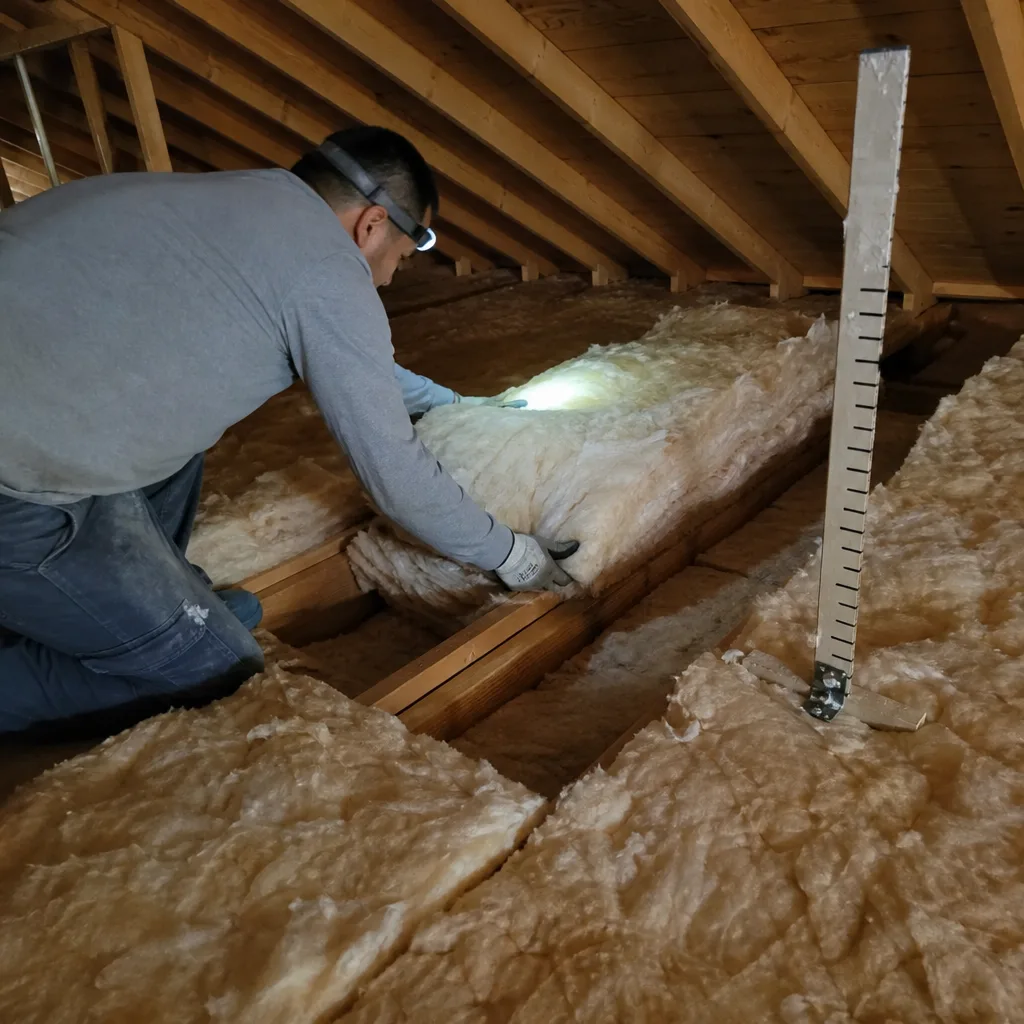
- Uneven temperatures room-to-room. In San Marcos, we see this most in homes near the Blanco River corridor where humidity has settled into compressed batts. Once fiberglass loses its loft - the fluffy thickness that traps air - the R-value drops by half even if the material looks intact.
- Sudden energy bill jump without rate changes. CPS Energy’s seasonal rates shift predictably, but a 20% or higher spike in a mild month usually means conditioned air is escaping through gaps the insulation no longer covers. The blower-door test - a pressurization reading that shows, in one number, how much air your building envelope is losing - typically reveals the leak path.
- Discolored, stained, or matted batts. Brown or gray streaking means airborne dust and moisture have penetrated the facing. In attics over homes built during the 2010-2015 San Marcos growth period, we often find batts that were installed before top-plate sealing was code-required, so warm, moist interior air has been washing through for years.
- Pest damage or nesting material. Rodents compress fiberglass to tunnel through it, and their waste renders the R-value irrelevant while creating an air-quality issue. We document this with photos during every inspection - part of the Documented Photo Record you receive before we leave.
- Ice damming or persistent roof-edge staining in rare freeze events. Even San Marcos gets a hard freeze every few winters. When heat escapes through thin or bypassed insulation, it melts roof snow that refreezes at the eaves, backing water under shingles. The insulation failure is usually at the eave edge where soffit venting was blocked by careless installation.
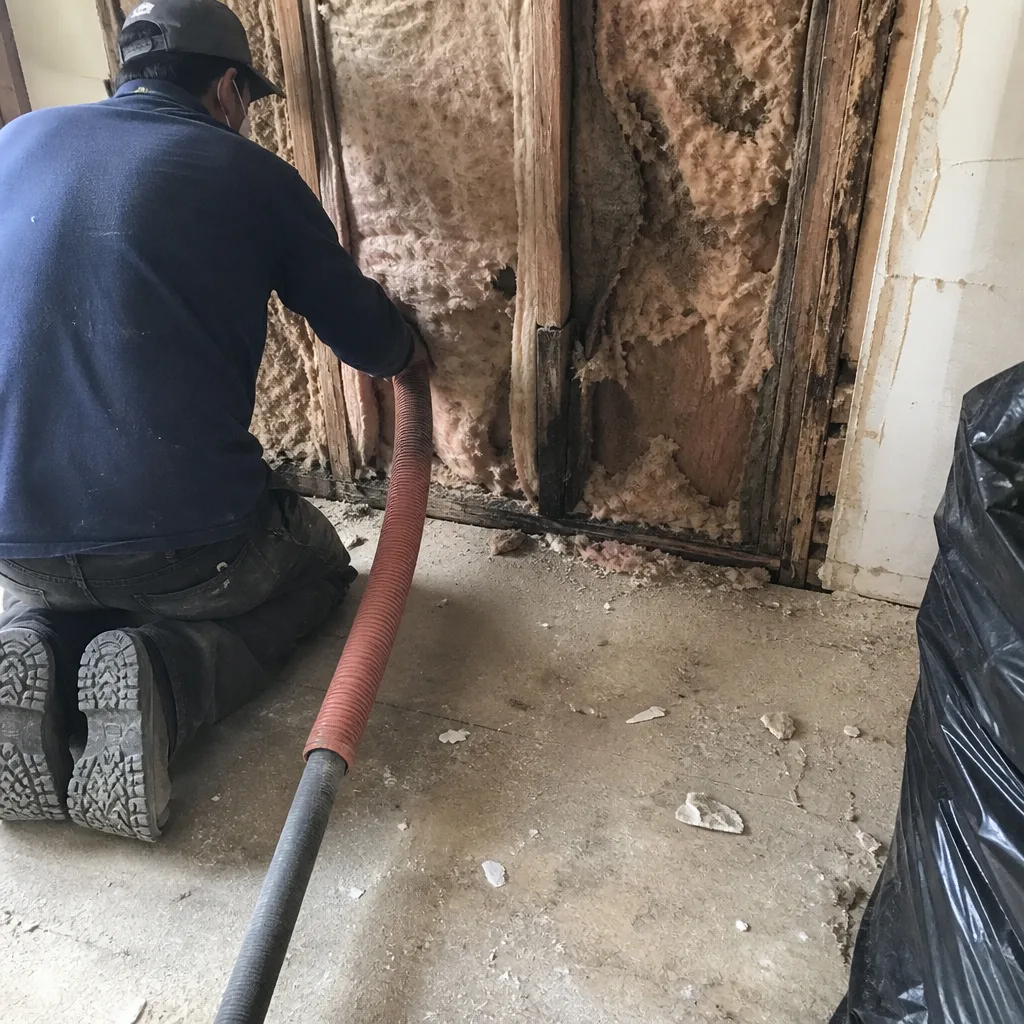 Before
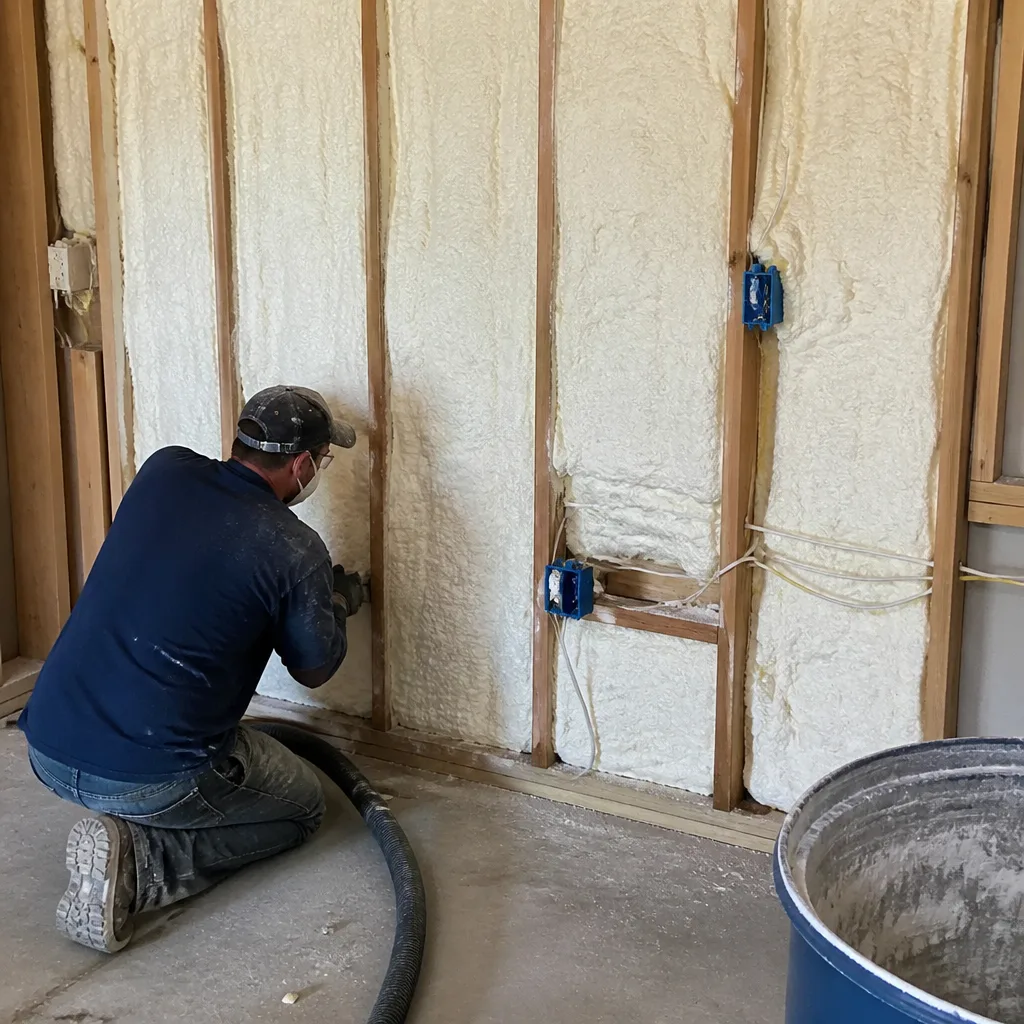 After
AfterReplacement Cost & What’s Included
| Scope | Price Range (San Marcos) | What Drives It |
|---|---|---|
| Partial replacement, matching existing R-value | $1.80-$2.60/sq ft | Accessibility, whether old material needs removal |
| Full attic replacement with air sealing | $2.40-$3.40/sq ft | Top-plate sealing, can light covers, chase damming |
| Blown-in Optima upgrade over existing | $2.00-$2.80/sq ft | Depth to achieve target R-value, prep work |
| Insulation removal + replacement | Add $0.60-$1.20/sq ft | Volume of material, contamination level |
These ranges include material, labor, and disposal. We don’t start work without a written price - Haven Standard Clause 1 - and that price covers the full scope, not a per-bag estimate that balloons when we find compressed batts under the hatch. Every replacement job carries our 365-Day Done Right Promise. On air-sealing jobs, you’ll receive before-and-after blower-door numbers on a single printed page so the improvement is documented, not claimed.
DIY or Call Us?
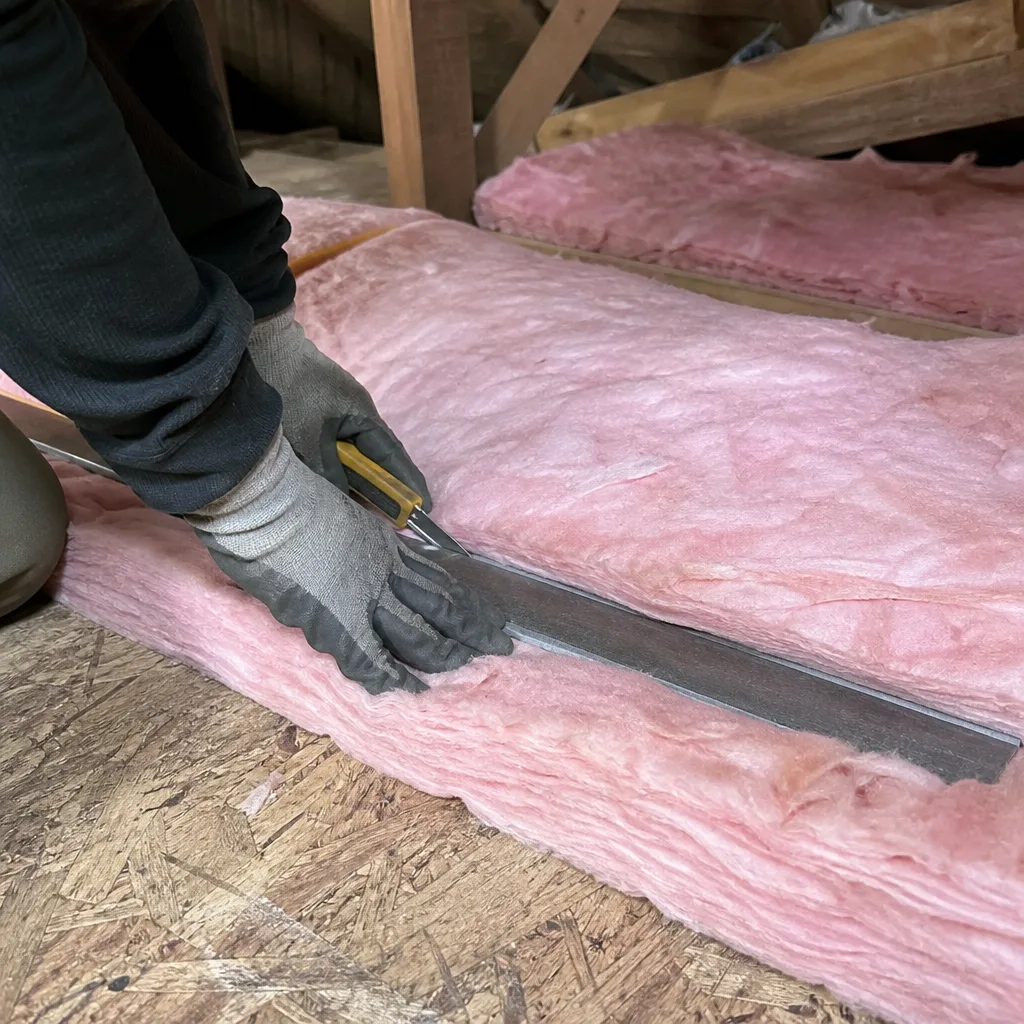
Homeowners can safely check three things: measure existing batt thickness against the labeled R-value, look for obvious gaps or compression near the attic hatch, and verify soffit vents aren’t blocked by insulation. What you can’t safely assess is whether the top plates - the horizontal framing member where wall studs meet ceiling drywall - are sealed, or whether can lights and duct chases are creating thermal bypasses. These require moving through the attic without disturbing existing insulation, working around electrical runs, and knowing where the envelope actually is.
We’re not affiliated with CertainTeed; we’re an independent insulation contractor that sources their materials among others. If you’ve got a written estimate from another San Marcos contractor, bring it to us. We’ll read it with you - Free Second Opinion, no obligation - and show you exactly what we found in your attic that the other scope did or didn’t address. Call (737) 337-8049 to schedule.
FAQs
Properly installed fiberglass batts and blown-in last 20 to 30 years, but Texas heat and humidity compress them faster than dry climates. In San Marcos, we typically see significant degradation at 12 to 18 years in homes where air sealing was skipped during original installation. Call (737) 337-8049 and we’ll measure what’s actually left up there - estimates are free.
Spot repairs work for isolated damage - a section of batt pulled back for a duct repair, for instance. But if compression, moisture staining, or pest contamination is widespread, patching creates thermal boundaries that leak at the seams. We won’t blow new insulation over failed old material; that’s sealing in the problem, not solving it. Call (737) 337-8049 for an honest assessment of whether repair or replacement makes sense for your attic.
Most residential attics in San Marcos are completed in one day for batts or blown-in, two days if removal and air sealing are included. We arrive with a named technician, text when we’re on the way, and leave you with a Documented Photo Record and written scope. Call (737) 337-8049 to check same-day availability.
We carry ComfortTherm batts in R-30 and R-38, Optima blown-in in standard bags, and dense-pack TrueComfort for wall applications. For less common R-values or faced configurations, we pull from our San Marcos warehouse within 24 hours. We also stock Reflectix radiant barrier for attics where summer heat gain is the primary issue. Call (737) 337-8049 to confirm we have your specific material.
The R-value tells you how slow heat moves through the material - the blower-door number tells you whether any of that matters. Wes Okafor has been running those tests since his Dawson Technical Institute training, and he still hands every customer that single printed page.
Written by Wes Okafor, Owner, Topside Attic Insulation San Marcos at Topside Attic Insulation San Marcos, serving San Marcos and nearby areas.