
GreenFiber Attic Air Sealing: The San Marcos Owner’s Guide
We stock and install GreenFiber-compatible attic air sealing components in San Marcos, with most repair or replacement jobs running between $340 and $780 installed depending on attic square footage and how many top plates, can lights, and penetrations need sealing. Same-day service is available when the failure is active - a hot attic pulling conditioned air, or visible daylight through the attic floor during daytime. Most San Marcos homeowners discover the problem when their summer electric bill jumps $80 to $140 month-over-month, or when they notice one bedroom stays stubbornly warmer than the rest despite the AC running nonstop.
Which GreenFiber Models This Applies To
GreenFiber produces loose-fill cellulose insulation, not a rigid air-sealing system, so “GreenFiber attic air sealing” refers to the配套 sealing work performed before or alongside GreenFiber cellulose installation - typically using caulk, spray foam, rigid foam baffles, and fire-rated covers for can lights. The compatibility question is whether your attic was prepped with proper air sealing before the GreenFiber went in, or if a previous contractor blew cellulose straight over leaky top plates and electrical penetrations.
To identify what you’re working with: check for a label on any existing baffles or light covers (GreenFiber itself does not brand these; they’re sourced separately), measure the gap at your top plates - standard 2×4 framing leaves a 1.5-inch horizontal seam that should be sealed with acoustical sealant or one-part foam before insulation contact - and note whether your can lights are IC-rated (insulation contact) or non-IC, which require a ten-inch clearance or a fire-rated cover. We carry both OEM GreenFiber-compatible baffles and aftermarket equivalents from Owens Corning and Johns Manville; for San Marcos homes built 1985 to 2010, we typically see non-IC can lights that need the fire-rated cover, not just a foam ring. That’s a compatibility gotcha that burns homeowners who buy the wrong part online.
Topside Attic Insulation San Marcos is an independent service provider - not affiliated with GreenFiber - and we source materials from multiple manufacturers so we’re not locked into one brand’s pricing or availability.
Signs Your GreenFiber Attic Air Sealing Is Failing
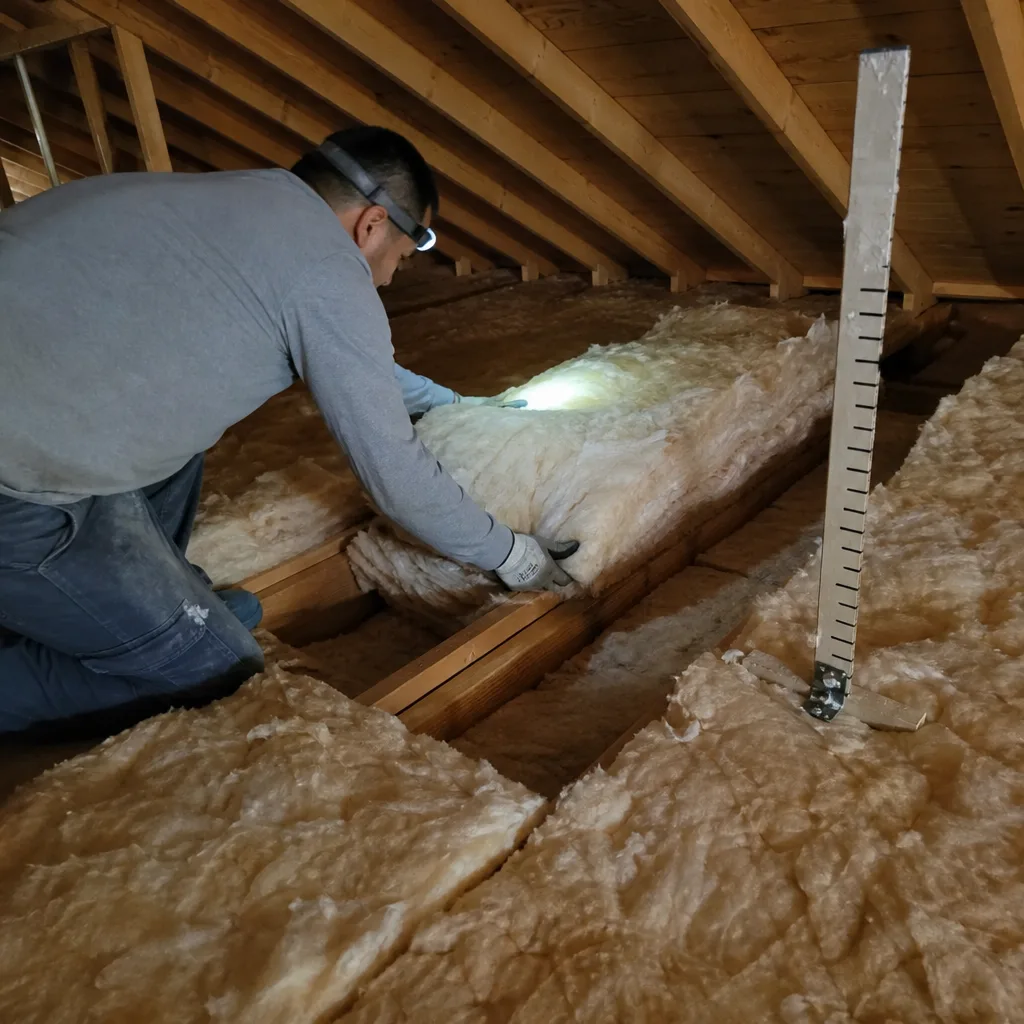
- Hot second-floor rooms in summer, cold ones in winter. Conditioned air is escaping through gaps at the top plate and being replaced by attic air. The GreenFiber cellulose above doesn’t stop air movement - it only slows conductive heat transfer - so the R-value is effectively bypassed where air leaks persist.
- Dust streaks around ceiling registers or can lights. These dark lines are filtration soiling, caused by attic air being pulled through tiny gaps and depositing fiberglass or cellulose dust on your ceiling paint. We see this constantly in San Marcos homes near the Blanco River corridor where older slab-on-grade construction has settled and opened seams.
- Ice damming or heavy frost in the attic during rare freeze events. Warm, moist interior air hits cold roof sheathing and condenses. In San Marcos, this happens less often than up north, but when it does, the damage is concentrated where air sealing was skipped around plumbing vents and chimney chases.
- Cellulose settling away from the eaves, exposing bare drywall. This indicates missing or failed baffles that should maintain a ventilation channel. GreenFiber cellulose needs that channel to stay dry; without it, the material compacts and loses R-value while attic moisture rises.
- Blower-door test reading above 3,500 CFM50 for a home under 2,500 square feet. That’s the pressurization number - how many cubic feet of air move through the envelope at 50 Pascals of pressure. A well-sealed home of that size should read closer to 2,000 CFM50 or below. We publish before-and-after numbers on every job so you can verify the change yourself.
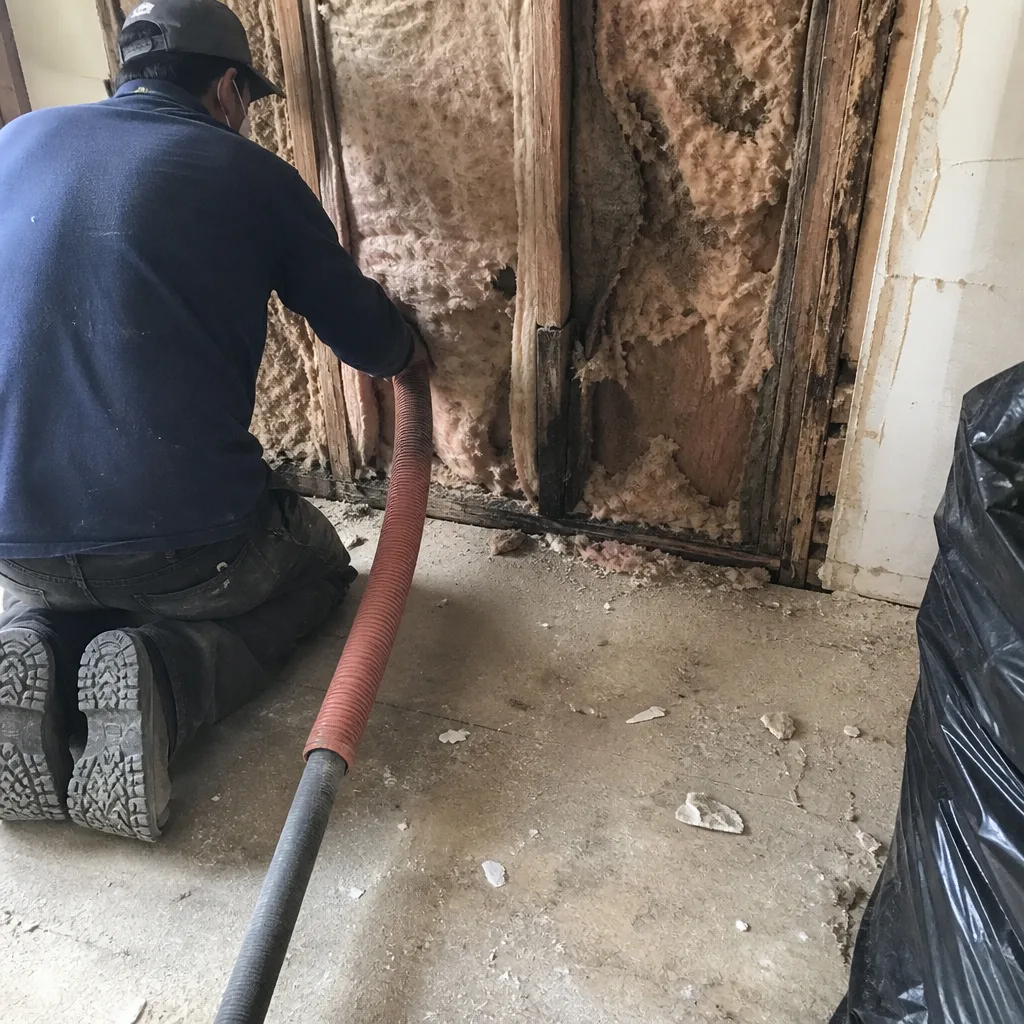 Before
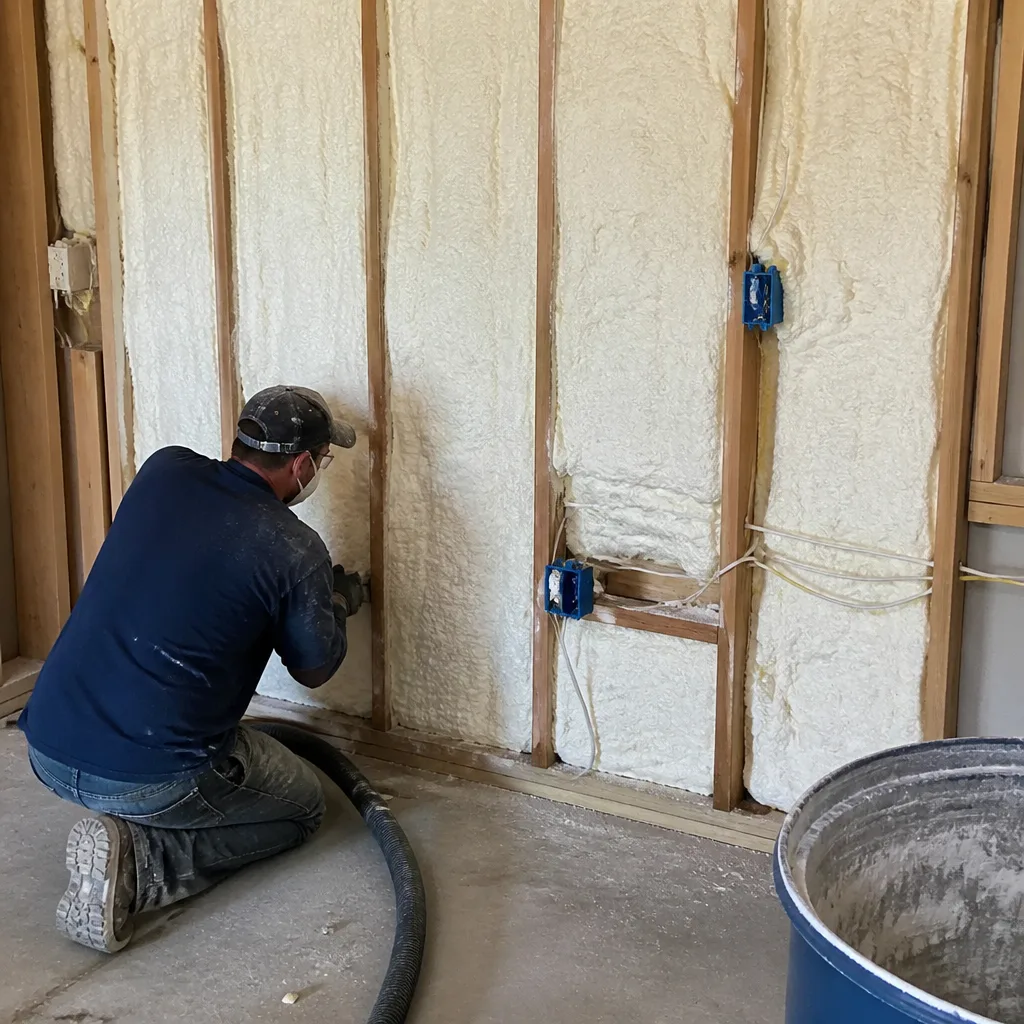 After
AfterReplacement Cost & What’s Included
Most GreenFiber attic air sealing jobs in San Marcos run $340 to $780 for attics between 1,200 and 2,500 square feet. Here’s how that breaks:
| Component | Price Range |
|---|---|
| Top plate sealing (per linear foot) | $2.50 - $4.00 |
| Can light fire-rated covers (each) | $45 - $85 installed |
| Penetration sealing (plumbing, electrical, HVAC) | $35 - $75 each |
| Baffle replacement / installation | $8 - $14 per linear foot |
| Full attic air seal with blower-door verification | $680 - $1,400 |
What drives the range: attic accessibility (scuttle vs. pull-down stairs vs. no access at all), quantity of can lights and penetrations, whether existing GreenFiber needs partial removal and reinstallation, and whether we find failed or missing baffles that require replacement before new sealing goes in. Every job gets a Written Price Before Any Work Starts - Haven Standard Clause 1 - and the price you sign is the price you pay. Work is covered by our 365-Day Done Right Promise, and applicable jobs include before-and-after blower-door readings on a single printed page.
DIY or Call Us?
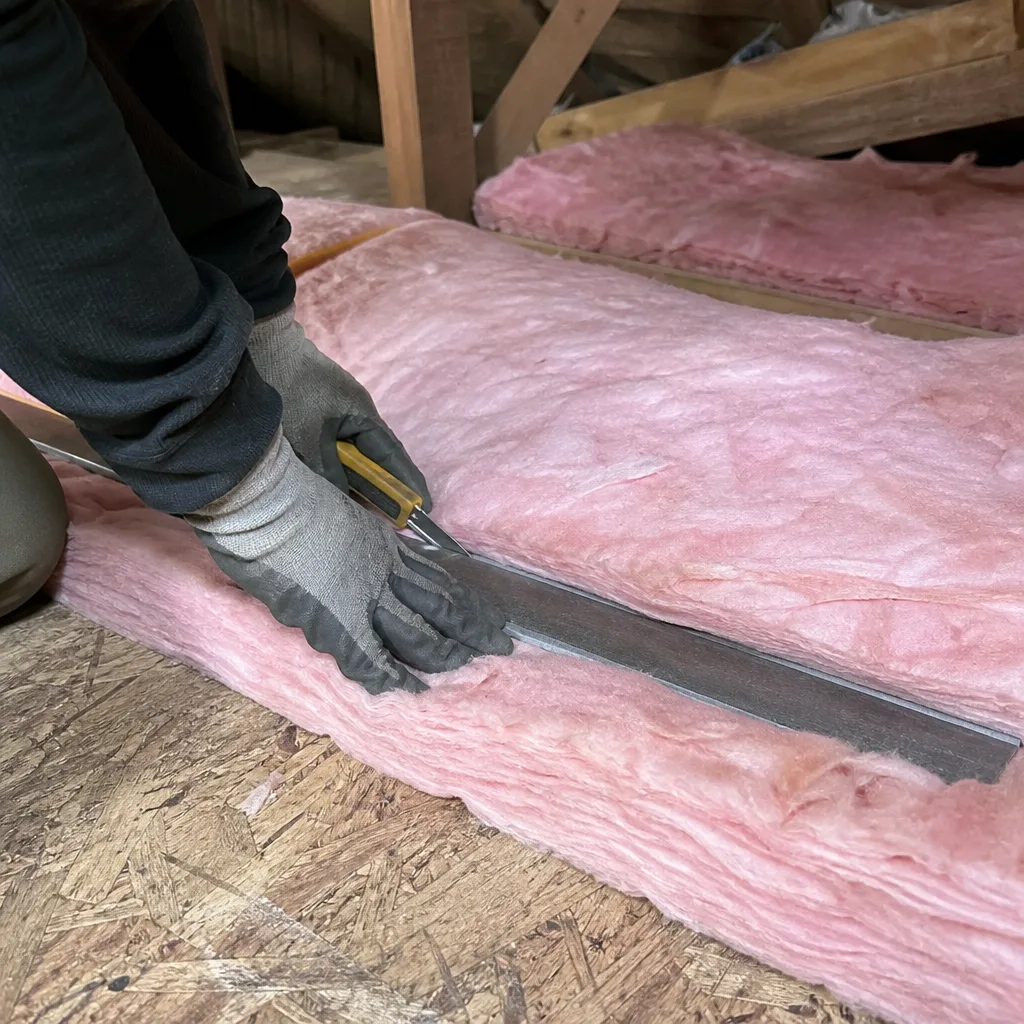
Here’s what you can safely check yourself: shine a flashlight across the attic floor during full daylight - any pinholes of light are air leaks. Note the brand and rating on your can lights. Measure attic square footage and count penetrations. That’s useful information, and you’re welcome to text us photos.
Where DIY goes wrong: working around live electrical in a hot attic with limited egress is where homeowners get hurt or cause damage. Sealing top plates requires moving existing insulation, which disturbs GreenFiber cellulose and creates a respiratory hazard without proper PPE. Spray foam and fire-rated caulk have specific application temperatures and thickness requirements; too thin and it fails, too thick and it can off-gas or crack. And without a blower-door test, you’re guessing at whether you found the leaks that actually matter. The R-value tells you how slow heat moves through the material - the blower-door number tells you whether any of that matters.
We carry GreenFiber-compatible baffles, fire-rated covers, and sealants on every truck. Call (737) 337-8049 for a free estimate with written pricing before any work starts.
FAQs
In San Marcos, quality air sealing lasts 15 to 25 years before materials degrade from attic heat cycling. Cellulose-safe caulk and one-part foam are rated for that lifespan, though we inspect for shrinkage or cracking at year five on request. Call (737) 337-8049 to schedule a check - estimates are free.
Spot repairs work if the original seal is intact in adjacent areas and the failure is isolated - one pulled-away baffle, one cracked caulk line at a top plate. If you’re finding multiple failure points or the previous contractor skipped sealing entirely, partial repair often costs more in labor than a proper full seal. We assess this on every visit and tell you which path saves money.
Most GreenFiber attic air sealing jobs take four to six hours for a crew of two, including setup, partial insulation relocation, sealing, and blower-door verification. Larger attics or those requiring full baffle replacement run closer to a full day. We text arrival times and named technician details under Haven Standard: Arrive on schedule.
We stock GreenFiber-compatible baffles, fire-rated can light covers, acoustical sealant, one-part spray foam, and rigid foam board on every San Marcos truck. Specific OEM GreenFiber-branded accessories are ordered same-day if needed, though in practice the aftermarket equivalents we carry meet or exceed the same fire and air-barrier ratings at lower cost.
Written by Wes Okafor, Owner, Topside Attic Insulation San Marcos at Topside Attic Insulation San Marcos, serving San Marcos and nearby areas.