
Last updated September 24, 2026
How to Hire a Insulation Contractor in San Marcos: A Step-by-Step Guide
Here’s the problem with most hiring guides: they tell you to “get three quotes” without explaining what to compare. So San Marcos homeowners end up choosing between proposals that describe completely different jobs. One contractor quotes $2,800 for “attic insulation, R-38.” Another quotes $4,200 for “building envelope improvement with air sealing and blown cellulose.” For context on what these numbers mean locally, see our Insulation Cost Breakdown: The San Marcos Homeowner’s Reference for 2026. They’re not competing prices on the same scope. They’re selling different products entirely.
In this guide, you’ll learn how to read an insulation proposal like a performance contractor, not a shopper-one of our more guides & resources for San Marcos homeowners. We’ll cover the exact documents to request, the five interview questions that separate air-sealing professionals from material installers, and why a proposal without a blower-door target is a contract for a delivery, not a result. San Marcos homes built between 1980 and 2010 are especially vulnerable to this gap, because they were insulated to code minimums that never accounted for the Hill Country’s temperature swings or the air leakage that steals conditioned air through every top plate and can light.
Quick Answer
To hire an insulation contractor in San Marcos, request three written proposals that each include: a pre-installation blower-door test with ACH50 reading, a detailed air-sealing scope (top plates, penetrations, can lights, attic hatch), material specifications with R-value and installed depth, a post-installation blower-door target, photo documentation, and warranty terms in writing. Compare these eight line items side by side, not just the bottom dollar. Verify the contractor carries general liability insurance and can pull permits through the City of San Marcos Building Division. Never sign a proposal that quotes by square footage alone or treats air sealing as an optional add-on.
Table of Contents
- Why Most Proposals Don’t Describe the Same Job
- The Eight Line Items Every Complete Proposal Needs
- What Texas Licensing Actually Covers for Insulation Work
- Five Interview Questions That Reveal Everything
- Red Flags in a Finished Proposal
- What Documentation You Should Receive at Job Completion
- Common Mistakes to Avoid
- When to Call a Professional
- Frequently Asked Questions
- The Bottom Line
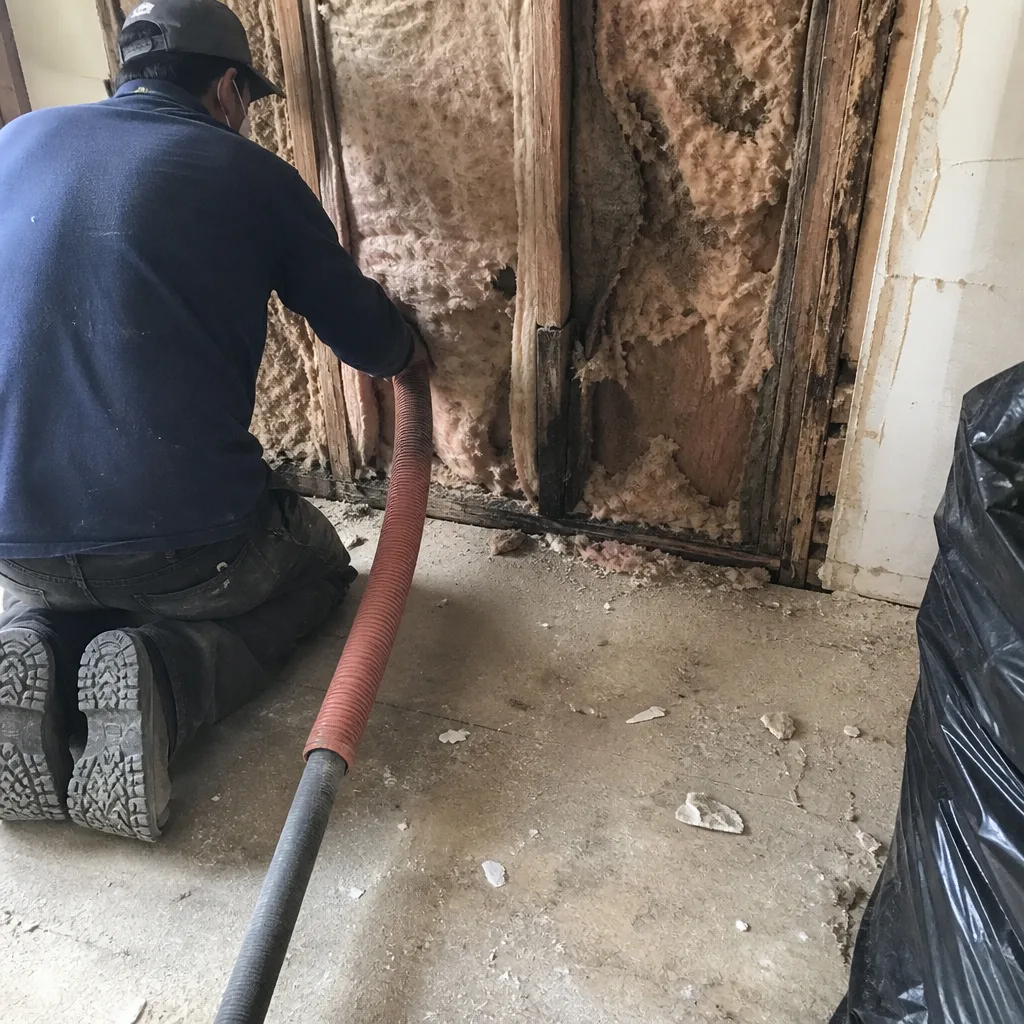 Before
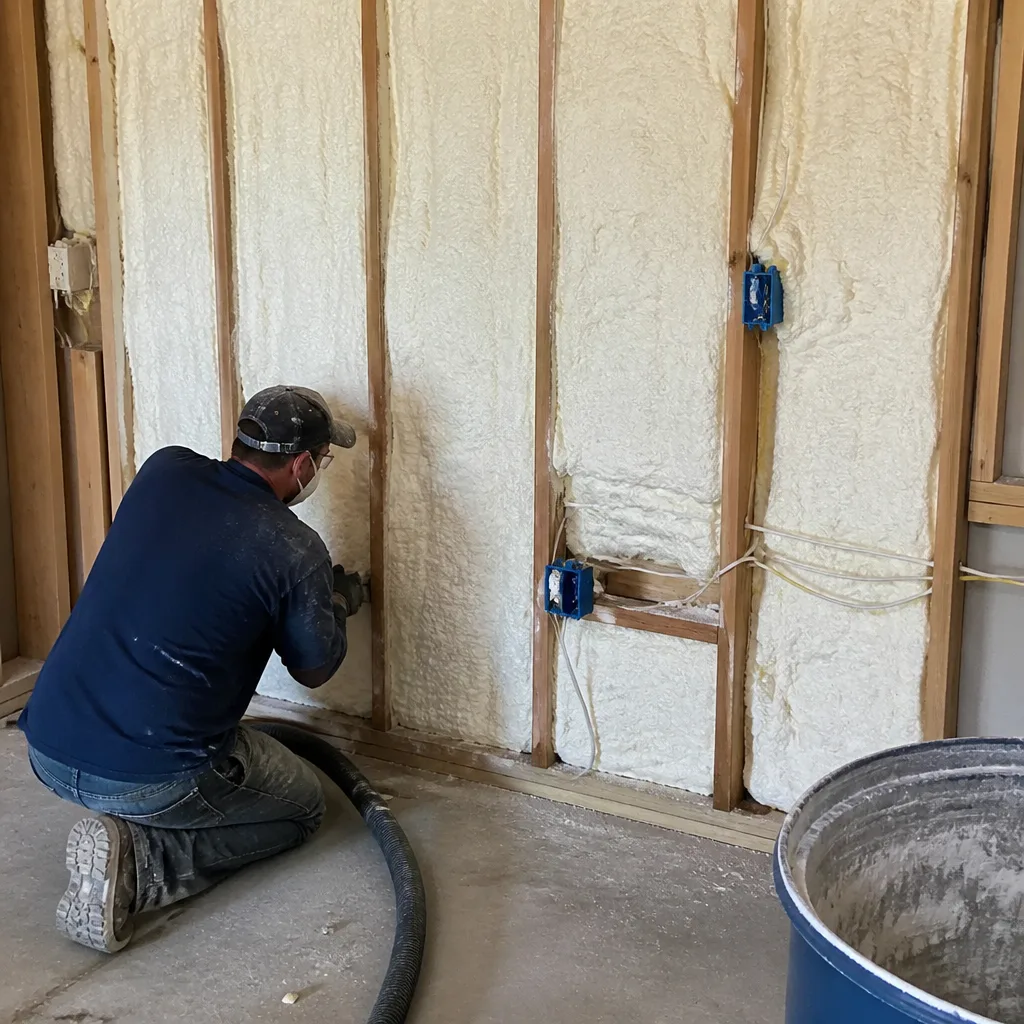 After
AfterWhy Most Proposals Don’t Describe the Same Job
The insulation industry has a split personality. On one side are material installers: crews who show up with a truck of fiberglass or cellulose, blow it to a depth that matches the R-value on the quote, and leave. On the other side are performance contractors: companies that treat the building envelope as a system, measure air leakage before and after, and guarantee a result you can verify with a number.
Both will say they “do insulation.” The difference shows up in your energy bill, your indoor comfort, and whether your second floor stays habitable in a San Marcos August.
Here’s why this matters locally. San Marcos sits in the Texas Hill Country, where summer highs regularly hit 98°F and winter lows dip below freezing. Homes here experience significant thermal stress. But temperature is only half the battle. The other half is air leakage: conditioned air escaping through gaps in the attic floor, pulling unconditioned air in through the crawl space or wall cavities. A contractor who adds insulation without sealing those leaks is essentially wrapping a leaky pipe in a towel. The insulation slows the loss, but it doesn’t stop it.
The blower-door test is what separates these two approaches. It’s a pressurization reading that shows, in one number (CFM50, or cubic feet per minute at 50 pascals of pressure), how much air your building envelope is losing. A material installer might never mention it. A performance contractor will test before work starts, seal the leaks, then test again to prove the improvement. At Topside Attic Insulation San Marcos home, we publish those before-and-after numbers on every applicable job so homeowners can see the performance change they actually paid for.
When you ask for three quotes, you’re not shopping for insulation. You’re shopping for two different categories of service that happen to use similar materials. This guide will show you how to tell them apart before you sign.
The Eight Line Items Every Complete Proposal Needs
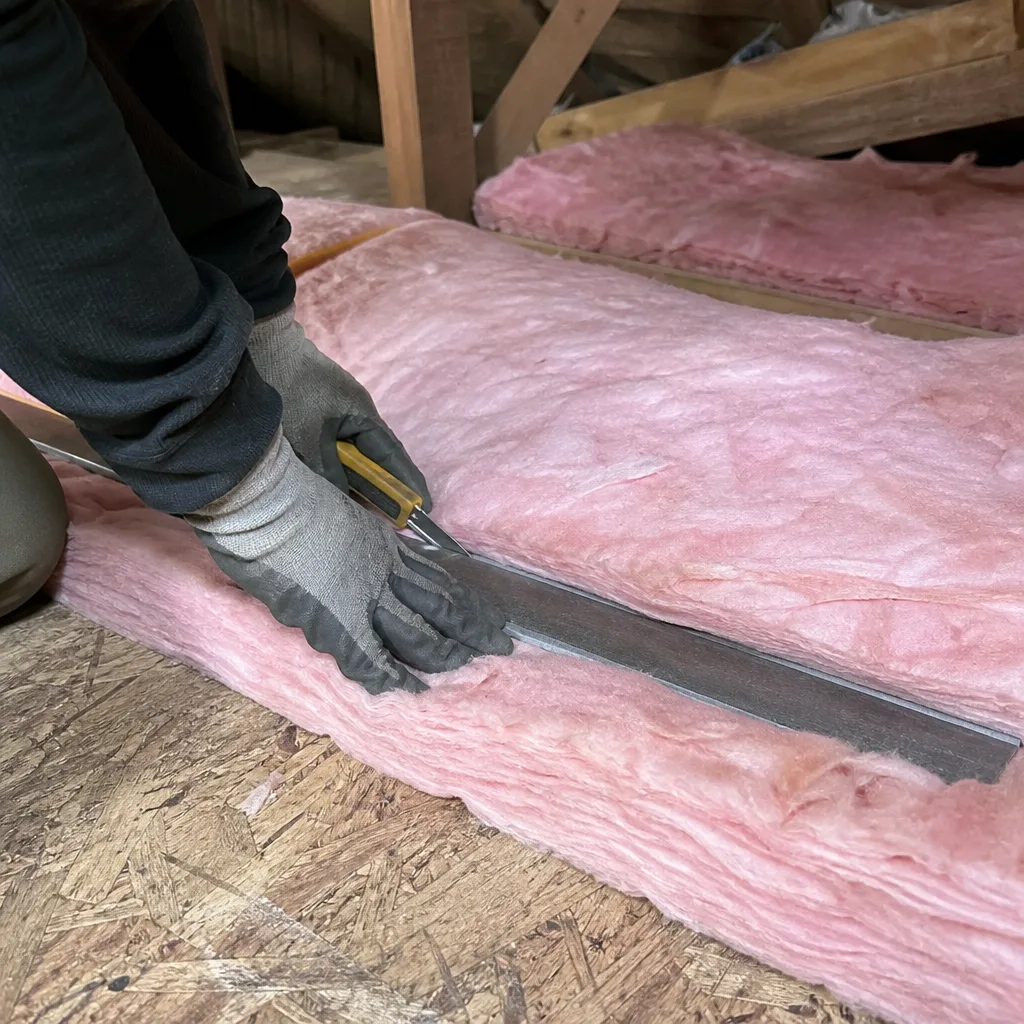
A proposal is a contract for a result, not a guess at a price. These eight line items are the minimum documentation that lets you compare apples to apples. If any are missing, you’re buying on faith.
1. Air Sealing Labor (Detailed Scope)
The proposal must list, by location and method, where air sealing will occur. Generic language like “air seal as needed” is not acceptable. Look for specifics: top plates (the horizontal framing member where walls meet the attic floor), electrical and plumbing penetrations, recessed can lights (with fire-rated caps where required), chimney chases, duct boots, and the attic hatch or pull-down stairs with weatherstripping. In San Marcos, many homes in neighborhoods like Willow Creek, Blanco River Village, and the older sections of Downtown have balloon framing or complex rooflines that create hidden leakage paths. The proposal should acknowledge these conditions or note that they’ll be assessed during the pre-work inspection.
2. Material Specification with R-Value
The proposal must name the material type (fiberglass batts, blown cellulose, mineral wool, open-cell spray foam, closed-cell spray foam), the manufacturer, and the installed R-value. R-value measures thermal resistance per inch. But R-value alone is misleading without installed depth, because a compressed batt or insufficient blown depth won’t achieve the stated performance. Look for brands like Owens Corning, Johns Manville, or Rockwool named specifically, not “premium fiberglass” or “equivalent product.” At Envelope Insulation Co., we source from Owens Corning, Johns Manville, Knauf, Rockwool, CertainTeed, Icynene, Demilec, and GreenFiber, and we specify which material fits which application, with no proprietary lock-in.
3. Installed Depth
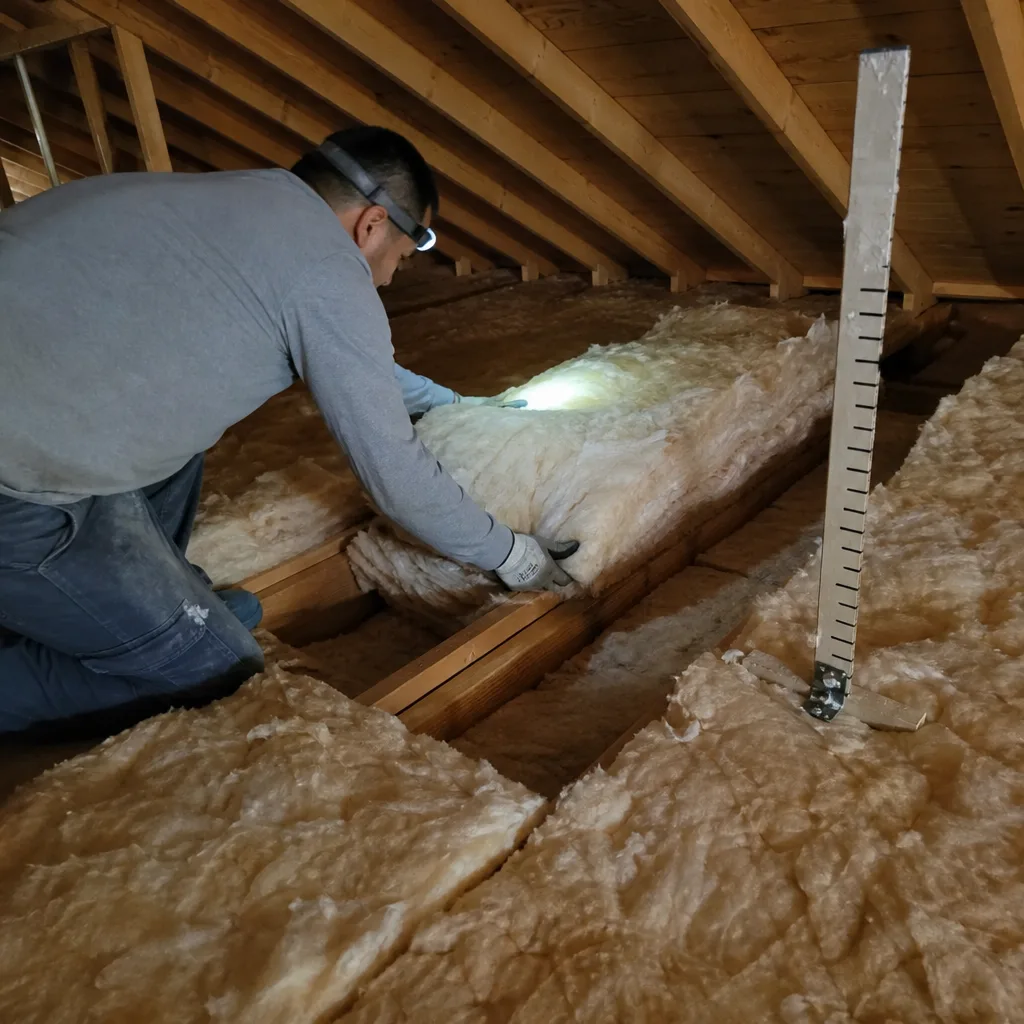
R-38 of blown fiberglass requires a different depth than R-38 of blown cellulose, because the materials have different R-values per inch. The proposal must state the target depth in inches, not just the R-value. It should also specify whether depth will be verified with a measuring stick across multiple attic locations (it should be).
4. Area in Square Feet
The proposal must define the treatment area. “Attic insulation” could mean the main attic over conditioned space, or it could include the garage attic, porch roof, or a bonus room kneewall. The square footage should be stated, and any excluded areas should be noted.
5. Blower-Door Pre-Test
The proposal must include a pre-installation blower-door test with the ACH50 reading (air changes per hour at 50 pascals). This establishes your home’s baseline leakage. Without it, there’s no way to measure improvement. A proposal that skips this step is planning to install material, not solve a performance problem.
6. Blower-Door Post-Test
The proposal must include a post-installation blower-door test with a target improvement. This doesn’t need to be a specific number, but it should commit to a measurable reduction, such as “minimum 20% reduction in CFM50” or “target ACH50 below [X].” The post-test proves the air sealing worked and the envelope performs as designed.
7. Photo Documentation
The proposal must commit to photo documentation of key conditions: pre-work attic state, air sealing details, installed insulation depth measurements, and any unusual conditions found. This isn’t for marketing. It’s for your records, for future contractors, and for potential home sale disclosure. Under Haven Standard Clause 1, every job at Envelope Insulation Co. includes a Documented Photo Record, delivered with the final paperwork.
8. Warranty Terms in Writing
The proposal must state the warranty period, what it covers (material defects, installation errors, performance shortfall), and the process for making a claim. Verbal assurances are not acceptable. Our 365-Day Done Right Promise applies to all completed work, with the written scope and written warranty delivered before anyone lifts a tool.
Here’s a comparison template you can use:
| Line Item | Contractor A | Contractor B | Contractor C |
|---|---|---|---|
| Air sealing scope (detailed) | |||
| Material type, brand, R-value | |||
| Installed depth (inches) | |||
| Treatment area (sq ft) | |||
| Blower-door pre-test (ACH50) | |||
| Blower-door post-test (target) | |||
| Photo documentation committed | |||
| Warranty terms in writing |
What Texas Licensing Actually Covers for Insulation Work
Texas does not have a standalone insulation contractor license. This surprises most homeowners, and it creates a gap that low-quality operators exploit. Here’s what actually regulates insulation work in San Marcos, drawn from our Insulation Permits, Codes & Inspections in TX: What You Need to Know:
The Texas Department of Licensing and Regulation (TDLR) oversees mechanical contractors, which includes HVAC work that sometimes overlaps with insulation (duct sealing, for instance). But for pure insulation installation, the relevant credential chain runs through general liability insurance, workers’ compensation coverage, and local building permits.
In San Marcos, any insulation work that involves structural modification, spray foam application, or changes to the building envelope typically requires a permit from the City of San Marcos Building Division. The contractor should know this and should handle the permit application as part of their scope. If a contractor tells you permits “aren’t needed for insulation,” that’s a warning sign. They may be correct for simple batt replacement in an existing attic, but they should be able to explain why, citing the specific municipal code section, not just assert it.
What to verify:
- General liability insurance, with certificate of insurance available on request. Minimum $1 million is standard for residential envelope work.
- Workers’ compensation coverage for all crew members. Texas doesn’t mandate this for all businesses, but a contractor without it exposes you to liability if a worker is injured on your property.
- Ability to pull permits through the City of San Marcos Building Division. Ask for the permit number and verify it on the city’s online portal.
- No history of unresolved complaints with the Texas Attorney General’s Consumer Protection Division or the Better Business Bureau.
At Envelope Insulation Co., we’ve been independently owned and operated under The Haven Standard since 2016. Every job begins with a written price, and we carry the insurance and bonding documentation that San Marcos homeowners should expect to review before work starts.
Five Interview Questions That Reveal Everything
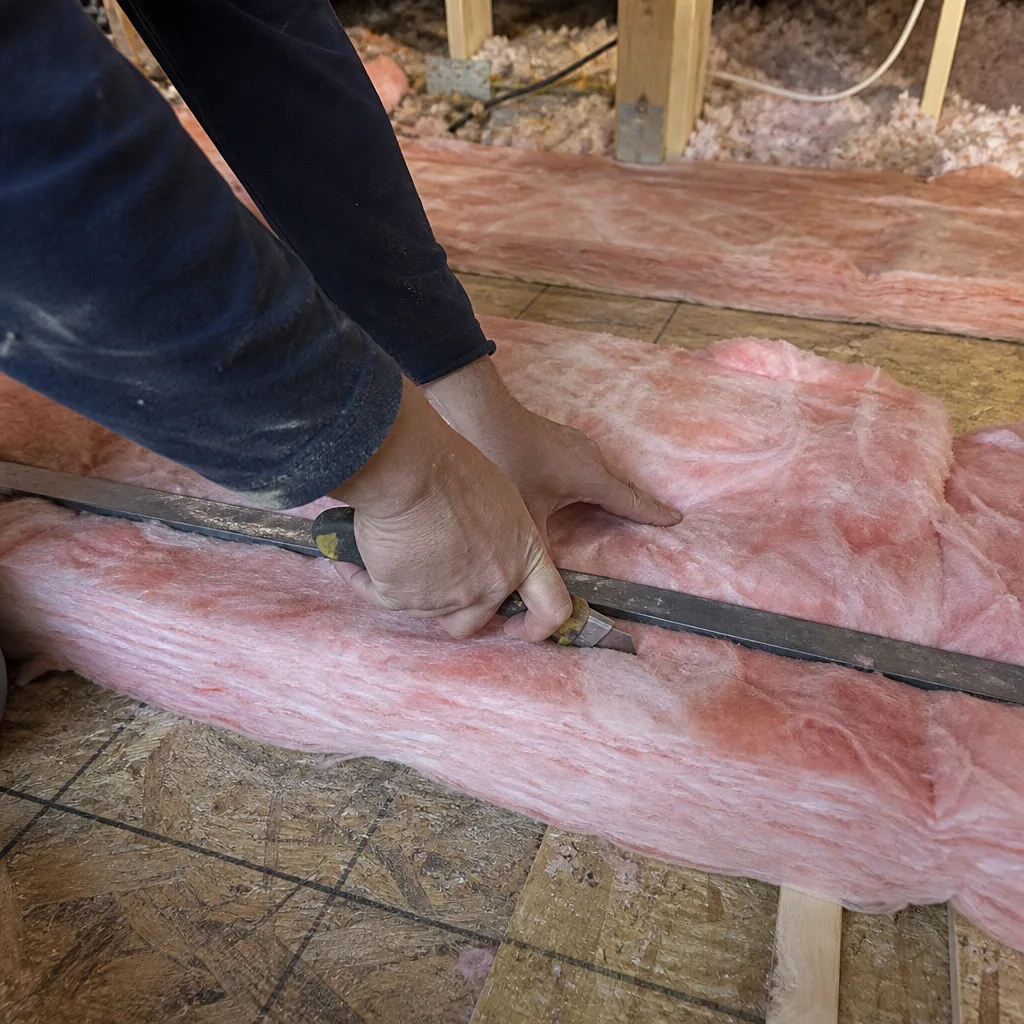
These questions are designed to expose whether a contractor treats air sealing as included scope or as an upsell. Ask them in your initial consultation, and note not just the answer, but whether the contractor seems prepared for the question.
Question 1: “Will you seal the top plates before installing insulation, and how do you access them?”
Top plates are the horizontal framing members where interior walls meet the attic floor. They’re a major leakage path in every home, but they’re often buried under existing insulation. A contractor who plans to blow new material over old without lifting it to seal the plates is skipping the most important step. The answer should describe a process: removing or moving existing insulation, sealing gaps with caulk or foam, then reinstalling or adding new material. If the contractor says top plates “aren’t a big issue” or “we’ll seal what we can see,” they’re not performing air sealing. They’re performing insulation installation.
Question 2: “How do you handle recessed can lights in the attic floor?”
Recessed lights are another major leakage and safety issue. Standard can lights are not rated for contact with insulation. They create a chimney effect that pulls conditioned air into the attic year-round. The correct answer involves fire-rated airtight covers (Tenmat or equivalent) installed over each can light, with insulation then placed over the cover. If the contractor says they’ll “work around the lights” or “insulate up to but not over them,” they’re leaving a significant leakage path open. In San Marcos, where summer attic temperatures can exceed 140°F, this also creates a fire risk.
Question 3: “What do you do with the attic hatch or pull-down stairs?”
The attic hatch is often the most overlooked leakage point. A proper scope includes weatherstripping the frame, adding insulation to the hatch itself (rigid foam or a pre-fabricated insulated cover), and ensuring the latch creates a positive seal. If the contractor hasn’t thought about this, they haven’t thought about the envelope as a system.
Question 4: “Will you perform a blower-door test before and after the work, and will I receive the report?”
The answer should be yes, with specifics on the equipment (Retrotec or Minneapolis Blower Door are the standard brands), the metrics reported (CFM50 and ACH50), and the format of the report (printed, emailed, or both). If the contractor says they “can do that” but it’s extra, or if they’ve never performed one, they’re a material installer. A performance contractor treats this as standard practice, not an upgrade. Our Attic Insulation in San Marcos service includes before-and-after blower-door readings on every applicable job, published so the homeowner can verify the result.
Question 5: “Walk me through what documentation I’ll receive when the crew leaves.”
The answer should be specific and immediate: a written invoice matching the proposal price, photo documentation of the completed work, the blower-door report with before-and-after readings, and warranty paperwork. If the contractor says “we’ll email something later” or “the office handles that,” they may not have a systematic process. Under Haven Standard, you get a Documented Photo Record on every visit, included, not available on request. You also get the written scope and written warranty before anyone starts, per Clause 1.
These five questions will separate contractors who’ve thought through the building envelope from those who sell insulation by the bag. In our experience across 9,000+ homes sealed and insulated since 2016, the contractors who struggle with these questions are the same ones whose customers call us two years later to fix the work.
Red Flags in a Finished Proposal
Even with the right questions asked, proposals arrive with Insulation Warning Signs: A San Marcos Homeowner’s Reference Guide that should stop the process. Here are the specific red flags we’ve seen in San Marcos homeowner reviews and second-opinion calls.
Square-foot pricing with no blower-door line item. This is the hallmark of a material delivery. The contractor is selling you a commodity (X bags of insulation at Y depth) rather than a performance outcome (a tighter envelope with measurable improvement). Square-foot pricing can be a starting point for discussion, but it cannot be the entire scope.
R-value stated without installed depth. “R-38 fiberglass” is incomplete. R-38 of blown fiberglass at proper density requires approximately 14-15 inches. R-38 of cellulose requires approximately 10-12 inches. Without the depth, you can’t verify the installation. Some contractors achieve “R-38” by quoting the settled depth, knowing the material will compress over time. The proposal should specify “installed depth” or “settled depth,” and it should commit to verification.
No mention of existing insulation removal or encapsulation. In San Marcos homes built before 1990, existing insulation may be contaminated with rodent waste, water damage, or degraded to the point that adding new material over it creates problems. A proposal that assumes “blow over existing” without assessing condition is skipping a critical decision point. If removal is needed, it should be scoped. If encapsulation (sealing the existing material in place with a barrier) is an option, it should be discussed. Our Crawl Space Encapsulation & Vapor Barrier in San Marcos service addresses similar conditions below grade, and the same principles apply in attics.
Air sealing as an optional “upgrade.” Air sealing is not an upgrade. It is a prerequisite to effective insulation. A proposal that lists “premium air sealing package” for an additional fee is structuring the sale to make the base price look lower while knowing the work won’t perform without it. This is the equivalent of selling a car without wheels and offering “premium mobility package” as an add-on.
Vague warranty language. “Satisfaction guaranteed” or “lifetime warranty” without definitions, exclusions, and a claims process is not a warranty. It’s marketing. The proposal should state the warranty period, what triggers it (performance shortfall, material defect, installation error), who honors it (the contractor or a third party), and how to make a claim. Our 365-Day Done Right Promise is backed by a written scope and written warranty delivered before work starts, with no exceptions.
Pressure to sign immediately. Any contractor who offers a “today only” discount or claims scheduling availability is disappearing is practicing urgency theatre. A legitimate proposal is valid for a reasonable review period, typically 30 days. We offer a Free Second Opinion on Any Written Estimate, because we believe homeowners should understand what they’re comparing before they commit.
What Documentation You Should Receive at Job Completion
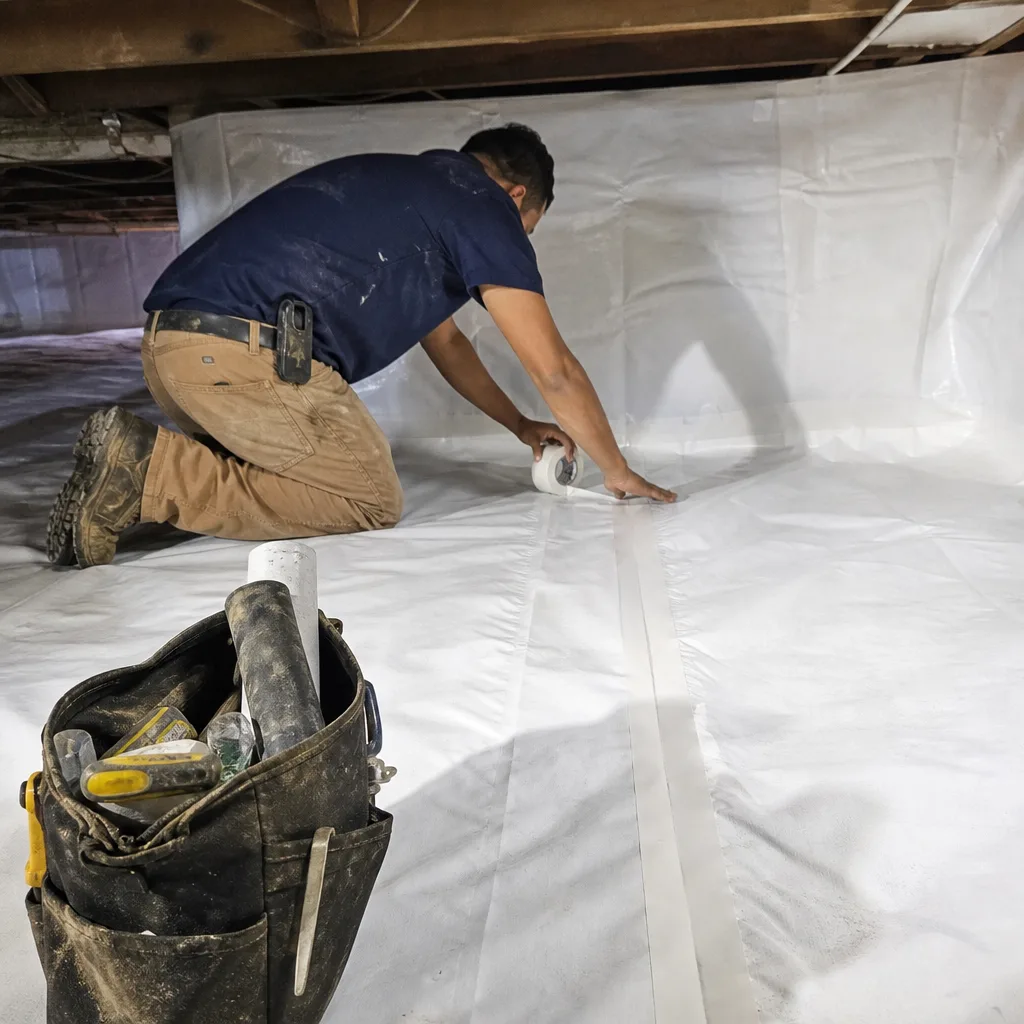
The job isn’t done when the crew leaves. It’s done when you have a complete record of what was performed, how it performed, and what you’re entitled to if something goes wrong. Here’s what that looks like.
Written invoice matching the proposal price. No surprises, no “we found extra” charges that weren’t authorized in writing. Haven Standard Clause 1: flat price, written scope, written warranty before anyone lifts a tool. If conditions discovered during work require a change order, it should be documented and signed before the additional work proceeds.
Blower-door report with before-and-after readings. This is your proof of performance. The report should show the CFM50 and ACH50 readings before work started and after completion, with the percentage improvement calculated. Keep this document. You’ll need it for:
- Utility rebate claims (Austin Energy and some CoServ programs require pre- and post-improvement documentation)
- Home sale disclosure (buyers and inspectors increasingly ask for energy performance documentation)
- Future contractor reference (the next owner or contractor needs to know the baseline)
- Warranty claims (if performance doesn’t hold, the original report establishes what was achieved)
Photo documentation. The Documented Photo Record should include: attic condition before work, air sealing details (top plates, penetrations, can lights, hatch), installed insulation depth measurements at multiple locations, and any unusual conditions or recommendations for future work. These photos belong to you, not the contractor’s marketing department.
Warranty paperwork. The written warranty, signed by both parties, with the scope reference, date of completion, and claims process. Store this with your home records.
Permit closure documentation. If permits were pulled, you should receive confirmation that the City of San Marcos Building Division has signed off on the final inspection.
At Envelope Insulation Co., we’ve delivered this documentation on 9,000+ homes since 2016. It’s not extra. It’s what leaving looks like.
Common Mistakes to Avoid
- Comparing bottom-line prices without comparing scopes. A $2,800 proposal for material-only installation and a $4,200 proposal for air sealing plus insulation are not competing options. They’re different services. Use the eight-line-item comparison template to force an apples-to-apples evaluation.
- Assuming all spray foam is the same. Open-cell spray foam (half-pound density, R-3.6 per inch, vapor permeable) and closed-cell spray foam (two-pound density, R-6.5 per inch, vapor barrier) perform differently and cost differently. A proposal that says “spray foam insulation” without specifying which type is incomplete. Our Spray Foam Insulation in San Marcos service specifies the product by application, because roof decks, rim joists, and wall cavities each have different requirements.
- Ignoring the attic hatch. Homeowners focus on the insulation visible across the attic floor and forget the hatch they open twice a year to store holiday decorations. An unsealed, uninsulated hatch can negate a significant portion of the air sealing work. Verify it’s in the scope.
- Skipping the pre-test to save money. Some contractors offer a lower price by omitting the pre-work blower-door test. This saves them time and equipment rental, but it leaves you with no baseline and no proof of improvement. The pre-test is not optional for performance work.
- Hiring based on online reviews alone. Reviews tell you about customer service and cleanup, not about technical quality. A friendly crew who leaves a spotless attic but skips the top plates has performed poor work politely. Ask the five interview questions to assess technical competence.
- Not verifying permit requirements. San Marcos requires permits for spray foam installation and some envelope modifications. An unpermitted job can complicate future sales, insurance claims, or warranty enforcement. Verify permit status before work starts.
- Accepting verbal promises about warranty or follow-up. “We’ll take care of you” is not a warranty. “Call me if you have problems” is not a claims process. Everything must be in writing before work starts. Haven Standard: Have it in writing.
When to Call a Professional
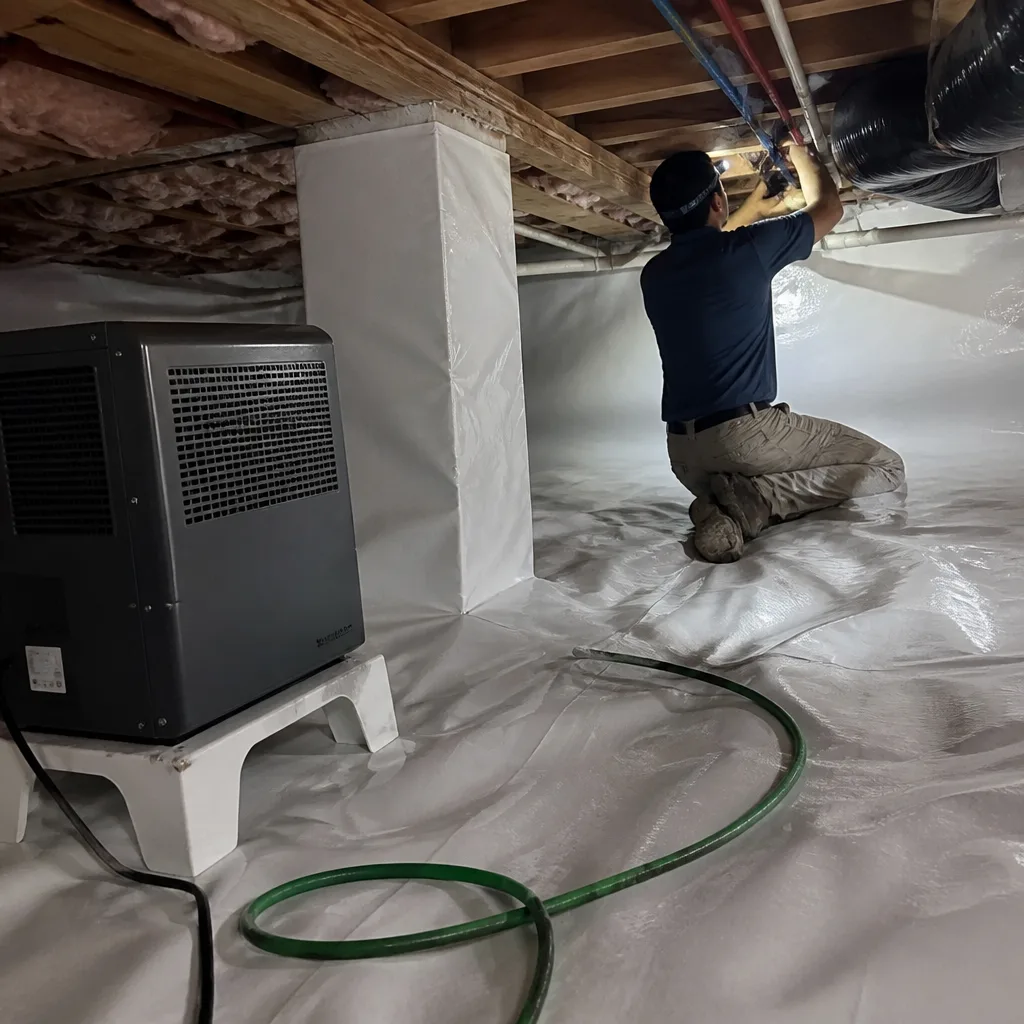
Certain conditions make DIY insulation work inadvisable or ineffective. Call a professional if your home has knob-and-tube wiring in the attic (fire hazard with insulation contact), if you suspect rodent contamination (health hazard during disturbance), if the existing insulation is wet or moldy (indicates roof or plumbing leaks that must be addressed first), or if you’re considering spray foam (application requires specialized equipment, training, and ventilation control during curing).
Also call a professional if your second floor is consistently 8-12°F warmer than the first floor in summer, if your energy bills are rising without rate increases, or if you’ve had ice dams or significant icicle formation in winter (yes, even in San Marcos, hard freezes occur and poor envelope performance shows).
Topside Attic Insulation San Marcos offers free estimates in San Marcos. We’ll review your existing conditions, perform a blower-door test if appropriate, and deliver a written proposal with the eight line items described in this guide. Call (737) 337-8049 to schedule. A live person answers 24/7, and you’ll receive a named technician with a text when they’re on the way.
Frequently Asked Questions
Most complete attic insulation jobs in San Marcos, including air sealing and blown-in fiberglass or cellulose, run between $3,200 and $6,800 for a typical 1,800-2,400 square foot home. Spray foam applications range higher, typically $5,500 to $12,000 depending on thickness and area. The variation depends on existing insulation condition (removal adds labor), attic accessibility, and whether spray foam or mineral wool is specified. Call (737) 337-8049 for a written estimate with exact scope and pricing, estimates are free.
A standard attic insulation job with air sealing takes one to two days for a crew of two technicians. Day one typically covers prep, existing insulation assessment or removal, and air sealing. Day two covers insulation installation, depth verification, and the post-work blower-door test. Spray foam applications may require additional curing time before occupancy. We provide a specific schedule in every written proposal.
Repair (adding new material over old) is cheaper upfront, typically 30-40% less than removal and replacement. But it’s only appropriate if the existing insulation is dry, uncontaminated, and not compressed below 50% of its original depth. In San Marcos homes with rodent activity, water damage from roof leaks, or pre-1990 fiberglass that’s degraded, replacement performs better and avoids trapping problems beneath new material. We assess condition during our initial inspection and document our recommendation with photos.
Yes, but only when combined with air sealing. Insulation slows heat transfer through the ceiling, but air leakage brings 140°F attic air directly into conditioned space through gaps around lights, top plates, and the attic hatch. In San Marcos, where cooling dominates energy bills, a blower-door guided air sealing job typically reduces cooling load 15-25%, with insulation adding another 10-15% on top. Insulation alone without sealing achieves a fraction of that.
The 2021 IECC code requires R-38 minimum for attic insulation in Climate Zone 2, which includes San Marcos. However, performance contractors often recommend R-49 to R-60 for homes with complex rooflines or significant ductwork in the attic, because the additional thermal buffer compensates for the harder-to-seal conditions. The proposal should justify the R-value recommendation based on your specific home, not default to code minimum.
Verify three things at completion: the installed depth matches the proposal specification (measure with a ruler at multiple locations), the blower-door report shows measurable improvement from the pre-test, and the photo documentation shows air sealing at top plates, penetrations, and the attic hatch. If any of these are missing or don’t match the proposal, the work is incomplete regardless of how the attic looks from the access point.
The Bottom Line
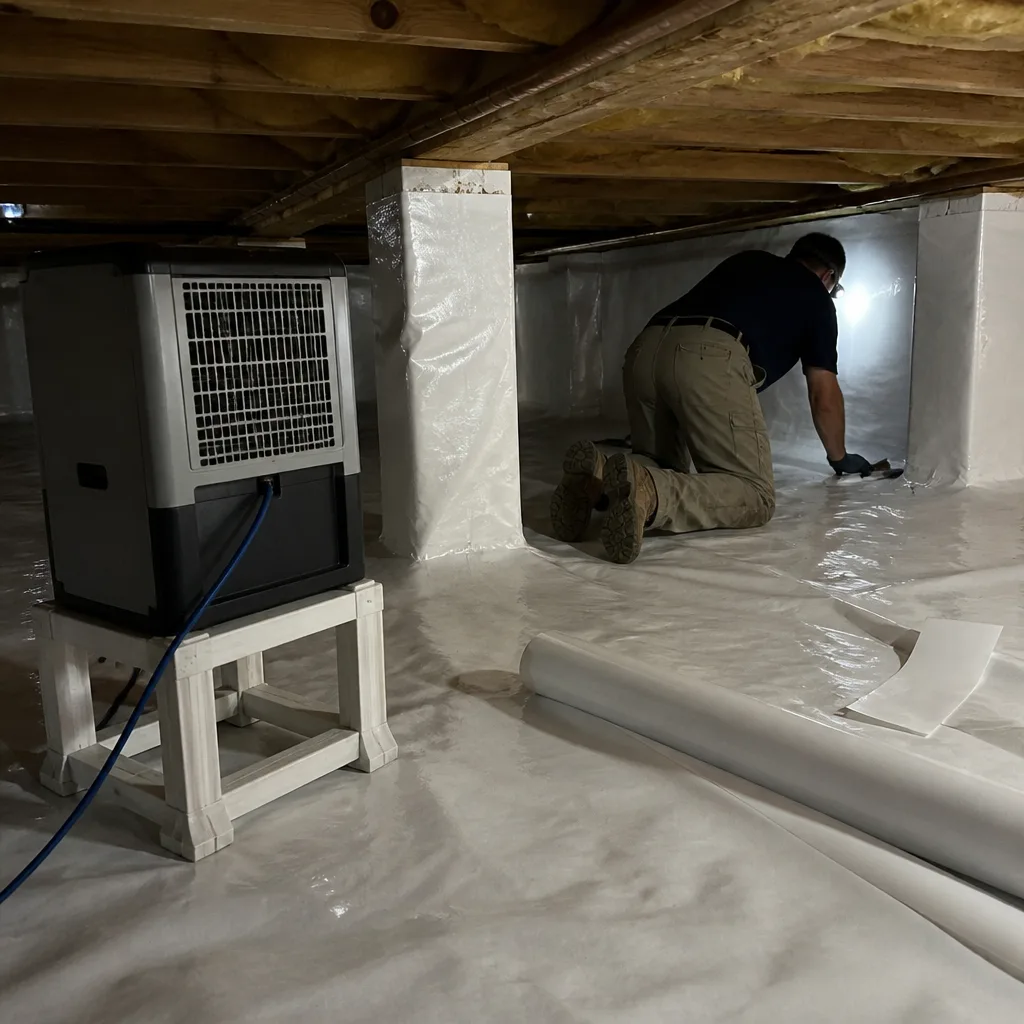
Hiring an insulation contractor in San Marcos is not about finding the lowest price. It’s about finding a contractor who will deliver a measurable performance outcome, document it, and stand behind it. The eight line items in a complete proposal, the five interview questions, and the documentation at job completion are your tools for making that distinction.
Most hiring guides stop at “get three quotes.” This one stops when you have three comparable scopes, each with a blower-door target, a detailed air-sealing plan, and a written warranty. That’s the difference between buying insulation and fixing your home’s envelope. In a San Marcos summer, the difference shows up in your energy bill, your comfort, and whether you need to run a window unit in the bedroom to sleep through August.
We’ve sealed and insulated 9,000+ homes since 2016, every one with a written price before work started and a documented record when the crew left. If you’re evaluating proposals and want a second opinion, bring us a competing quote. We’ll read it with you. Call (737) 337-8049, or schedule through our site. A live person answers 24/7.
Written by Wes Okafor, Owner at Topside Attic Insulation San Marcos, serving San Marcos since 2016.