
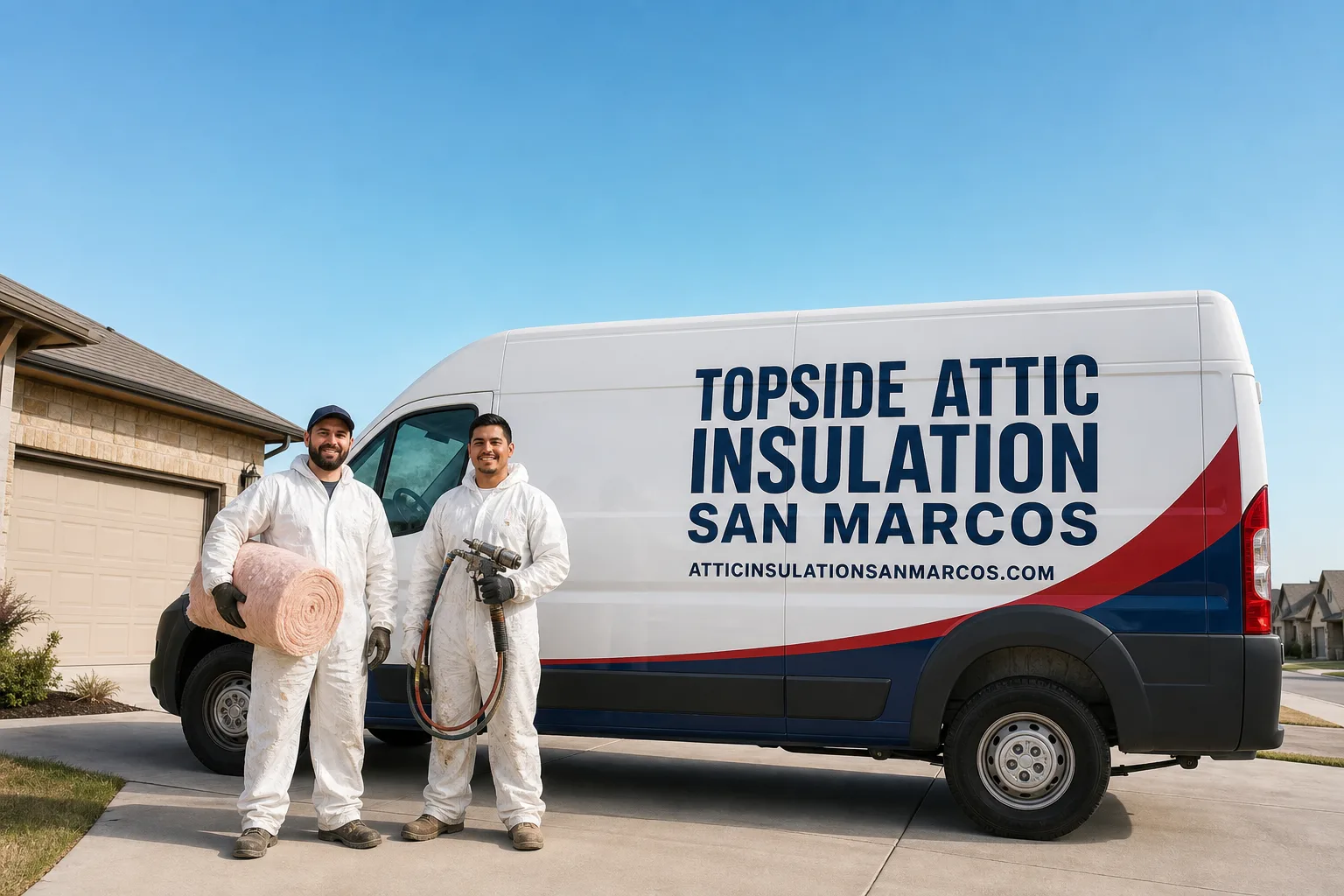
How Much Does Blown-In Insulation Cost in San Marcos?
Blown-In Insulation services in San Marcos, TX typically cost between $1,400 and $3,200 for a standard attic in a home ranging from 1,200 to 2,800 square feet, with most jobs landing around $1,800 to $2,400 after air sealing is completed first. That price includes labor, materials, and a documented photo record when the crew leaves. Homes in San Marcos that haven’t been touched since before 2010 often need insulation removal first, which adds $600 to $1,200 to the total, depending on how much old material is up there and whether rodent debris is present.
Blown-In Insulation Cost Breakdown (2026)
The table below reflects current San Marcos market pricing as of 2026. These are real dollar ranges from jobs completed in Hays County, not national averages pulled from an aggregator.
| Service | Typical Price Range | Notes |
|---|---|---|
| Blown-in attic insulation (1,200 sq ft home) | $1,100 – $1,600 | To R-38; cellulose or fiberglass |
| Blown-in attic insulation (1,800 sq ft home) | $1,500 – $2,200 | To R-38; includes air sealing first |
| Blown-in attic insulation (2,400 sq ft home) | $1,900 – $2,800 | To R-38; complex rooflines add cost |
| Blown-in attic insulation (2,800+ sq ft home) | $2,400 – $3,500 | To R-38; vaulted ceilings or bonus rooms may vary |
| Air sealing (top plates, can lights, penetrations) | $350 – $700 | Completed before any insulation is added |
| Insulation removal (old batt or blown) | $600 – $1,200 | Varies with depth, debris, and attic access |
| Blown-in wall insulation (existing walls, retrofit) | $1,800 – $3,800 | Drilling and patching included |
| Blown-in crawl space insulation | $900 – $1,800 | Depends on access and joist depth |
| Before-and-after blower-door test | Included on applicable jobs | CFM50 readings before sealing and after |
A few things push those numbers higher. Homes built in the 1990s on the north side of San Marcos, near Thorpe Lane and Sessom Drive, often have knob-and-tube-adjacent wiring runs through the attic that require careful routing around during installation. That slows the job and adds labor. On the lower end, newer construction in communities like Whisper, Trace, and Blanco Vista typically has cleaner attic access and fewer penetrations to seal, which keeps installation time down.
Material choice also matters. Cellulose – made from recycled paper and treated for fire resistance – is generally $0.10 to $0.15 per square foot cheaper than fiberglass blown-in and settles at a slightly higher density, which matters in a market like San Marcos where summer attic temperatures regularly exceed 130°F. Fiberglass blown-in from manufacturers like Owens Corning or Johns Manville holds its R-value better in extreme heat, which is why some energy-conscious San Marcos homeowners choose it despite the small cost premium. Neither material is universally “right” – the best answer depends on your attic’s current condition, your existing ventilation, and whether moisture has ever been an issue.
Every job at Envelope Insulation Co. starts with a written price before anyone picks up a hose or plugs in a blower machine. That’s Haven Standard Clause 1 – a flat price, a written scope, and a written warranty before any work starts. No surprises at invoice.
What Affects Blown-In Insulation Pricing in San Marcos
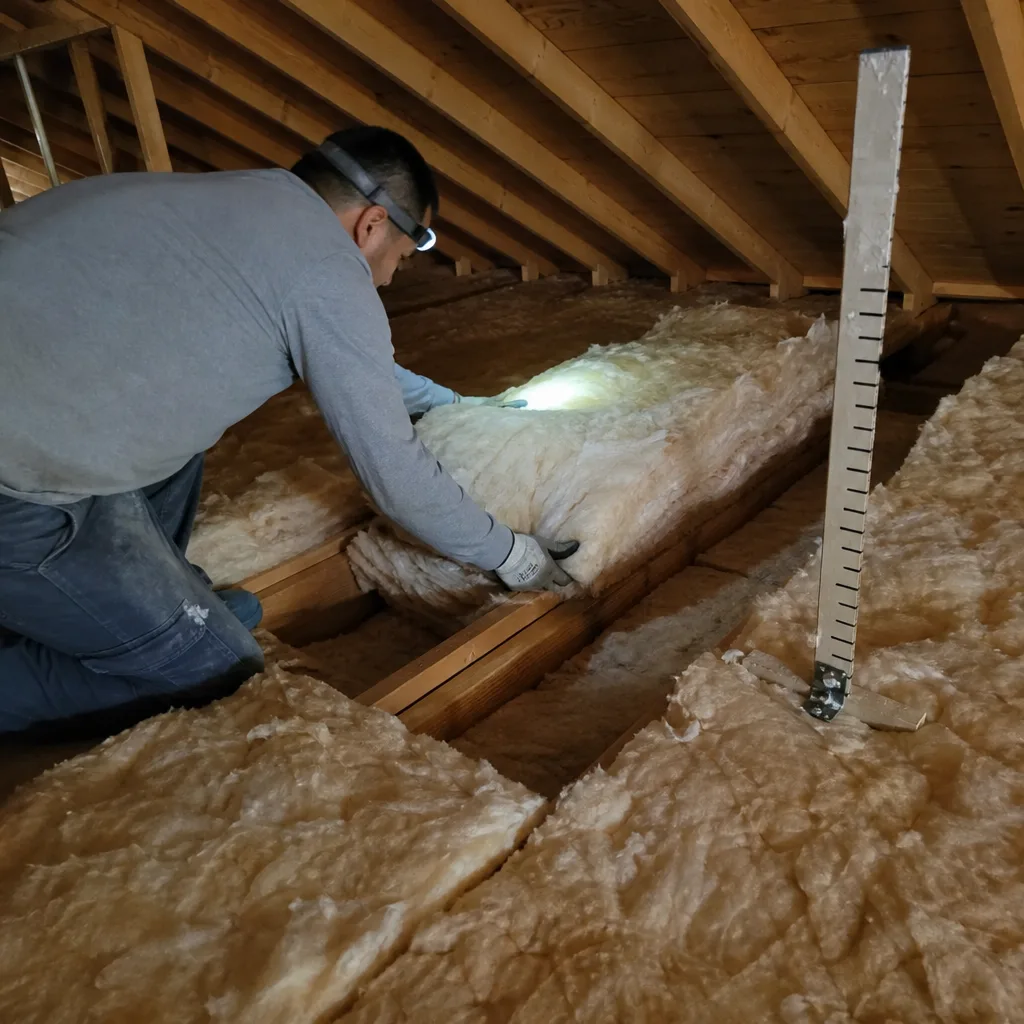
San Marcos has some specific characteristics that shift prices compared to what you might see quoted in Austin or New Braunfels. Here’s what actually moves the number on a job estimate:
- Current R-value and depth of existing insulation: Texas climate zone 2 and 3 requirements call for attic insulation at R-38 minimum; most Hays County homes built before 2005 have R-19 or less, meaning the job requires significantly more material to reach code-compliant depth. If you’re starting from R-13, you’re essentially doing a full install. If you’re topping off from R-30, you’re adding three or four inches. That difference alone can cut the material cost by 30 to 40 percent.
- Air sealing condition before insulation is blown: Blown-in insulation does not stop air movement – it slows heat transfer. If your attic floor has open top plates, unsealed can lights, or unsealed plumbing and electrical penetrations, conditioned air is leaving the house even with 16 inches of insulation on top of it. We seal those first, always, before any material goes in. The air-sealing phase typically adds $350 to $700 to the project, but it’s the part that actually changes your energy bill.
- Attic access and layout complexity: A simple gable attic with a 24-inch hatch and a 7-foot ridge is a straightforward install. Hip roofs common in San Marcos neighborhoods like Saddle Creek and Blanco Vista involve more corners, lower knee walls, and tighter framing bays – which means slower material placement and more labor per square foot. A second attic access point can reduce labor cost on larger homes.
- Insulation removal requirement: Some San Marcos homes we visit have original blown-in from the late 1980s that has compacted to nearly nothing, or older fiberglass batt that animals have nested in. Removing degraded or contaminated insulation adds $600 to $1,200 depending on volume, and it’s not optional if the existing material is pulling down performance or carrying biological contamination. Our Blown-In Insulation in San Marcos service page covers this in more detail.
- Local summer heat loading and radiant barrier interaction: San Marcos sits at the edge of the Hill Country, which means direct southwestern sun exposure on late afternoons with minimal natural shading in many subdivisions. Attic temps in August routinely hit 130°F to 145°F on west-facing roof decks. Adding a radiant barrier – a reflective foil layer on the underside of roof decking – can reduce that heat load by 20 to 30 percent before it even reaches your insulation. On jobs where homeowners want maximum performance, we evaluate whether a radiant barrier makes more economic sense than additional blown-in depth.
- Material choice and current supply pricing in Hays County: Cellulose and fiberglass blown-in are priced differently, and regional supply chain conditions in Central Texas in 2026 have kept both relatively stable. We source materials from Owens Corning, Johns Manville, Knauf, and GreenFiber – no proprietary product lock-in, which means we recommend what the job actually needs rather than what carries the highest margin. That said, cellulose currently runs about $0.75 to $0.95 per square foot installed at R-38 in San Marcos; blown-in fiberglass runs $0.90 to $1.15 per square foot installed at the same depth.
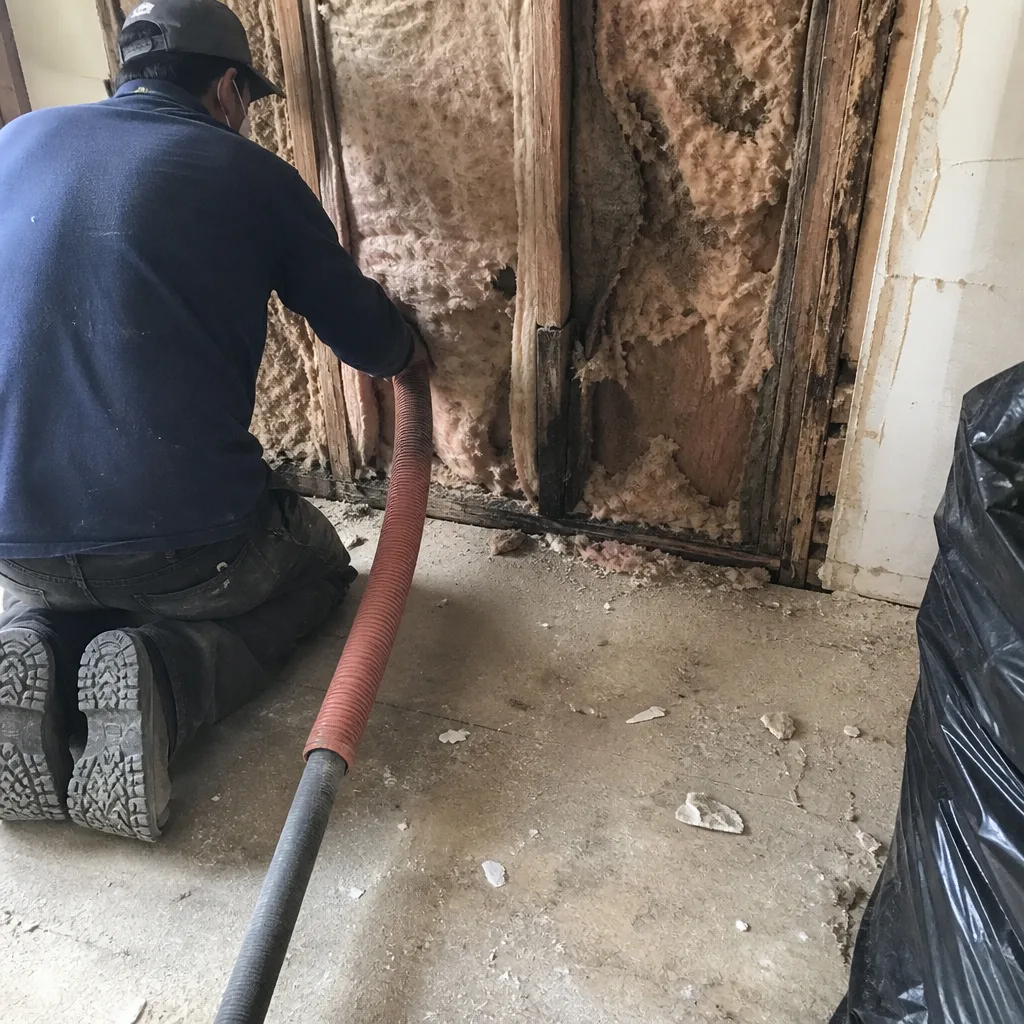 Before
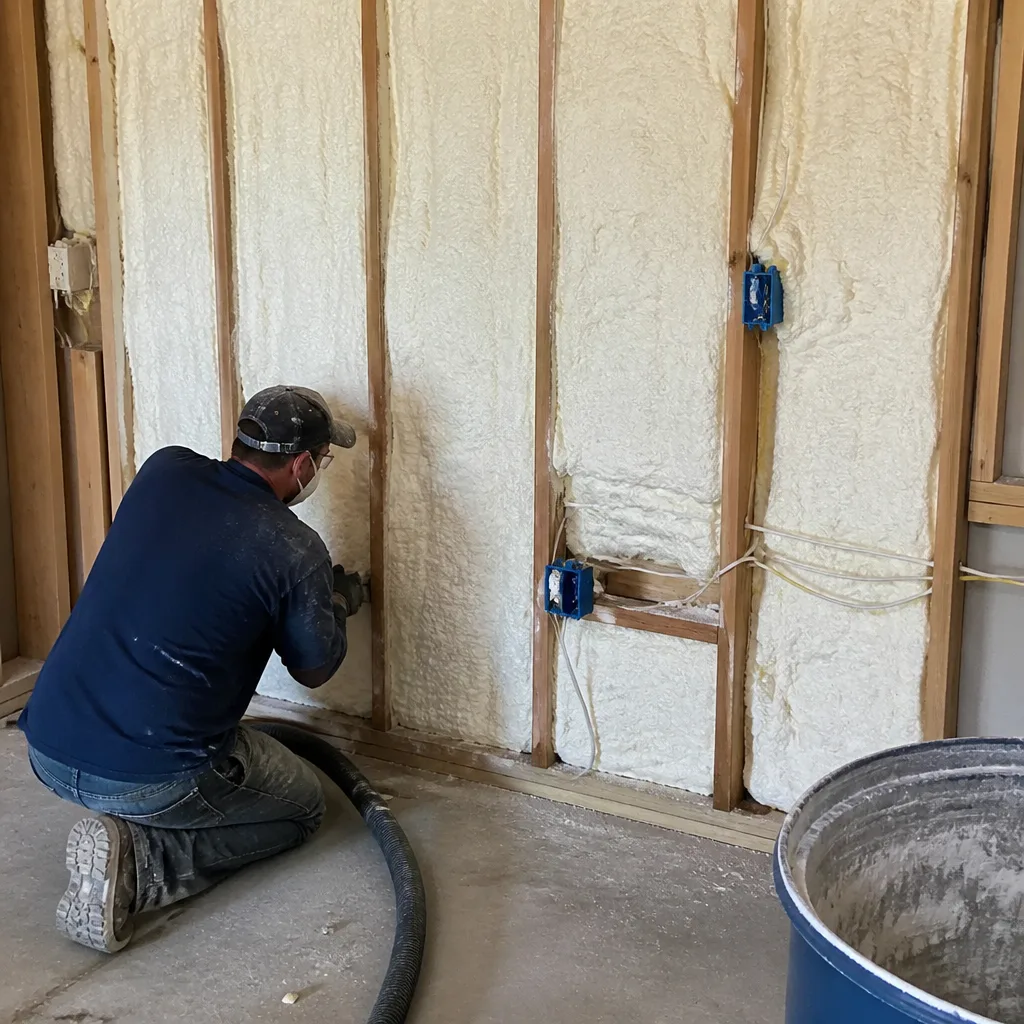 After
AfterBlower-Door Testing and What It Tells You About Your Attic
A blower-door test – a pressurization measurement that shows, in a single CFM50 figure, how much conditioned air your building envelope is losing – is the only honest way to know whether air sealing made a difference. On a typical San Marcos home with an unsealed attic floor, we see pre-sealing readings between 3,800 and 5,400 CFM50. After proper air sealing of top plates, can lights, and penetrations, that number routinely drops to 2,000 to 2,800 CFM50. That’s real, verifiable performance change – not an estimate or an assumption.
We publish those numbers on every applicable job. You’ll receive the before reading, the after reading, and a documented photo record of the penetrations that were sealed. That documentation is yours – it belongs in the home’s records, and it belongs on the table when you’re comparing bids from other contractors. If another quote doesn’t mention blower-door testing at all, that’s worth asking about.
Most insulation contractors in San Marcos blow material over whatever is already in the attic. The air leaks stay open. The energy bill stays high. The homeowner attributes it to Texas summers when the real problem is a building envelope that’s never been treated as a system.
San Marcos-Specific Cost Considerations You Won’t Find on National Sites
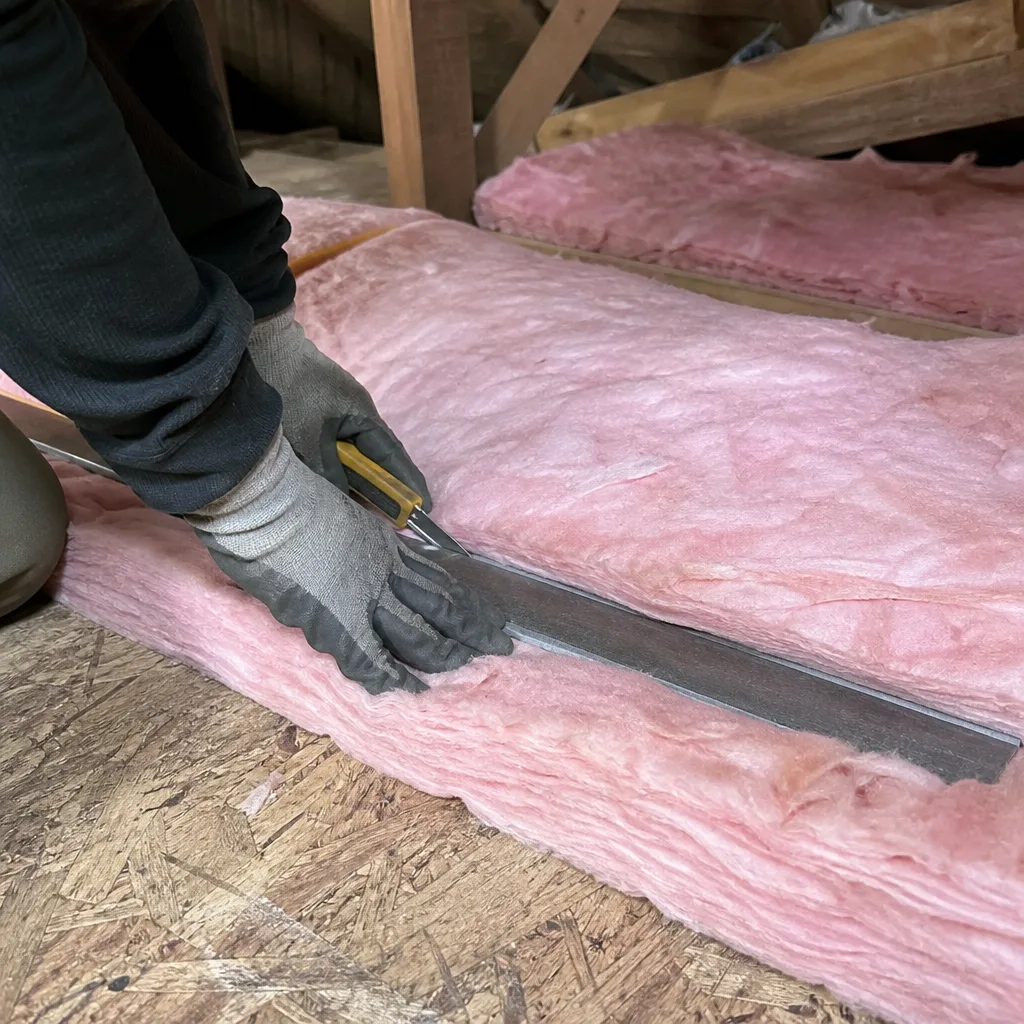
National pricing guides average across climates, housing vintages, and labor markets that have nothing to do with Hays County. Here’s what’s specific to San Marcos in 2026:
Housing stock vintage: A significant portion of San Marcos homes were built between 1985 and 2005, during a period when Texas energy codes required very little attic insulation. R-19 was common; some older homes near downtown San Marcos and the Texas State University corridor have original R-11 that’s been compressed over decades to near R-7 effective value. Bringing those homes to R-38 is a full material install, not a top-off, and should be priced accordingly.
Student rental history: Homes near Texas State that have cycled through rental tenants often have attic hatches that were never sealed, HVAC boots disconnected from grilles, and occasionally soffit vents that were blocked by blown-in material from a previous contractor. All of those conditions affect the scope and price of a proper job. We document everything we find with photos before touching anything.
Permit requirements: Most blown-in insulation jobs in San Marcos, TX do not require a city permit if the scope is insulation-only. However, if the project involves electrical work near or within the attic – such as relocating junction boxes or rerouting knob-and-tube – a permit is required from the City of San Marcos Building Services. We flag those conditions in the written scope before the job starts.
CPS Energy and LCRA rebate eligibility: Homes served by Pedernales Electric Cooperative (PEC) in parts of Hays County may be eligible for rebates on qualifying insulation upgrades – typically $0.10 to $0.25 per square foot, depending on the current program parameters. City of San Marcos utility customers should check with the San Marcos Electric Utility directly, as rebate programs change annually. We can tell you what documentation you’ll need for a rebate application, but we recommend confirming eligibility with your utility before the job starts.
How to Save on Blown-In Insulation in San Marcos
There are a few practical ways to reduce what you pay without cutting corners on performance.
Get a second opinion on any written estimate. We offer a free second opinion on any written estimate – bring us a competing quote and we’ll read it with you, line by line. Not every estimate describes the same scope. One contractor’s “$1,600 attic insulation job” may not include air sealing; another’s “$2,400 job” may include removal of existing material. You can’t compare those numbers without understanding what’s in each scope.
Don’t skip air sealing to save money. It seems counterintuitive, but skipping the $400 to $700 air-sealing step and blowing insulation over an unsealed attic floor is the single most common reason homeowners don’t see the energy savings they expected. The insulation slows heat conduction but doesn’t stop the air movement that accounts for 25 to 40 percent of a typical San Marcos home’s heating and cooling load. Paying for insulation without sealing first is paying for half a solution.
Time the job before summer load peaks. We’re typically busier between May and September in San Marcos – demand spikes when air conditioning bills arrive. Scheduling in late winter or early spring, before the rush, gives you more scheduling flexibility and sometimes better material availability. There’s no manufactured urgency here; it’s just practical scheduling.
Ask about utility rebates before the job, not after. Rebate programs require specific pre-installation steps in some cases – like a pre-inspection or enrollment period. If you wait until after the job is done to ask, you may have missed the window. We’ll walk you through what’s currently available for San Marcos homeowners at no charge.
Bundle air sealing with insulation on the same visit. Scheduling air sealing and blown-in insulation as a single visit rather than two separate appointments reduces setup time and can lower the combined price by $150 to $300. This is how we structure all our jobs anyway – seal first, then insulate, on the same crew visit wherever possible.
For a written price on your specific home and attic, call (737) 337-8049. There’s no obligation and no vague estimate – you’ll get a real number, in writing, before any work is scheduled.
What You Receive When the Job Is Done
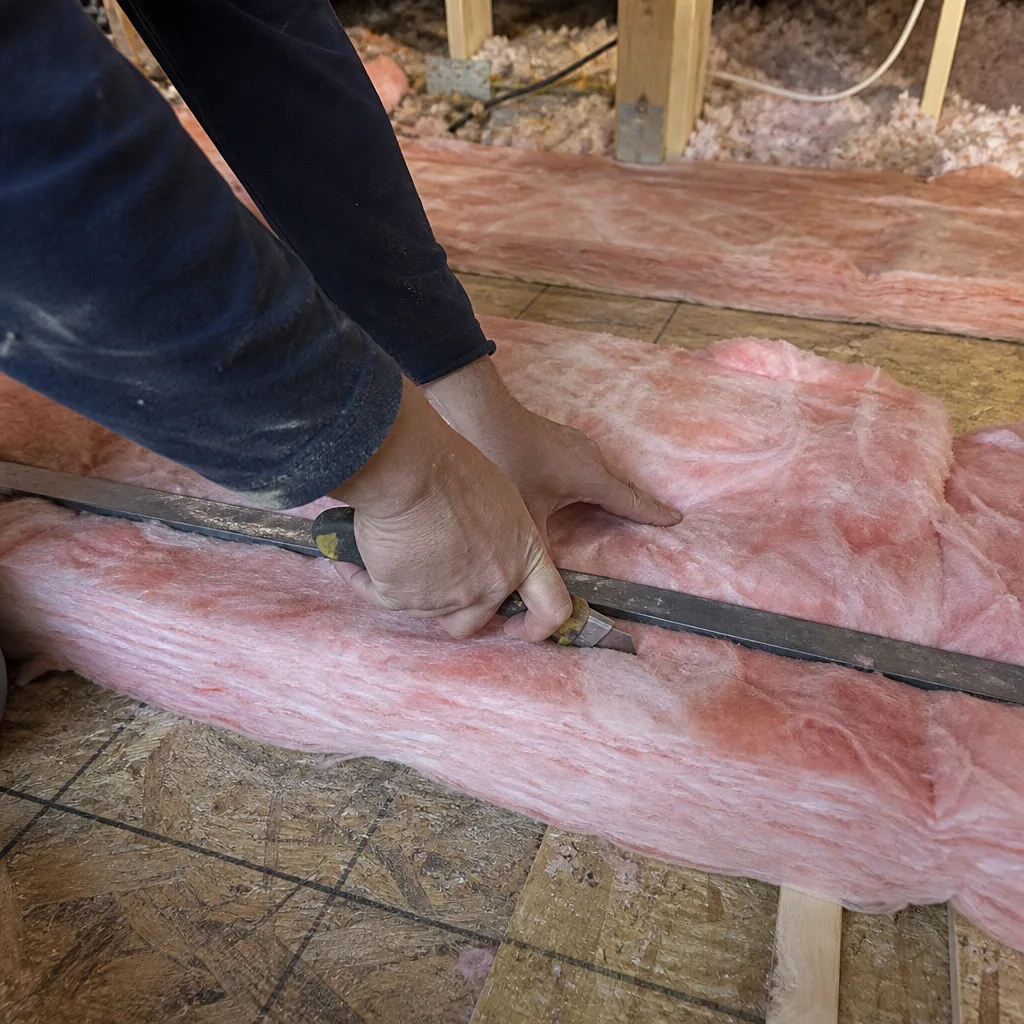
This matters more than most homeowners realize before they start shopping for quotes. A lot of contractors finish a job and leave. Here’s what leaves with us on every San Marcos job:
- Written scope and written warranty – delivered before anyone starts work, not mailed afterward
- Documented photo record – photos of the attic before and after, penetrations sealed, material depth in multiple locations. Standard on every visit, not available on request.
- Before-and-after blower-door readings – on applicable jobs, the CFM50 reading before air sealing and after, so you can see the performance change in a single number
- 365-Day Done Right Promise – if it’s not done right, we come back and make it right. That’s in writing, not a verbal assurance.
- Material documentation – what was installed, at what R-value, from which manufacturer
Under the Haven Standard, the documentation isn’t optional and it isn’t extra. It’s what the job looks like when it’s finished.
FAQs: Blown-In Insulation Cost in San Marcos, TX
How much does blown-in insulation cost per square foot in San Marcos?
Blown-in insulation in San Marcos runs approximately $0.75 to $1.15 per square foot installed, depending on material (cellulose vs. fiberglass), target R-value, and whether air sealing is included. Cellulose to R-38 is typically toward the lower end of that range; blown-in fiberglass to the same depth runs toward the higher end. That per-square-foot figure applies to the attic floor area, not the roof square footage. For a written price on your home specifically, call (737) 337-8049.
Is blown-in insulation cheaper than batt insulation in San Marcos?
For attic floors, blown-in is generally $0.10 to $0.25 per square foot cheaper than batt when comparing installed cost, and it covers irregular framing and penetrations more consistently. In San Marcos attics with complex framing or lots of HVAC equipment, blown-in also installs faster, which reduces labor time. For walls, the comparison shifts – blown-in retrofit wall insulation requires drilling and patching, which adds cost that batt installation in new construction doesn’t carry.
Does blown-in insulation include air sealing in San Marcos?
It depends entirely on the contractor. Most contractors in San Marcos do not include air sealing – they blow material over whatever is already there. At Envelope Insulation Co., air sealing of top plates, can lights, and penetrations is completed before any insulation is added, every time. It’s not an upsell; it’s part of what we mean by treating the building envelope as a system. That air-sealing phase typically adds $350 to $700 to the project total, and it’s the part that actually changes the blower-door reading.
How long does blown-in insulation last in San Marcos’s climate?
Properly installed blown-in fiberglass or cellulose should maintain functional R-value for 20 to 30 years under normal conditions. San Marcos’s heat load accelerates the degradation of improperly installed material or material placed directly against a very hot roof deck without a radiant barrier. Cellulose can compact slightly over time – typically 10 to 15 percent over a decade – which is factored into the installation depth. If your blown-in is more than 15 years old and your energy bills have been climbing, a depth check and blower-door test will tell you exactly what you’re working with.
Can I get a blown-in insulation estimate without someone coming to my house?
A rough range, yes – but not a written price. A written price requires a physical attic inspection, because existing insulation depth, air-sealing condition, attic access, and any removal requirements all affect scope and cost. What we can tell you before the visit: what we look for, what we document, and what the written price will include. Schedule the inspection and you’ll have a flat written price in hand before any decision is required. Call (737) 337-8049 or reach out online – a live person answers, not a voicemail system.
Is it worth adding a radiant barrier in San Marcos instead of more blown-in insulation?
For many San Marcos homes, a radiant barrier installed on the underside of the roof decking reduces attic heat load more cost-effectively than increasing blown-in depth beyond R-38. A radiant barrier reflects radiant heat before it conducts into the attic space; blown-in insulation slows conduction once heat is already in the attic. In homes with western or southwestern roof exposure – common in newer San Marcos developments near the IH-35 corridor – combining R-38 blown-in with a radiant barrier often delivers better cooling-season performance than R-60 blown-in alone. We evaluate both options on every attic assessment and give you the numbers to compare.
Why the Order of Operations Matters
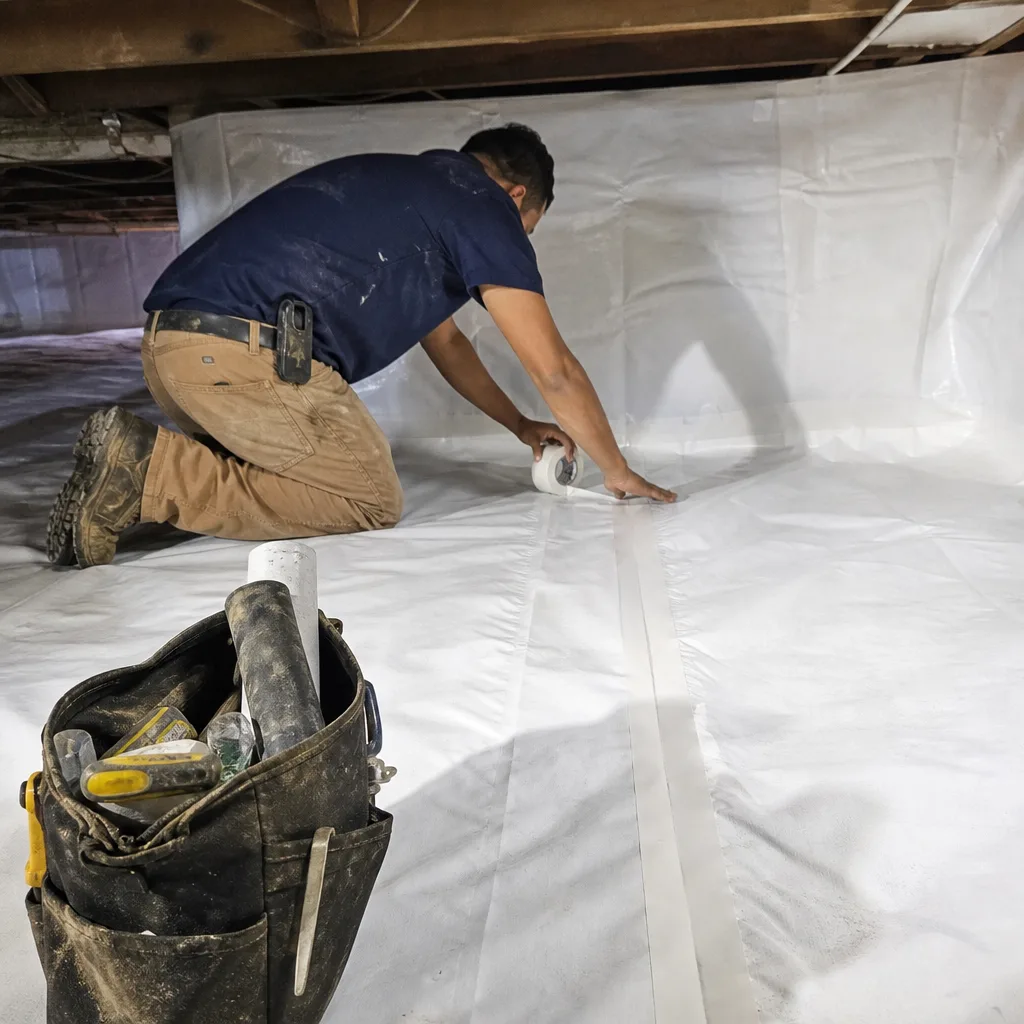
San Marcos summers don’t leave much margin for a building envelope that’s only half-addressed. The sequence that produces a measurable result is: blower-door baseline, air seal all penetrations, blow insulation to target depth, final blower-door reading. That sequence produces a before number, an after number, and a documented record of what changed.
Skipping the air sealing step – or doing it after the insulation is already in place, which makes it nearly impossible to seal properly – is the most common reason homeowners in San Marcos report no change in comfort or energy bills after paying for insulation. The insulation isn’t the problem. The unsealed attic floor underneath it is.
Wes Okafor and the team at Envelope Insulation Co. have followed this sequence on every applicable job since 2016. Over 9,000 homes sealed and insulated in that period, each one with a written price before work started and a documented record when the crew left. That’s not a marketing claim – it’s what the Haven Standard requires, and it’s what the blower-door numbers confirm.
If you want to see what that looks like on your specific home in San Marcos, the starting point is a written estimate. No vague ranges, no “call for pricing” – a real number, in writing, based on what we find in your attic. That’s what every job here looks like from the start.
To learn more about what we cover across the full building envelope, visit our home page. Or if you’re ready to get a price on your specific project, call (737) 337-8049. A live person answers.
Key Takeaways
- Blown-in insulation in San Marcos costs $1,400 to $3,200 for most homes between 1,200 and 2,800 square feet, installed to R-38
- Material cost runs $0.75 to $1.15 per square foot installed depending on material type and target R-value
- Air sealing ($350 to $700) should always precede blown-in installation – skipping it is the most common reason homeowners see no energy savings
- Insulation removal adds $600 to $1,200 when existing material is degraded or contaminated
- Before-and-after blower-door readings are included on applicable jobs – you get the CFM50 numbers, not a description of how the job went
- A written price is provided before any work starts, every time – Haven Standard Clause 1
- The 365-Day Done Right Promise applies to all completed work, in writing
- Check utility rebate eligibility with Pedernales Electric or San Marcos Electric Utility before the job starts, not after
Get a Written Price for Your San Marcos Home
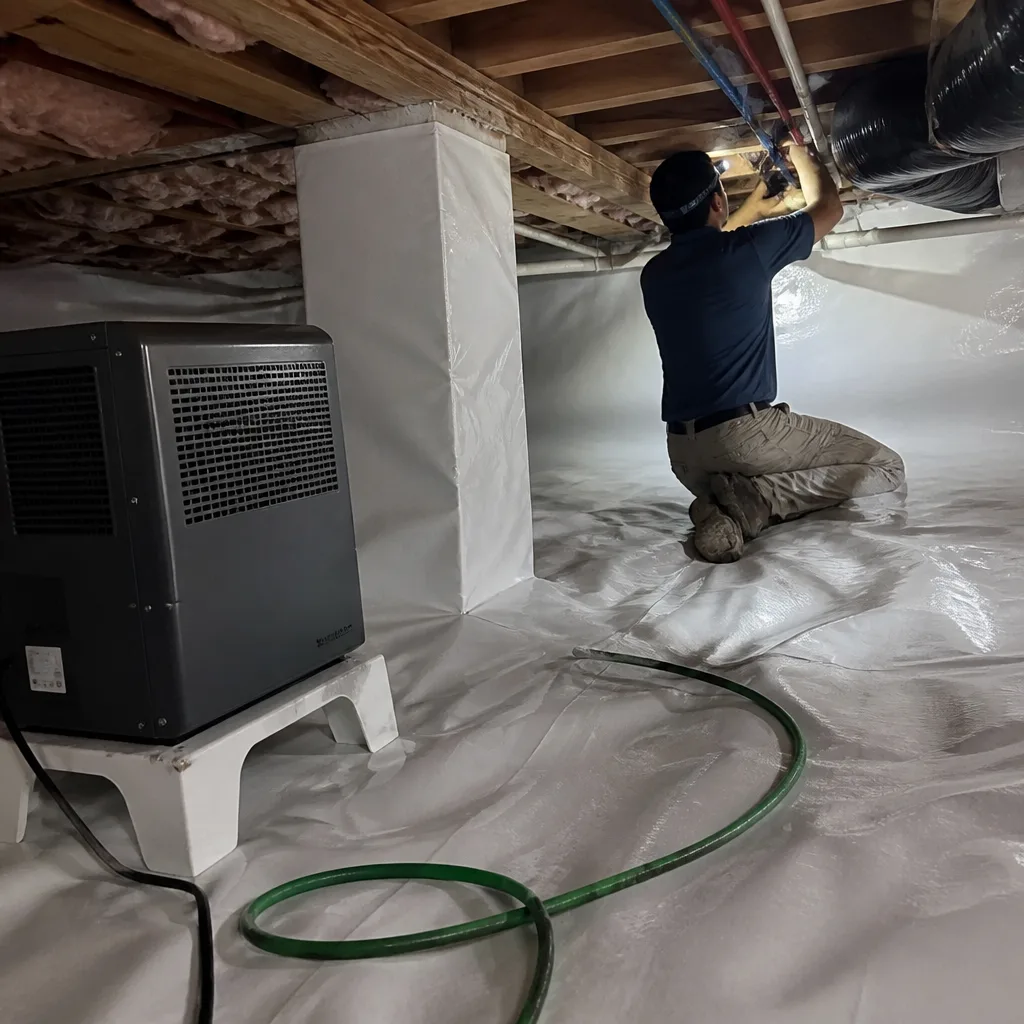
If your San Marcos home’s energy bills have been climbing, or you’ve never had the attic assessed since you bought the house, a written estimate costs nothing and gives you a real number to work with. Wes Okafor leads every project under the Haven Standard – written price, documented photo record, before-and-after blower-door numbers, and the 365-Day Done Right Promise, all in writing before anyone lifts a tool.
Call (737) 337-8049 for a free estimate. A live person answers. If you have a written estimate from another contractor and want a second opinion, bring it – we’ll read it with you, line by line, at no charge.
Pricing reflects the San Marcos market as of 2026. Topside Attic Insulation San Marcos offers free estimates – call (737) 337-8049.
Written by Wes Okafor, Owner at Envelope Insulation Co., serving San Marcos, TX since 2016.
What Our Customers Say
"They photographed rodent damage in the old insulation that we had no idea about, and priced the exclusion work separately so we could decide."
- Harriet N."Turned up on time, protected the hallway, and the written scope matched what was actually done."
- Bruno S."They air-sealed the attic floor before insulating and showed me the blower-door number before and after. The upstairs is finally the same temperature as downstairs."
- Marisol D.