
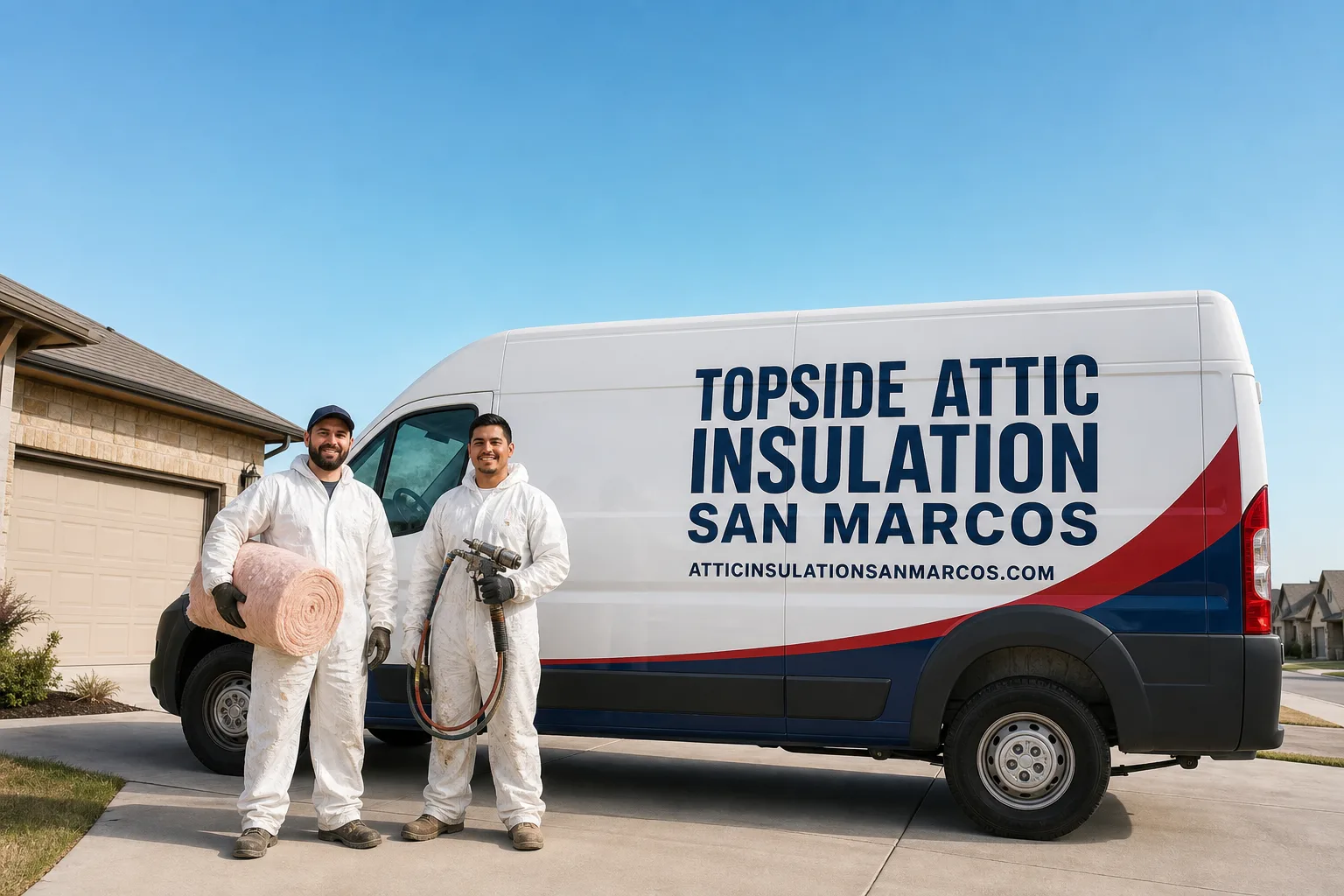
Fast, Reliable Blown-In Insulation Across Shady Hollow
Blown-in insulation in Shady Hollow typically runs $1.80 to $3.20 per square foot of attic floor, with most complete attic jobs falling between $2,400 and $5,800 depending on whether we’re topping up settled material or starting from an empty cavity. Our crews are on the road from our Austin dispatch office and usually reach Shady Hollow properties within 45 minutes to an hour. Call (737) 337-8049 for a written price before any work starts.
We’ve worked in enough Shady Hollow homes to know the pattern: ranch-style and two-story brick-veneer tract houses built during the 1980s and 1990s south of Slaughter Lane, original blown fiberglass settled to a fraction of its labeled R-value, and pull-down attic stairs that were never sealed at the rough-framing stage. That specific construction history matters because it determines what we find, what we fix first, and what the job actually costs.
Why Topside Attic Insulation San Marcos Is Shady Hollow’s Preferred Blown-In Insulation Company
Our Shady Hollow customers come from referrals on Gatlin Creek Drive, from the neighborhoods off Slaughter Lane, and from homeowners who’ve watched us work on neighboring properties. We don’t advertise much in Shady Hollow itself. Word travels when a crew shows up on time, names the technician by text, and leaves behind a documented photo record and blower-door numbers.
Reviews from Shady Hollow homeowners mention the same things repeatedly: the written price that didn’t change, the photo folder they received, and the upstairs thermostat that finally stopped cycling. We’re not going to quote a star count we can’t verify, but we will say that our 365-Day Done Right Promise applies to every job in Shady Hollow, and we’ve honored it on callbacks where the fix was ours to make.
Response time to Shady Hollow is typically same-day or next-day for standard appointments, and our live-answered line means you’re not waiting through voicemail loops when attic temperatures are pushing 155°F and your upstairs bedrooms won’t cool below 78°F. Dispatch is coordinated from our Austin office, but the crew that arrives knows Shady Hollow’s specific housing stock: the shallow 2×4 rafter cavities, the open-truss designs, the volume-builder shortcuts that show up house after house.
Local knowledge that matters: Shady Hollow’s unincorporated county status historically meant fewer mandatory energy-code checkpoints during the original construction boom. That’s not a political observation; it’s a physical reality we encounter in attic after attic. The homes were built to pre-modern Texas energy codes, and the insulation was never designed for the 100°F+ summers that now define July and August in south Travis County.
Our Blown-In Insulation Services in Shady Hollow
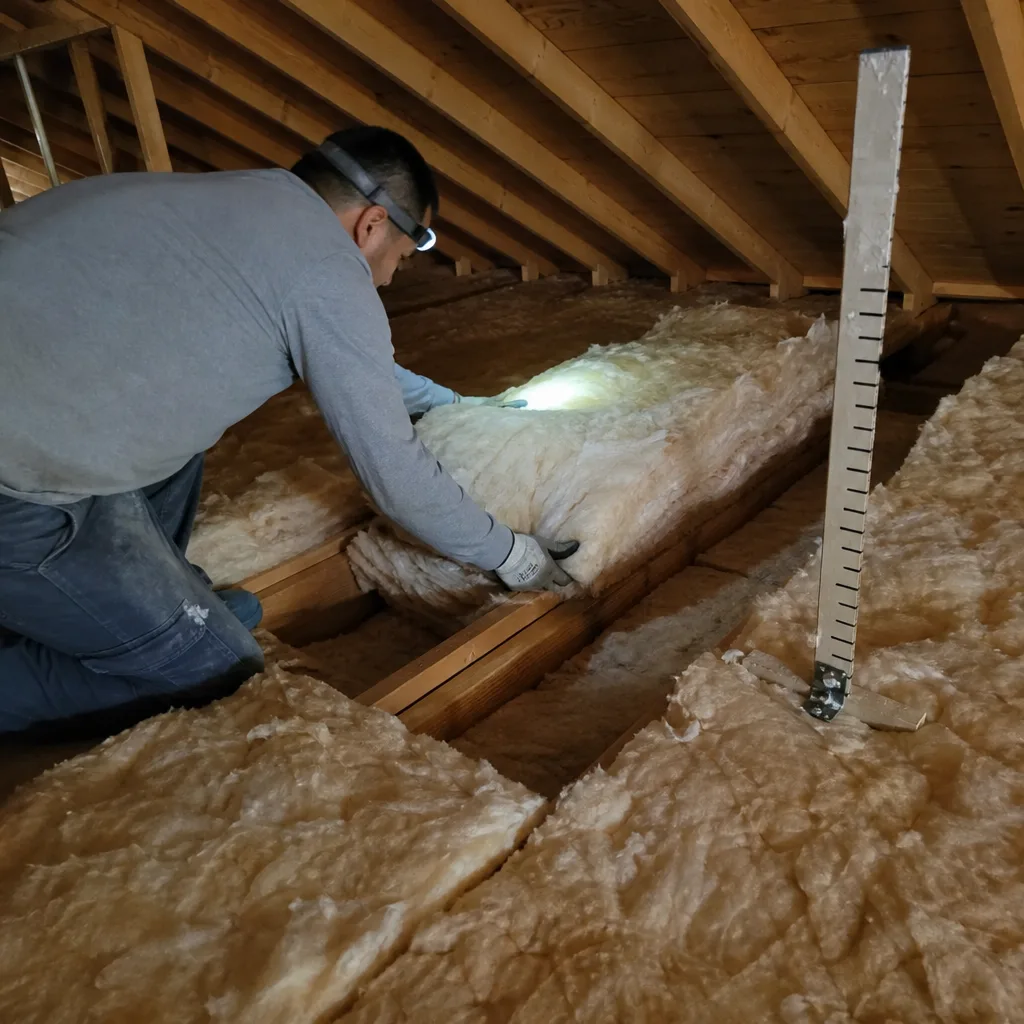
Blown-In Cellulose
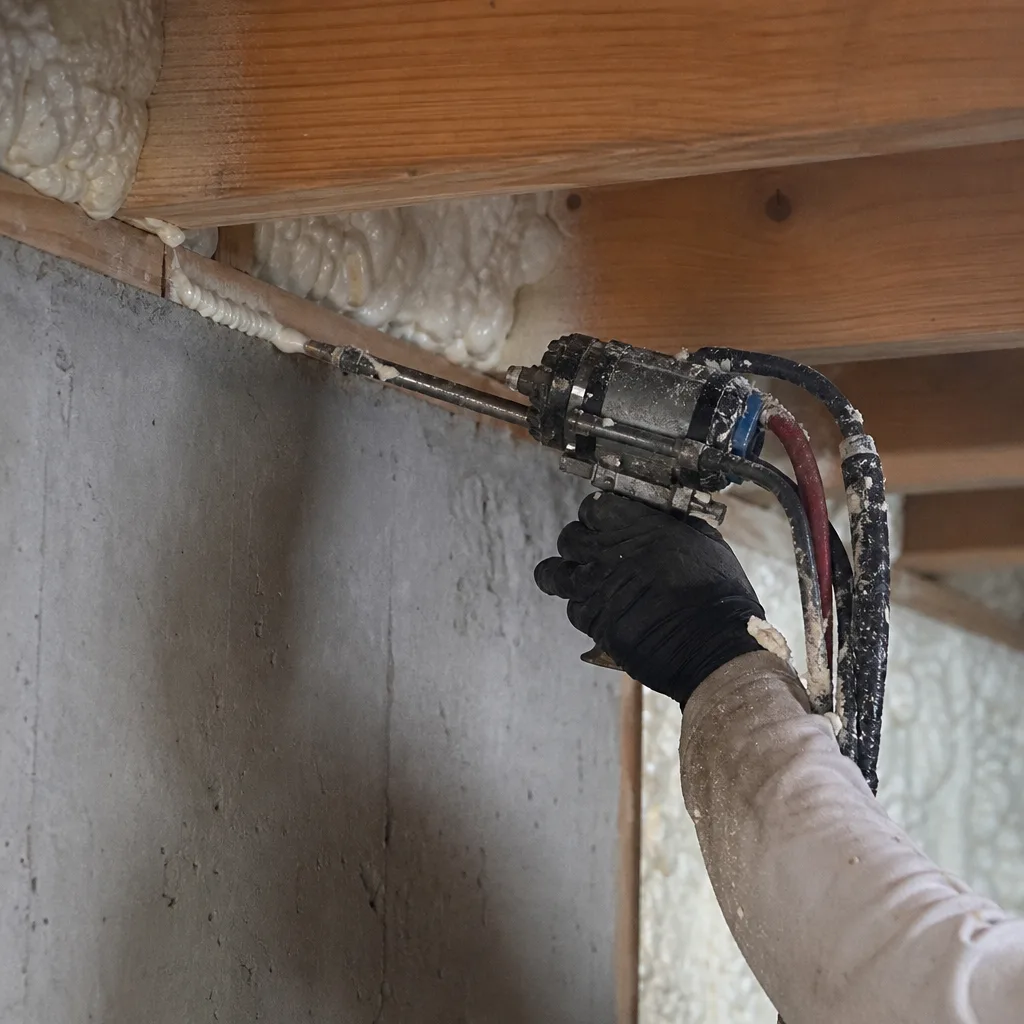
We blow GreenFiber cellulose in most Shady Hollow attics where the original fiberglass has settled below R-15 and the homeowner wants a complete replacement. Cellulose performs better in our climate zone because it resists the convective looping that happens when hot attic air migrates through loose fiberglass on 100°F days. At a two-story brick-veneer tract home off Gatlin Creek Drive, our crew found the original R-19 blown fiberglass settled to about R-10, and the pull-down attic stairs had zero weatherstripping or insulation board over the opening - you could feel heat pouring down the stairwell. We air-sealed the stair box with Icynene foam, built a rigid dam at the opening, and blew in GreenFiber cellulose to R-49, and the homeowner’s upstairs thermostat stopped cycling nonstop by late afternoon. For homes where spray foam insulation in Shady Hollow is the better fit, we specify that instead.
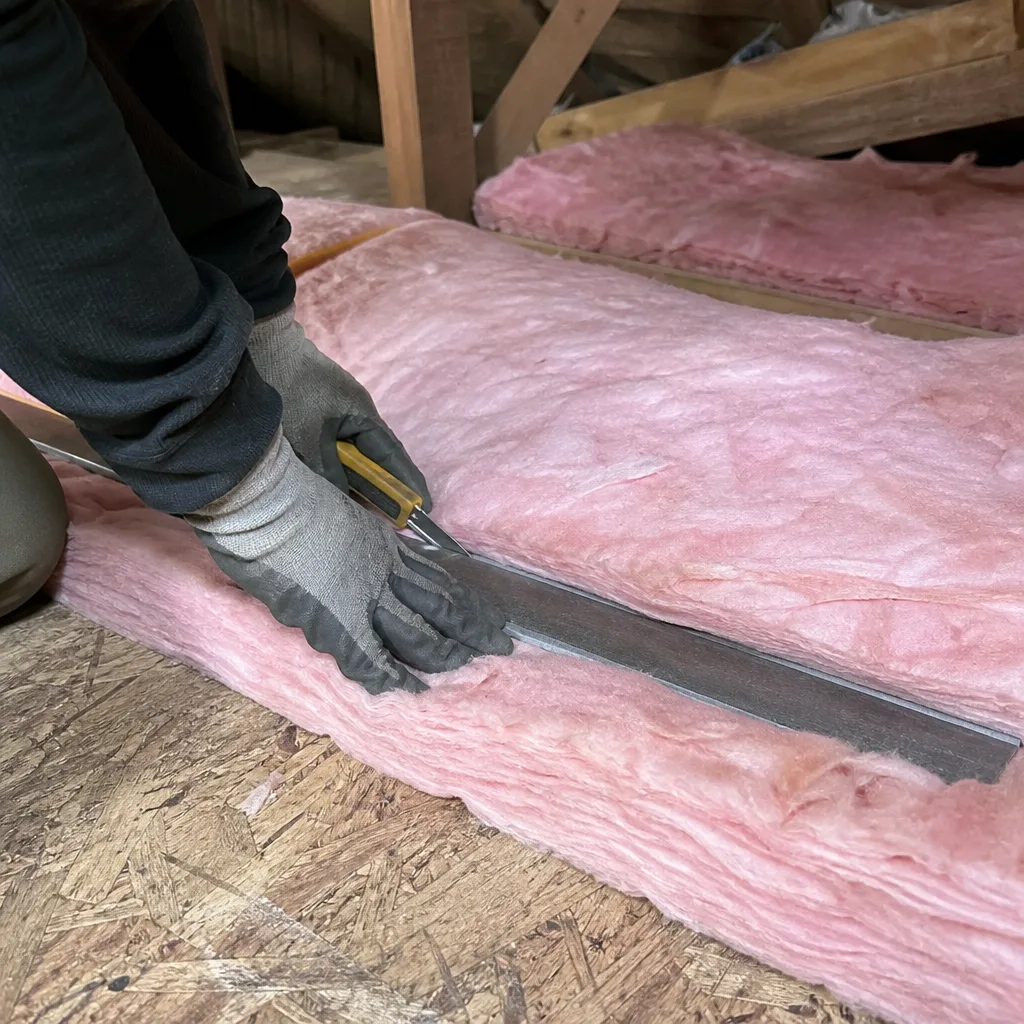
Blown-In Fiberglass
When Shady Hollow homeowners prefer fiberglass for specific material reasons - allergy sensitivities, combustion-zone concerns, or compatibility with existing layers - we source from Knauf and CertainTeed. Blown fiberglass works best as a top-up over existing fiberglass that’s still in reasonable condition, or in attics where we need to fill deep open-truss cavities quickly. The key is that we never blow new material over an unsealed attic floor. Top plates, can lights, and penetrations get sealed first. That’s not an upsell. It’s the order the work has to happen in.
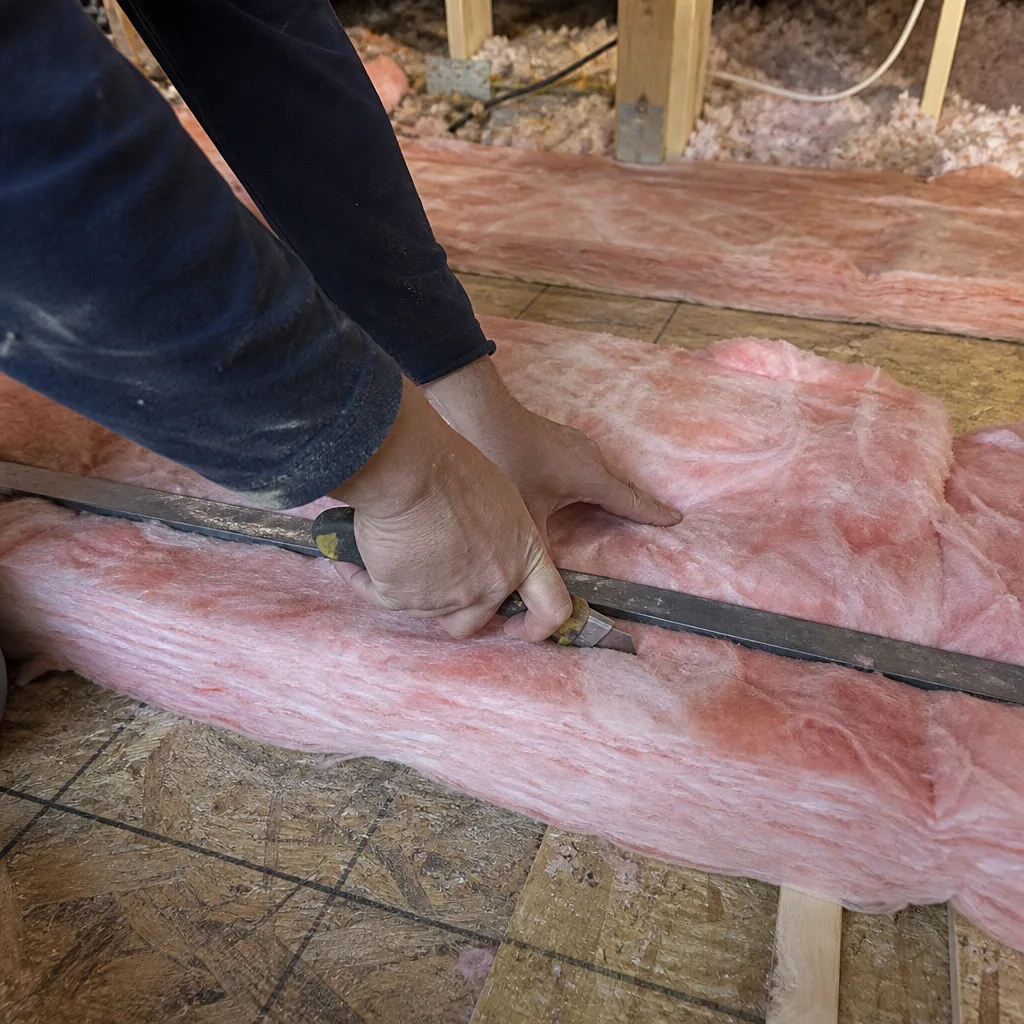
Dense-Pack Wall Insulation
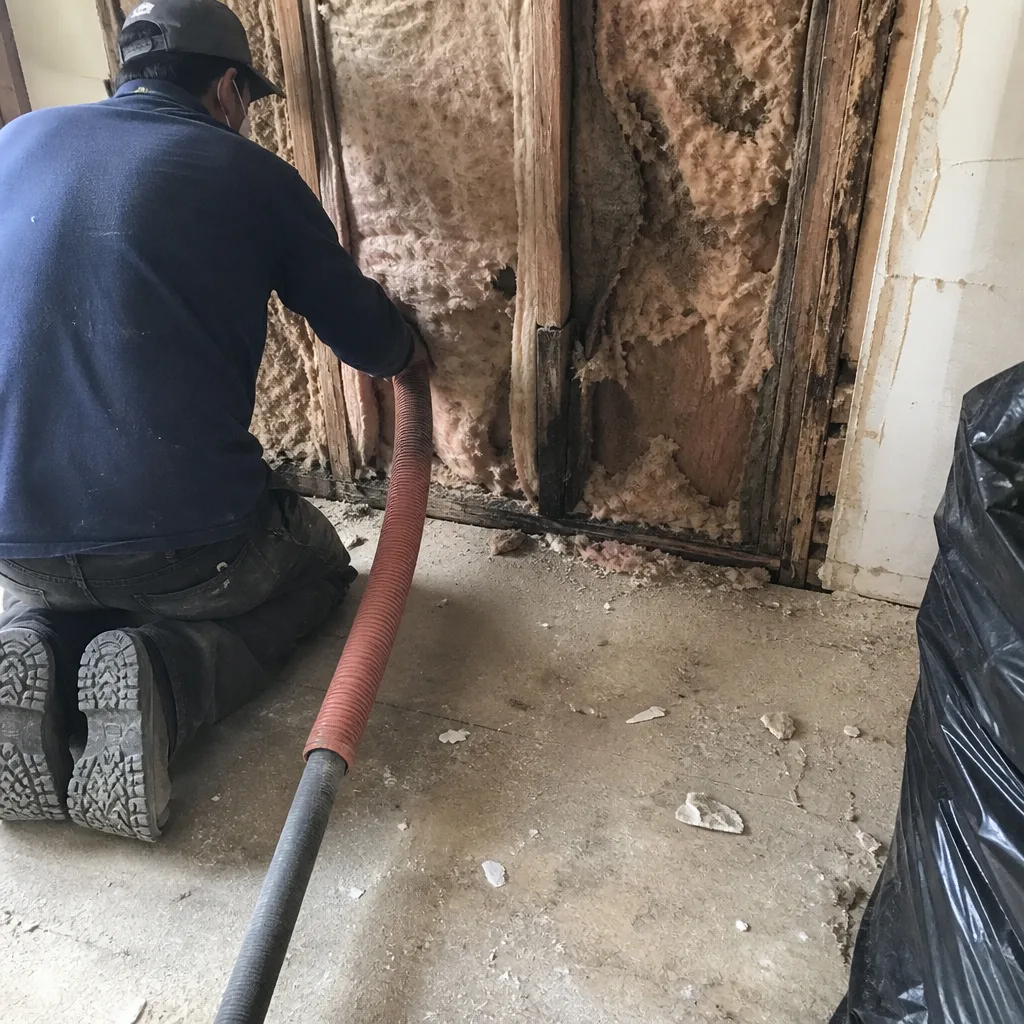
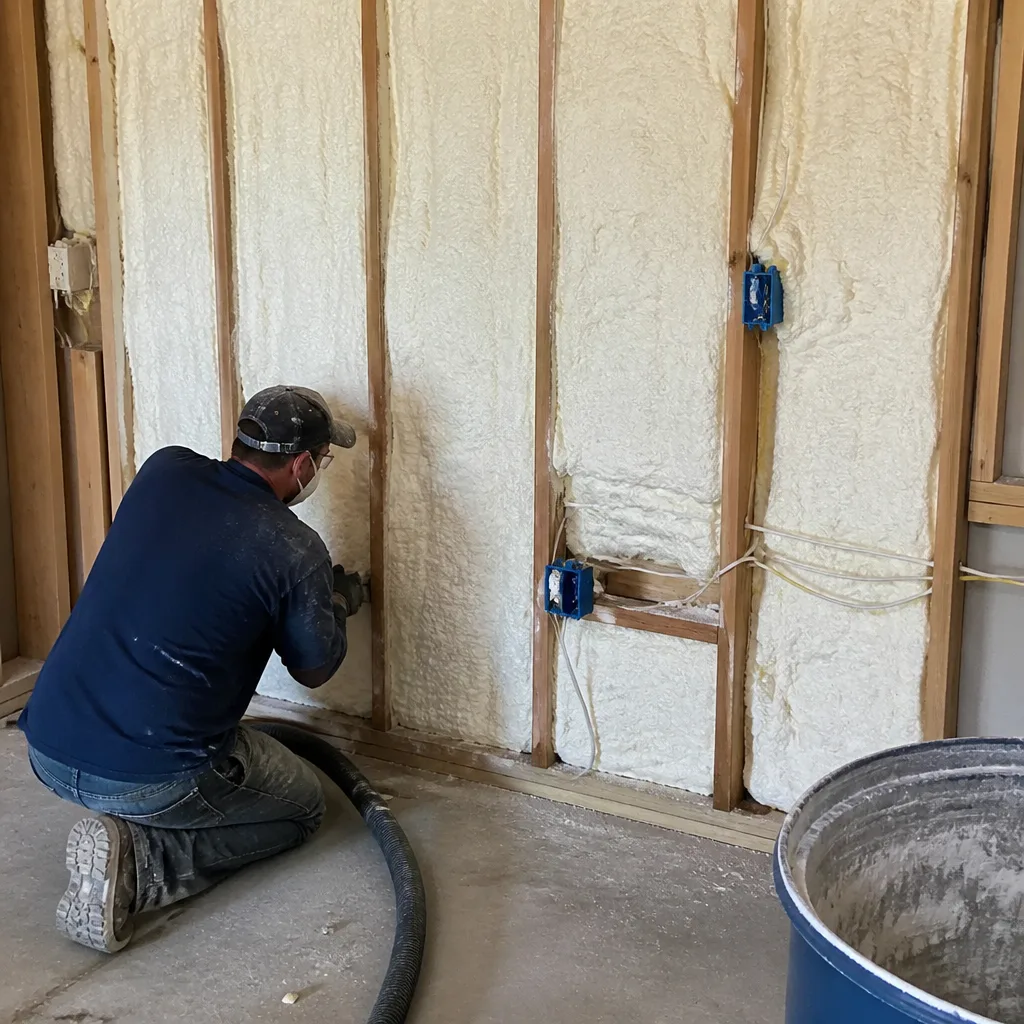
Shady Hollow’s 1980s-90s brick-veneer tract homes were built with empty stud cavities in exterior walls - no insulation at all in many cases. Dense-packing fills those cavities from the interior through carefully drilled access holes, without removing brick or drywall. We use a calculated fill density that prevents settling over time, and we verify coverage with thermal imaging after the work. This is the single most effective upgrade for homeowners whose main complaint is wall-to-wall temperature variation on the first floor, especially in ranch-style homes with long east-west exposures.
Blown-In Top-Up
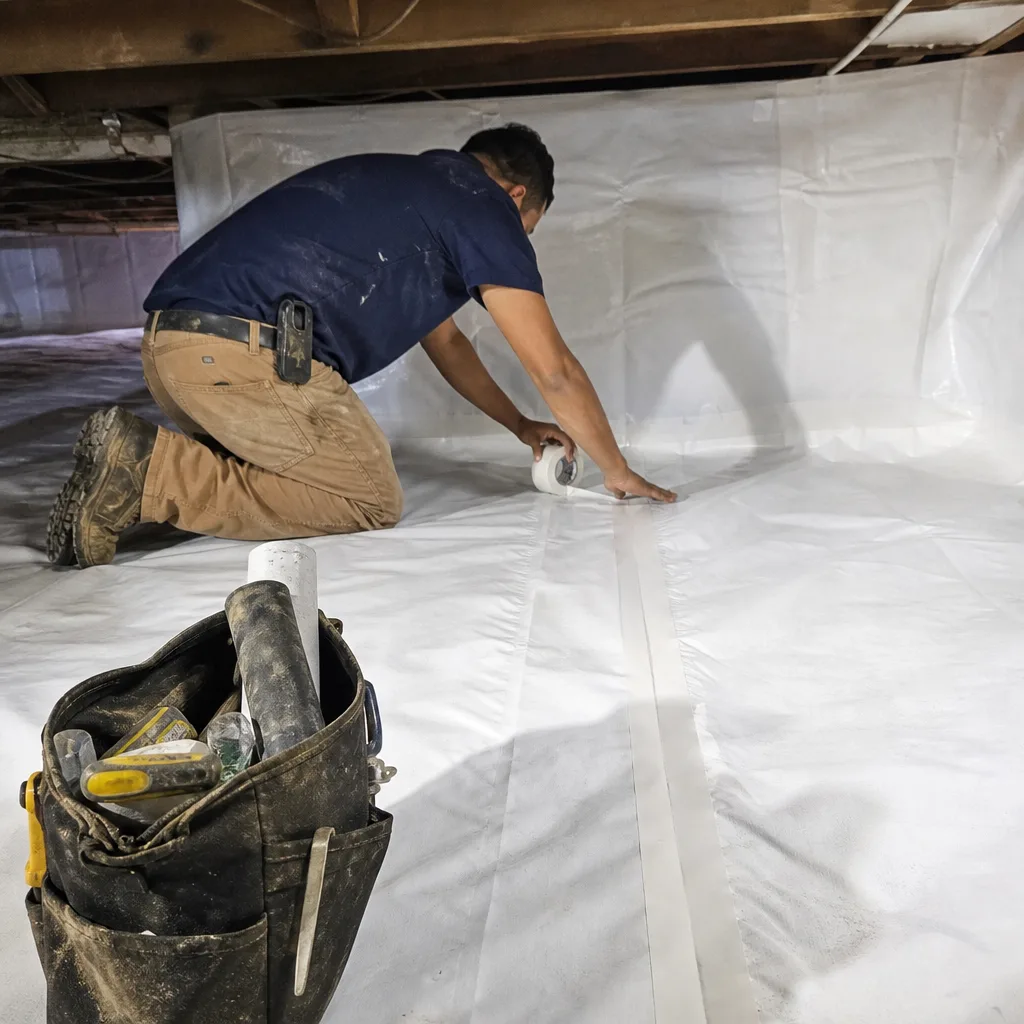
Not every Shady Hollow attic needs a full gut. If your original blown fiberglass is still reasonably distributed but has settled from R-22 to R-14, a top-up with matching or upgraded material can bring the assembly to R-38 or R-49 for significantly less than a complete replacement. We assess this honestly. If the existing material is degraded, compressed by previous foot traffic, or contaminated, we’ll tell you. If it’s simply settled and the air sealing is the bigger problem, we’ll name that too. Our Blown-In Insulation team documents the existing condition with photos before recommending a scope.
What happens when you call
- 1
A real person answersNo phone trees - you reach a local pro.
- 2
You get an upfront price rangeHonest numbers before anyone is dispatched.
- 3
A background-checked tech heads outLicensed & insured, dispatched right away.
- 4
You approve before work beginsNothing starts until you say go.
 Before
 After
AfterTrusted Brands We Service in Shady Hollow
We stock Knauf, Rockwool, and CertainTeed materials for Shady Hollow jobs, with no proprietary lock-in that limits your options. Owens Corning, Johns Manville, Icynene, and GreenFiber are available by specification when a particular assembly or homeowner preference calls for them. The brands matter less than the installation detail: density, complete coverage, and air sealing done in the correct sequence. We source locally and carry standard materials on our trucks, which means we’re not waiting on a delivery to finish your attic. The written scope you receive before work starts names the exact product and installed R-value, not a generic description.
Common Blown-In Insulation Problems We See in Shady Hollow Homes
- Settled original blown fiberglass in shallow cavities. The 2×4 rafter cavities and open-truss attics in Shady Hollow’s 1980s-90s homes were originally blown to R-19 or R-22. After thirty-plus years of thermal cycling and gravity, we routinely measure effective R-values of R-10 to R-14. The material looks “full” at a glance because the truss webbing holds it in place, but the thermal performance is gone.
- Unsealed pull-down attic stairs acting as thermal chimneys. This is the signature Shady Hollow defect. Volume builders in south Travis County during the late 1980s and 1990s left attic stair openings completely uninsulated and unsealed at rough framing. Every time that stair panel drops, you’re opening a direct chimney between 155°F attic air and your conditioned hallway. New insulation is irrelevant if this bypass remains open. We foam and dam every one before blowing.
- Open-truss assemblies with careless blowing patterns. Shady Hollow’s open-truss attics have no decking, which forces technicians to work from the perimeter and tight kneewall accesses. Inexperienced crews leave low spots over the rooms you actually live in while piling extra depth over soffits where it does nothing. We map the attic with photos and verify complete coverage before we leave.
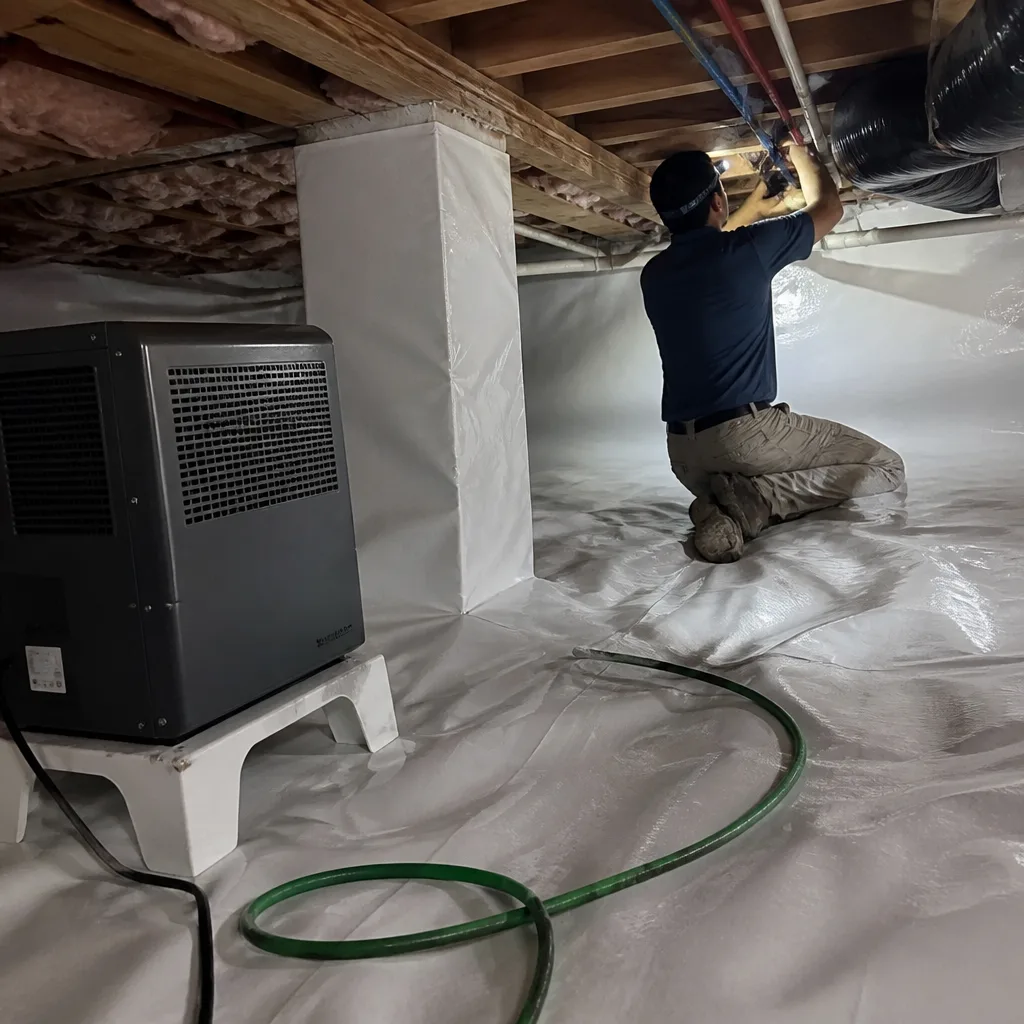
- February 2021 freeze damage to rim joists and crawl spaces. The cold infiltration that week exposed how poorly 1980s-90s construction handles air movement at the foundation level. Many Shady Hollow homeowners are now pairing attic blown-in work with crawl-space sealing or spray-foam rim-joist treatment. We scope this as a building envelope job, not an attic-only fix.
Pricing for Blown-In Insulation in Shady Hollow, TX
A typical blown-in top-up in a Shady Hollow ranch or two-story home runs $1,800 to $3,400. Complete removal of settled existing material and replacement with blown cellulose or fiberglass to R-38 or R-49 runs $2,800 to $5,800. Dense-pack wall insulation for a standard 1,800-2,400 sq ft home runs $3,200 to $6,500 depending on cavity count and interior finish protection required.
What moves the number: attic square footage, current insulation condition, accessibility (decking vs. open truss), whether air sealing is extensive or minimal, and whether we’re working around stored items or a clean space. Every Shady Hollow job gets a written price before any work starts, under Haven Standard Clause 1. No exceptions. We also offer a Free Second Opinion on any written estimate you’ve received - bring us the competing scope and we’ll read it with you.
Call (737) 337-8049 for an exact written price. Estimates are free, and the scope you receive names the material, the installed R-value, and the air-sealing detail.
We Also Serve Cities Near Shady Hollow
Our crews work throughout the south Travis County and Hays County corridor, including Blown-In Insulation in Shady Hollow and surrounding communities. We regularly dispatch to San Marcos, Redwood, Kyle, and Lockhart for attic insulation, wall dense-packing, and building envelope audits. The same written-price standard and documented photo record apply on every job, regardless of distance.
Serving Shady Hollow, TX - Our Local Coverage Area
We’re based in the Shady Hollow area and know this community well. Use the map below to see our service coverage - if you’re nearby, we can almost certainly help.
FAQs - Blown-In Insulation in Shady Hollow
Sometimes we can top up, sometimes we need to remove. If the original blown fiberglass is simply settled but not degraded, compressed, or contaminated, we’ll blow new material over it after air sealing. If it’s been walked on repeatedly, shows rodent activity, or has degraded to the point where it’s no longer a stable substrate, removal and replacement is the right scope. We photograph the existing condition and show you before we recommend either path. Call (737) 337-8049 for a free assessment with photos.
Yes, if it’s paired with proper air sealing. Blown-in insulation alone won’t stop the radiant heat gain or the air leaks that let 155°F attic air infiltrate your ductwork and top plates. We seal first, then insulate, and we verify the result with before-and-after blower-door numbers. In Shady Hollow’s climate, the combination of sealed top plates, dammed attic stairs, and R-49 blown cellulose typically reduces upstairs temperature swings by 8-12°F on peak summer days. Call (737) 337-8049 and we’ll show you the blower-door protocol.
We default to GreenFiber cellulose for complete replacements because it handles convective heat gain better in our climate, but we’ll match existing fiberglass or specify Knauf or CertainTeed blown fiberglass if your situation calls for it. The written scope names the exact material before anyone lifts a tool. No generic descriptions. Call (737) 337-8049 to discuss which material fits your specific attic condition.
Yes. We access wall cavities from the interior through strategically drilled holes, typically behind baseboards or in closets where repair is minimal. The brick veneer stays in place. We dense-pack to a calculated density that prevents settling, then verify with thermal imaging. Most Shady Hollow brick-veneer tract homes from the 1980s and 1990s have empty stud cavities, so this is often the single biggest comfort upgrade available. Call (737) 337-8049 for a written price on your specific wall count.
The unsealed, uninsulated pull-down attic stair. It’s nearly universal in Shady Hollow’s volume-built 1980s-90s housing stock. The stair opening was never framed with a dam, never fitted with weatherstripping, never covered with an insulation board. It functions as a thermal chimney that bypasses whatever insulation exists in the attic floor. We find it on inspection after inspection. Fixing it - foaming the stair box, building a rigid insulated dam, and sealing the panel - is always step one before we blow any new material. Call (737) 337-8049 and we’ll show you what we found on your specific inspection.
Written by Wes Okafor, Owner at Topside Attic Insulation San Marcos, serving Shady Hollow and south Travis County since 2016.