
GreenFiber Radiant Barrier Installation: The San Marcos Owner’s Guide
GreenFiber radiant barrier installation in San Marcos typically runs $1.80 to $3.20 per square foot of attic ceiling, with most single-family homes falling between $1,400 and $2,800 for a complete install. We stock GreenFiber-compatible radiant barrier rolls and staple systems on every truck, and we can usually schedule within 48 hours. Most homeowners realize something’s wrong when their summer electric bill jumps 20% or more, or when they notice the existing foil has torn away from the rafters in sections, leaving bare decking that lets radiant heat pour straight through.
Which GreenFiber Models This Applies To
GreenFiber doesn’t manufacture a standalone radiant barrier product under its own label. Instead, GreenFiber cellulose insulation is frequently paired with aftermarket radiant barrier systems in San Marcos attics, especially in homes built between 2005 and 2018 where builders spec’d cellulose batts with foil-faced kraft paper or separate perforated radiant barrier sheathing. The compatibility issue isn’t the GreenFiber product itself - it’s whether your attic has perforated or non-perforated barrier, and whether it was stapled to the rafters (draped method) or laid over the attic floor (dust accumulation risk).
To identify what you have, look for the stamp on the foil: MP-90 or MP-120 indicates a perforated product that breathes moisture; NP-series is non-perforated and requires careful placement to avoid trapping humidity. We also stock Reflectix double-reflective insulation as an alternative when the existing GreenFiber pairing used a thin, torn product that can’t be matched. For OEM-equivalent performance, we source from the same mills that supply GreenFiber’s distribution network - no proprietary lock-in, just the same ASTM C1313-rated materials.
One San Marcos-specific gotcha: homes in the Blanco Gardens and Willow Creek areas often have hybrid installs where the radiant barrier was cut around hip-roof junctions and never properly sealed at the seams. Those gaps are where the heat gets in, and they’re invisible from the attic hatch.
Signs Your GreenFiber Radiant Barrier Installation Is Failing
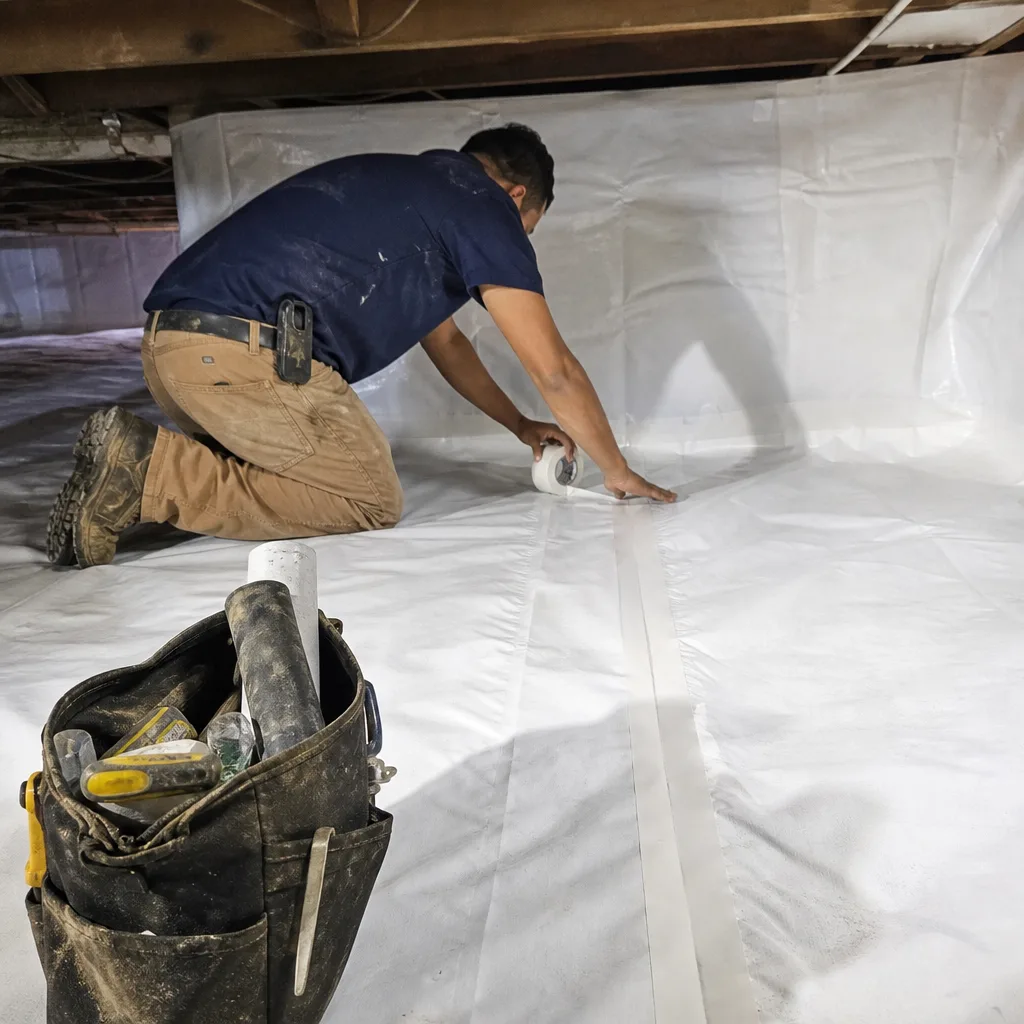
- Torn or sagging sections. San Marcos attic temperatures routinely hit 140°F in July, and the constant expansion-contraction cycle weakens staple lines. Once the foil pulls free, it flaps in the ridge vent airflow and tears further, creating channels where radiant heat streams through unimpeded.
- Dust-coated reflective surface. Radiant barrier only works when the reflective face stays clean. In San Marcos, caliche dust from the Hill Country gets pulled through soffit vents and settles on attic-floor installations, dropping reflectivity from 95% to under 30% over five to seven years.
- Hot spots on your ceiling. Grab an infrared thermometer on a 100°F afternoon. If you’re reading 85°F or higher on interior drywall directly below the attic, your barrier has either gaps or has lost its reflective properties. We’ve mapped this exact pattern in homes near Texas State where the barrier was installed before final HVAC balancing.
- Condensation stains on rafters. Non-perforated barrier installed without adequate ventilation traps moisture against the roof deck. In San Marcos’s humid spring months, this shows up as dark streaks on the rafters - often misdiagnosed as a roof leak when it’s actually a breathable-barrier mismatch.
- Utility bills climbing year over year with no rate change. CPS Energy rate hikes aside, a properly functioning radiant barrier should hold your summer cooling load steady. If your kWh per cooling degree-day is rising, the envelope is leaking - and the barrier is the first layer to check.
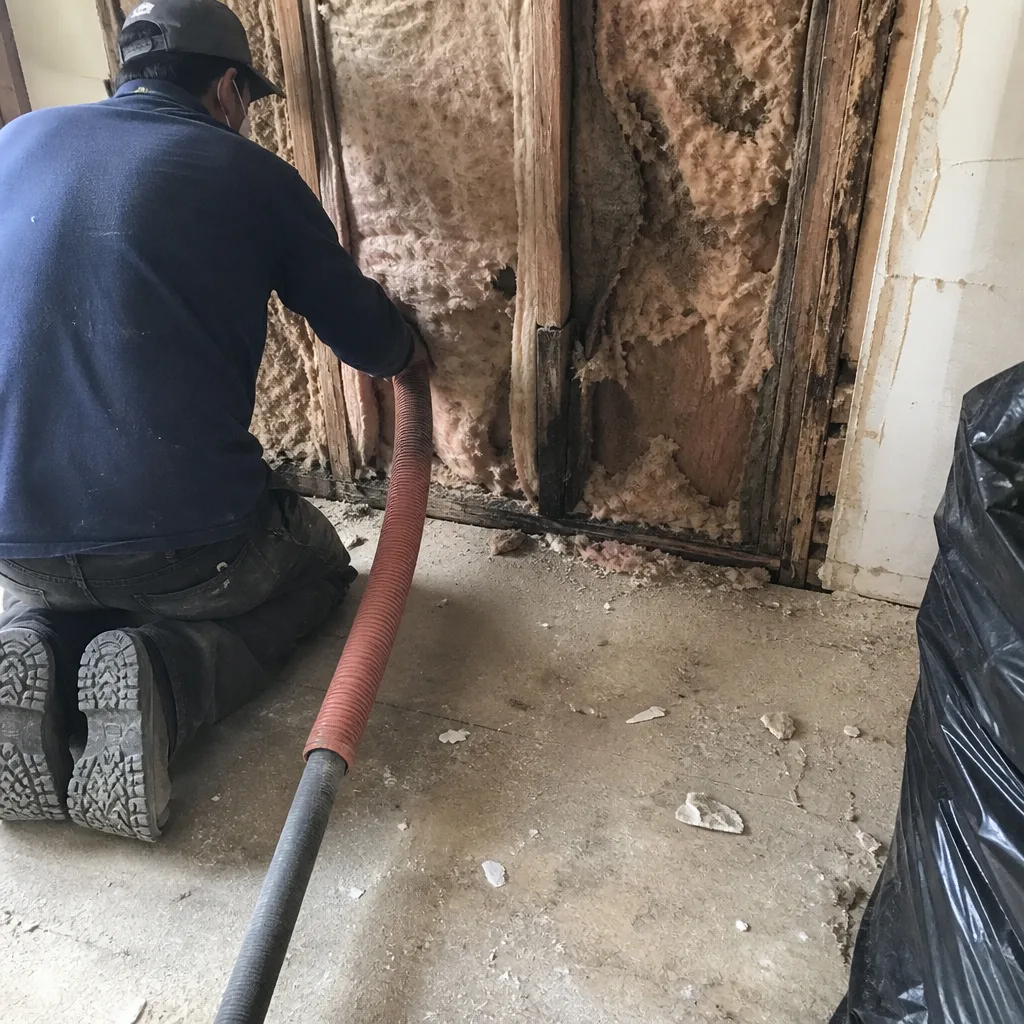 Before
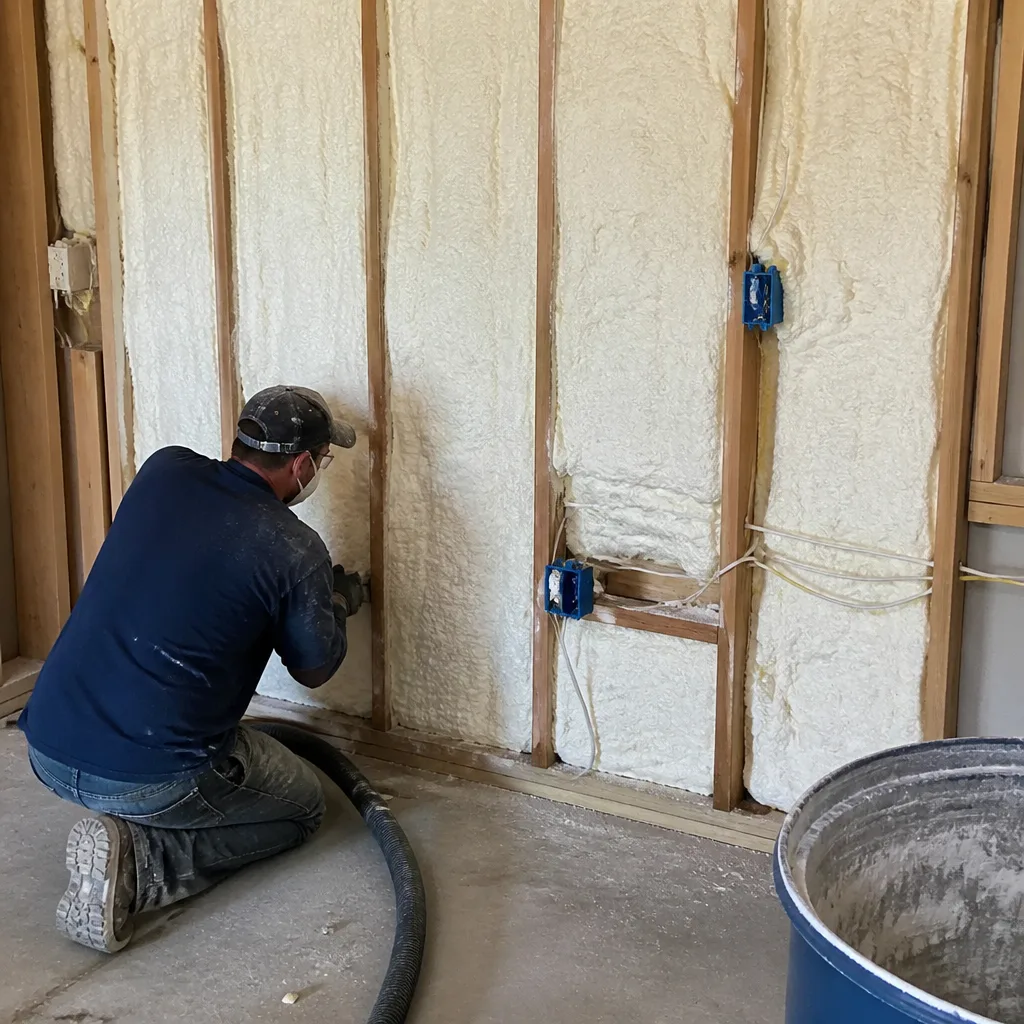 After
AfterReplacement Cost & What’s Included
| Scope | Typical Range (San Marcos) | What’s Included |
|---|---|---|
| Partial repair (torn sections, <500 sq ft) | $650 - $1,100 | Material, labor, seam tape, staple upgrade to corrosion-resistant |
| Full attic replacement (1,200-2,000 sq ft) | $1,400 - $2,800 | Removal of failed barrier, surface prep, new perforated barrier, documented photo record |
| Barrier + air sealing package | $2,200 - $4,500 | All of above plus top plate sealing, can light covers, blower-door test with before/after numbers |
What drives the range: attic accessibility (truss spacing, ductwork density), whether we’re working around existing GreenFiber cellulose or removing it first, and whether the roof deck needs cleaning before new barrier goes up. Steeper pitches add labor time. We don’t quote until we’ve seen the space - but we do put that written price in your hand before anyone climbs the ladder, under Haven Standard Clause 1.
The 365-Day Done Right Promise covers all radiant barrier work. If a seam lifts or a staple line fails, we come back and fix it. The warranty is in writing, delivered before the crew starts.
DIY or Call Us?
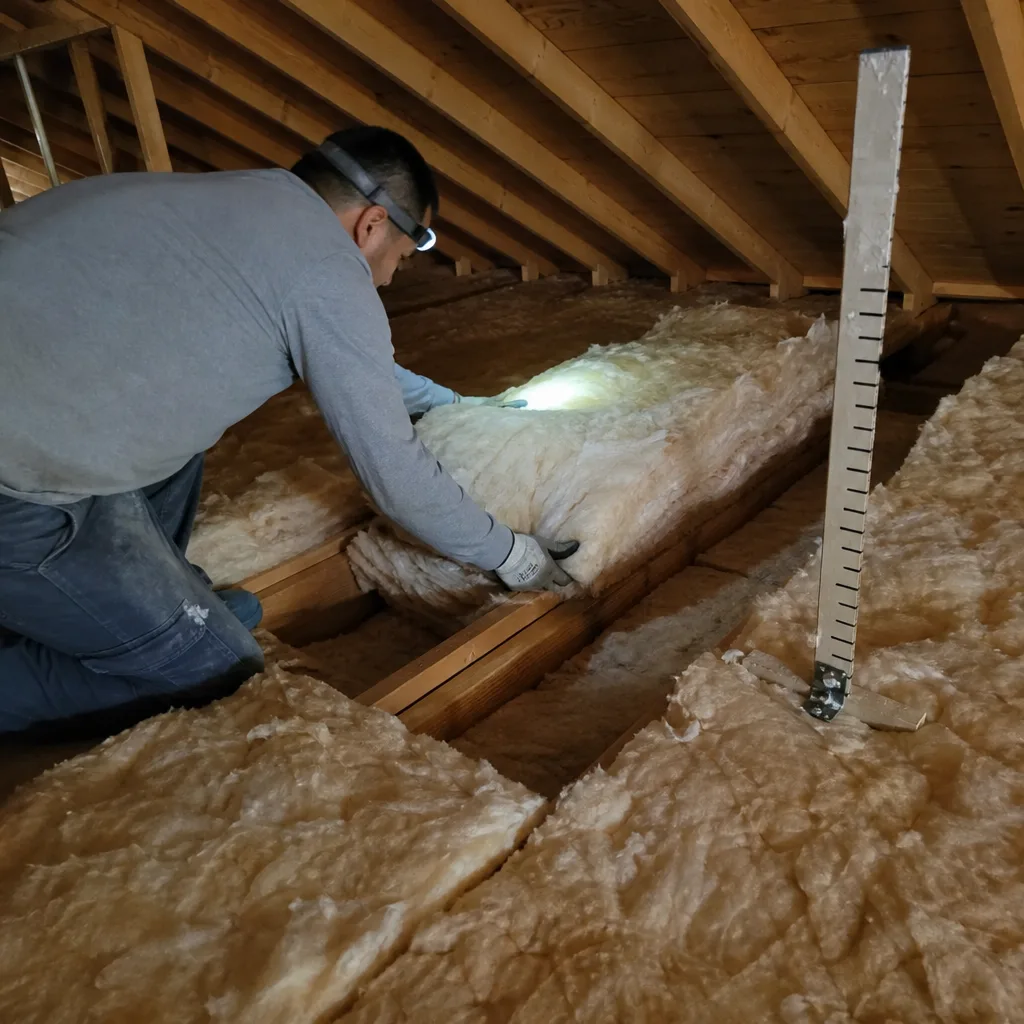
Here’s what you can safely check yourself: confirm whether your barrier is perforated or not (look for the stamp), note any torn sections from the attic hatch with a flashlight, and check your soffit vents for blockage - restricted airflow kills radiant barrier performance no matter how good the install.
Where DIY goes wrong: working across joists in a 130°F attic is where people fall through drywall. Stapling radiant barrier requires consistent tension - loose sections flap and tear; over-tightened sections stress the foil and fail at the fasteners. And if you’re pairing new barrier with existing GreenFiber cellulose, you need to verify the cellulose isn’t blocking soffit vents or covering the barrier’s breathing edge. We’ve found attics in the Springtown neighborhood where homeowners layered new over old, trapping moisture and compressing the cellulose below its labeled R-value.
The R-value tells you how slow heat moves through the material - the blower-door number tells you whether any of that matters. We run that test before and after every job, then hand you a single printed page with the air-changes-per-hour figure. Call (737) 337-8049 when you’re ready for the numbers.
FAQs
Perforated radiant barrier in a ventilated San Marcos attic typically performs for 15 to 25 years before dust accumulation or oxidation reduces reflectivity below effective levels. Non-perforated products in humid applications can fail sooner at the seams due to moisture cycling. Call (737) 337-8049 for an attic inspection - estimates are free.
Small tears (under 12 inches) can be patched with foil tape rated for high-temperature exposure, but this is a stopgap. Most San Marcos attics we inspect have multiple failure points, and patching often costs more in labor than replacing the compromised section. We assess this on every job and tell you which route saves money. Call (737) 337-8049 for a written price on either option.
Most full-attic GreenFiber radiant barrier replacements in San Marcos take one day for a crew of two. Complicated rooflines with hips and valleys, or attics with extensive ductwork, may run into a second day. We schedule with a confirmed arrival window and text when the technician is en route - Haven Standard: Arrive on schedule.
Yes - we carry perforated MP-series radiant barrier, corrosion-resistant staples, and seam tape on every vehicle. We also stock Reflectix as an alternative when the existing install used a non-standard product. For GreenFiber-specific cellulose top-ups or replacement, we source from the same distribution network; no proprietary lock-in, just matching the right material to your attic. Call (737) 337-8049 to confirm availability for your model.
Written by Wes Okafor, Owner, Topside Attic Insulation San Marcos at Topside Attic Insulation San Marcos, serving San Marcos and nearby areas.