
Johns Manville Blown-In Insulation in San Marcos: What to Know First
We provide independent Johns Manville blown-in insulation service in San Marcos, typically completing attic jobs in one day with a written price delivered before any work starts. Most blown-in cellulose or fiberglass top-ups in the 78666 area run between $1.40 and $2.20 per square foot depending on existing depth and accessibility, with full attic replacements starting around $2,800 for a 1,500-square-foot footprint. This page is for homeowners who already have Johns Manville insulation in their attic or walls and need to add to it, replace it, or figure out why it’s not performing the way the label suggested it would. Call (737) 337-8049 for a free estimate with a written price before anyone lifts a tool.
How Johns Manville Products Fail - and How We Fix Them
- Climate Pro Fiberglass settles below labeled depth in San Marcos heat. The blown-in fiberglass line - especially the R-30 and R-38 batts blown loose - loses loft in attics that cycle past 140°F in July and August. We’ve measured original 12-inch installs reading 8.5 inches in homes off Wonder World Drive after four summers. We don’t just add more on top; we remove the compacted layer, air-seal the deck, then reinstall to true depth with a settled-density calculation.
- Applegate cellulose bridges over recessed can lights. The stabilized cellulose line, common in 2018-2022 builds near the Texas State corridor, forms voids around IC-rated housings that were never properly dammed. Homeowners feel it as cold spots in January ceilings. We pull back the bridging material, install fire-rated baffles or pre-formed light covers, then redistribute with a hose extension that packs the cavity without compressing against the fixture.
- Formaldehyde-free batts delaminate at the facing adhesive. Johns Manville’s unfaced fiberglass batts, sometimes used as dense-pack in San Marcos wall retrofits, separate from the kraft or foil facing when attic humidity spikes during our spring storm season. The facing hangs; the batt sags. We remove the failed facing entirely, switch to friction-fit unfaced product, and verify with a borescope that the cavity is full top to bottom.
- Blown-in fiberglass migrates in vented attics with poor soffit balance. The Spider product line, a blown-in system using an adhesive to reduce settling, still drifts toward exhaust vents when intake ventilation is blocked by original builder-grade foam baffles that collapsed. We see this in 1990s slab homes in the Blanco Gardens area. We replace the baffles with rigid prop-vent chutes, verify soffit intake with a smoke pencil, then redistribute the migrated material.
- Old JM rock wool slumps in wall cavities above steel lintels. Pre-2000 homes in the historic district sometimes have Johns Manville rock wool that compressed where headers and steel angles create thermal bypasses. The material itself is fine; the installation ignored the geometry. We dense-pack with new cellulose or fiberglass around the steel, using a tube-fill technique that doesn’t leave the 2-inch void that causes ghosting on interior drywall every winter.
Our Johns Manville Blown-In Insulation Process
- 1
Call and scheduling. A live person answers, 24/7. We book a site visit with a named technician; you get a text when they’re twenty minutes out.
- 2
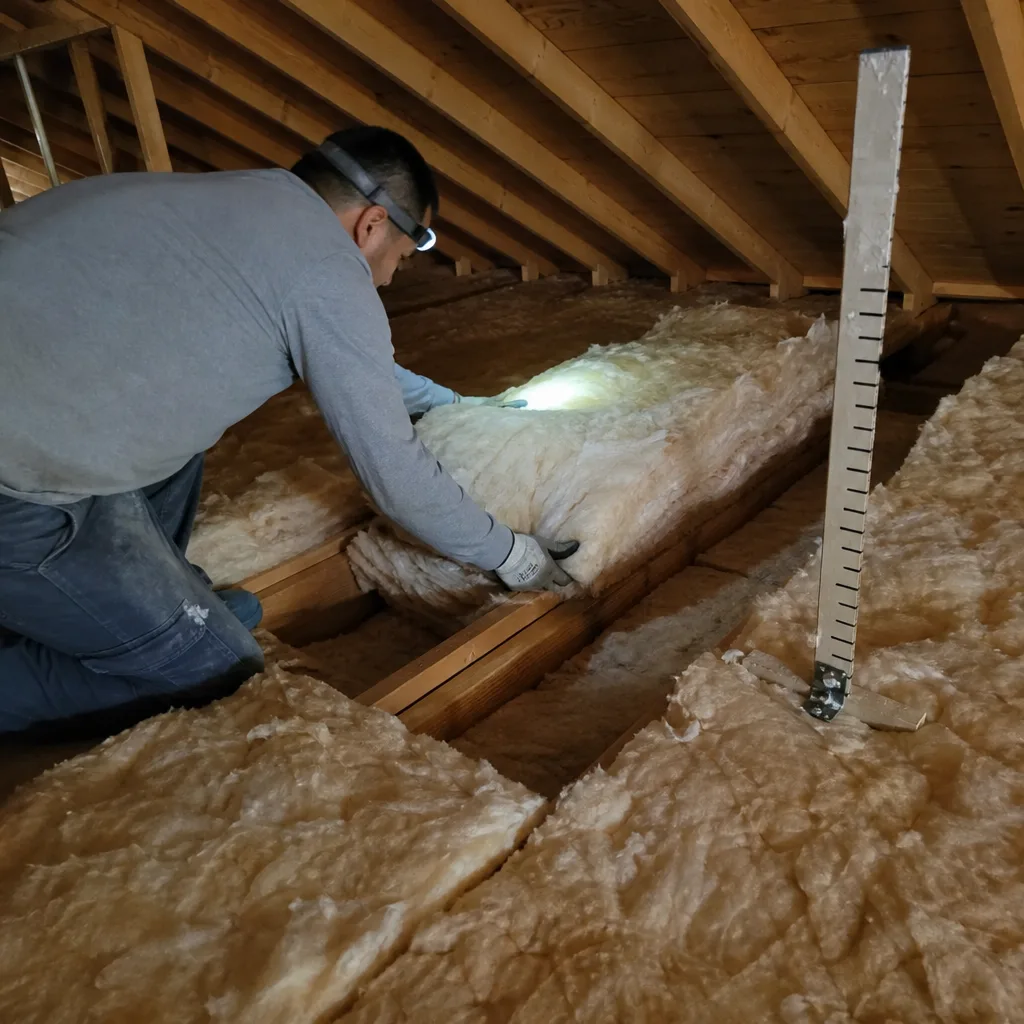
Attic inspection and blower-door test. We pressurize the house and measure CFM50 - the number that tells us, in one figure, how much conditioned air is escaping through the envelope. We photograph existing Johns Manville product, note the series and depth, and mark air leaks at top plates, wire penetrations, and chimney chases.
- 3
Written price and scope. Under Haven Standard Clause 1, you get a flat price, written scope, and written warranty before anyone starts. No work begins without your signature on that page.
- 4
Air sealing first, then insulation. We seal every penetration with fire-rated caulk, foam, or gasket as appropriate. The blower-door test is repeated; we don’t blow insulation until the number drops to our spec for the home type.
- 5
Johns Manville product installation. We match existing JM line where appropriate or recommend a switch based on your goals. OEM or quality aftermarket - we source from Johns Manville, Owens Corning, Knauf, and others, with no proprietary lock-in.
- 6
Final test, documentation, and cleanup. Final blower-door reading, Documented Photo Record delivered to you, and a single printed page showing before-and-after air-changes-per-hour. The R-value tells you how slow heat moves through the material - the blower-door number tells you whether any of that matters.
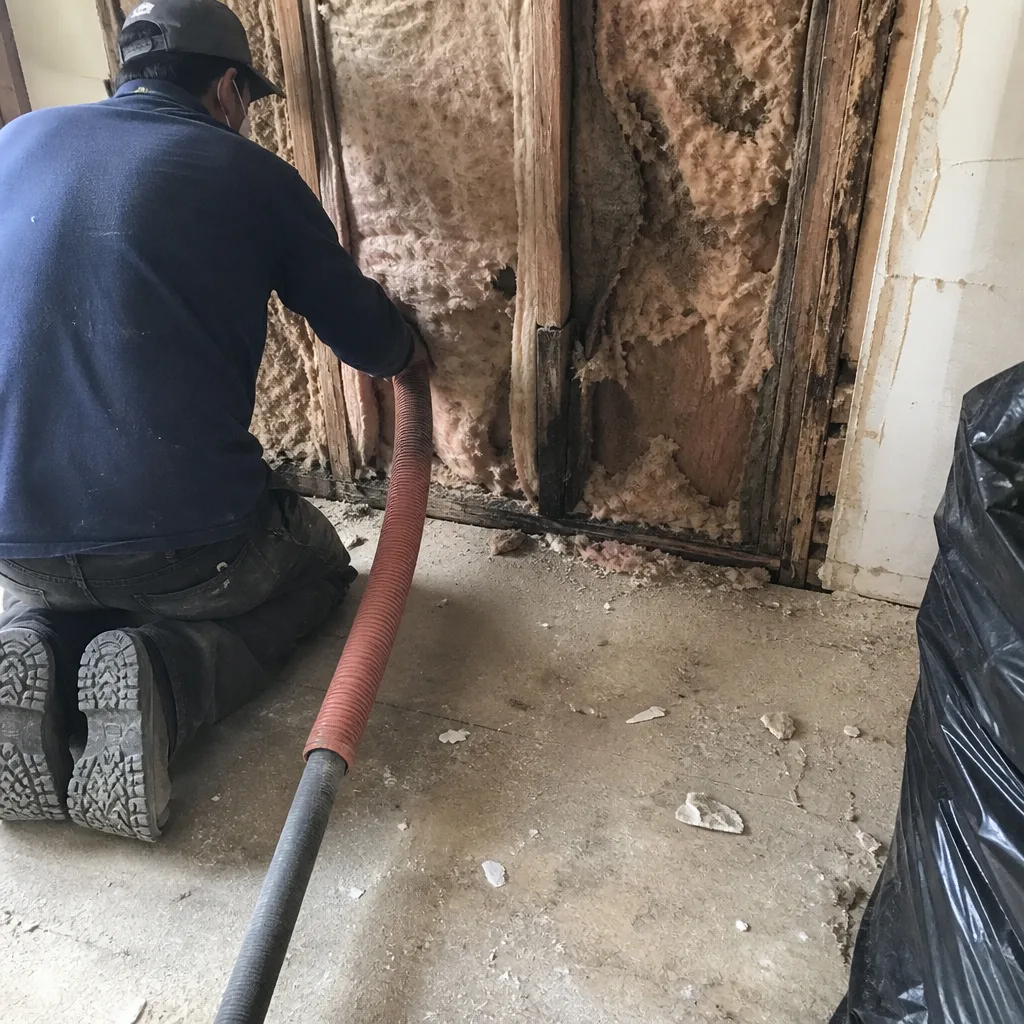 Before
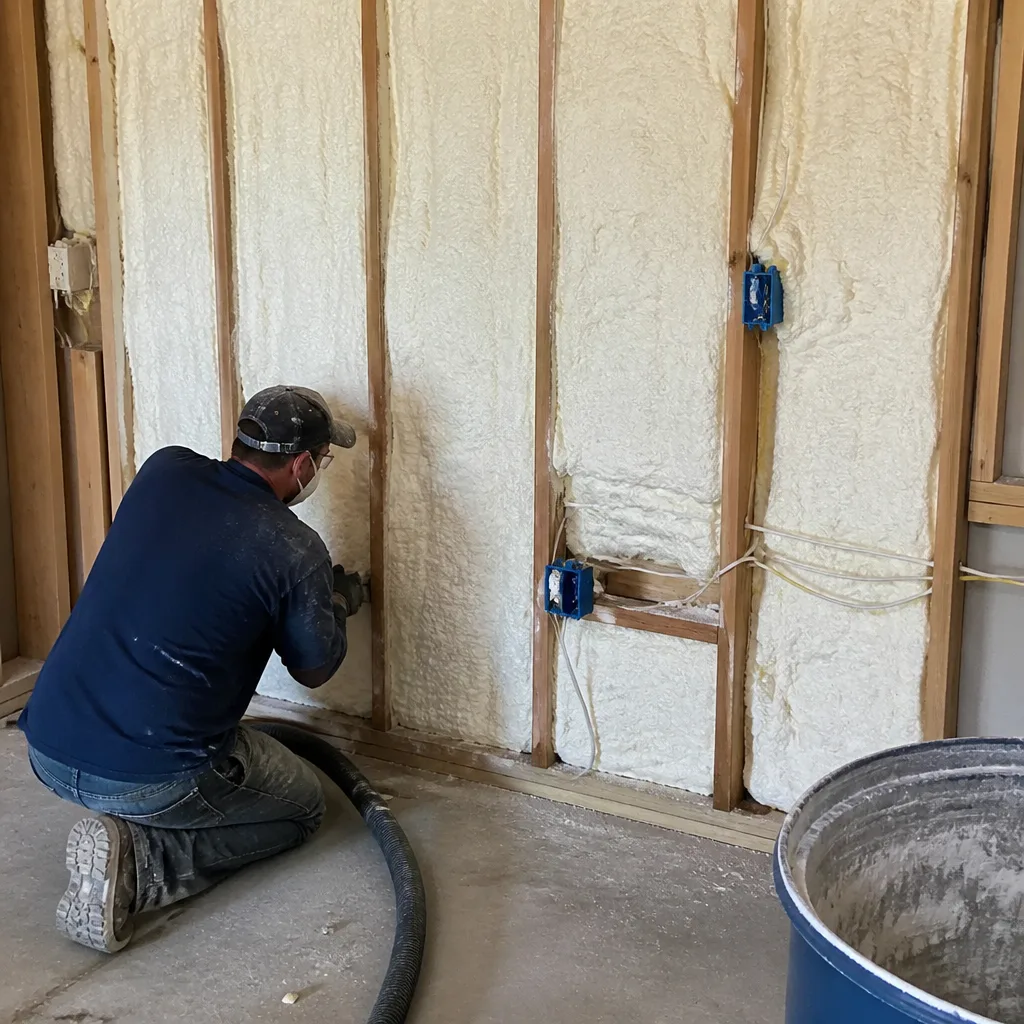 After
AfterWhat Johns Manville Blown-In Insulation Costs in San Marcos
| Job Type | Typical Range | What Moves the Price |
|---|---|---|
| Blown-in fiberglass top-up (attic, R-19 to R-38) | $1,400 - $2,400 | Existing depth, attic floor accessibility, need for air sealing first |
| Blown-in cellulose full replacement | $2,800 - $4,500 | Removal of old material, square footage, baffle replacement, soffit venting correction |
| Dense-pack wall insulation (per 1,000 sq ft of wall) | $1,800 - $3,200 | Cavity condition, drill-and-fill vs. interior access, plaster vs. drywall |
| Air sealing package (standalone, before insulation) | $800 - $1,600 | Attic complexity, can light count, chimney chase access |
Homes near the San Marcos River with crawl space moisture issues may need vapor barrier work before attic insulation makes sense; we flag that in the written scope, never hide it. Call (737) 337-8049 for an exact quote - estimates are free, and the price you get is the price you pay.
Why San Marcos Homeowners Call Topside Attic Insulation San Marcos for Johns Manville Work
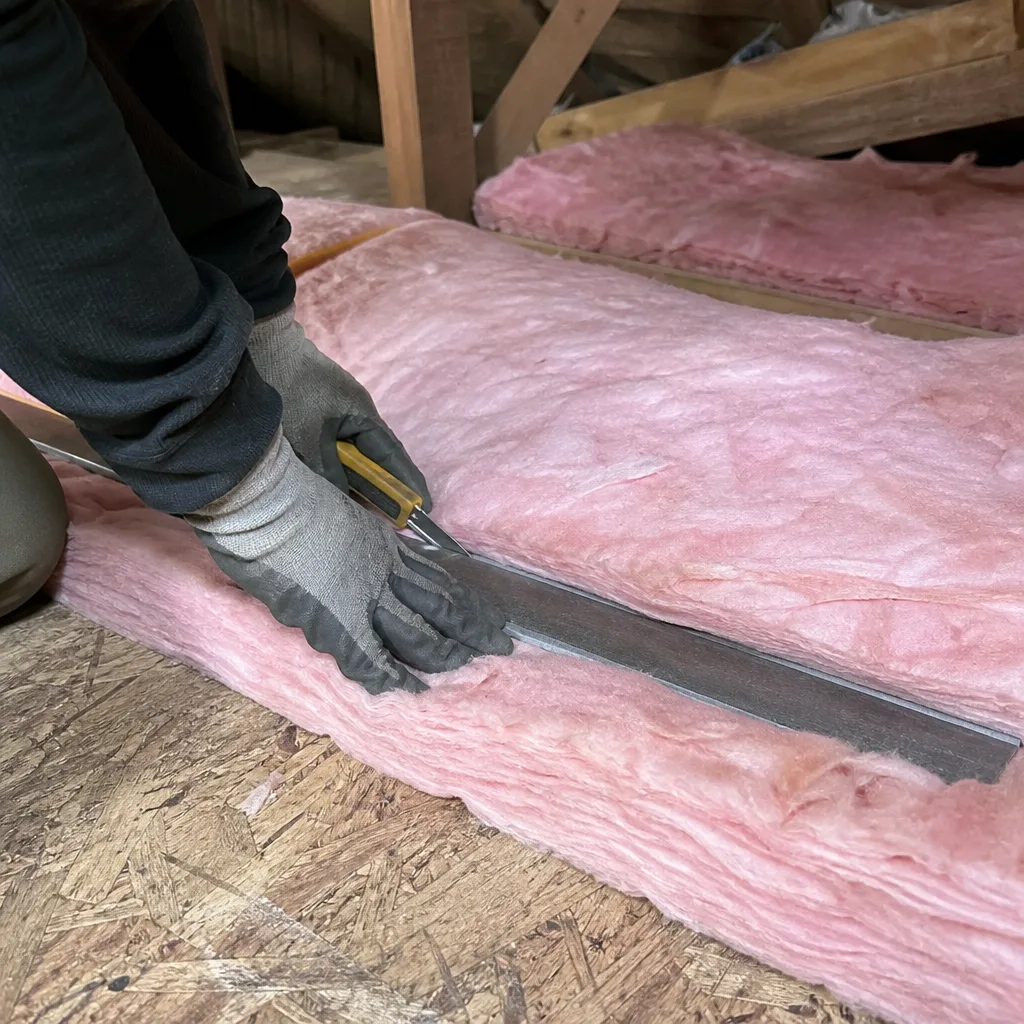
We’ve sealed and insulated over 9,000 homes since 2016, every one with a written price before work started and a documented record when the crew left. Wes Okafor, who trained in building science at Dawson Technical Institute and put in two decades diagnosing why attics fail before filling them, runs the blower-door test himself on jobs where the numbers matter most. Our 365-Day Done Right Promise means if it’s not right, we make it right - backed by a written warranty, not a handshake. We also service Reflectix and other brands, so if your Johns Manville product is discontinued or a switch makes sense, we won’t force a product match that doesn’t serve your envelope. Calls are answered by a live person, 24/7.
FAQs
No - the original material warranty from Johns Manville covers manufacturing defects, not installation or subsequent work, so adding to it doesn’t void anything. We document the existing product condition with photos before we touch it, in case you ever need to file a claim. If you’re concerned about warranty coverage on a newer install, call (737) 337-8049 and we’ll review the paperwork with you - free second opinion on any written estimate.
We can usually match the JM line if it’s still in production; if it’s been discontinued, we specify the closest equivalent by R-value, settled density, and fire rating. We source from Johns Manville, Owens Corning, Knauf, Rockwool, and others, so the recommendation is based on your attic’s condition, not our inventory. You’ll see both options in the written scope with the price difference noted.
Topping up is cheaper upfront - typically 40 to 60 percent less than full removal - but only makes sense if the existing material is dry, uncompressed, and the attic is already air-sealed. We’ve found too many San Marcos attics where adding new insulation over old, settled, or moisture-affected JM product just buries the problem. We test with a moisture meter and borescope inspection; if removal is the better long-term value, we say so in the written price.
Most attic jobs are completed in one day; dense-pack wall work or full removals with air sealing typically take two. We schedule within a week of your approved written price, sometimes sooner. Same-week slots open up when a job finishes early - we text available homeowners in order of call receipt, no manufactured urgency. Call (737) 337-8049 to check current availability.
We use Johns Manville product when it’s the right choice for the application and available without excessive lead time. On some discontinued lines or when a different density works better for your cavity, we specify quality aftermarket from our multi-brand supply chain. The written scope names the exact product and manufacturer; no substitutions happen without your approval.
Written by Wes Okafor, Owner, Topside Attic Insulation San Marcos at Topside Attic Insulation San Marcos, serving San Marcos and nearby areas.