
Johns Manville Crawl Space Encapsulation: The San Marcos Owner’s Guide
We stock and install Johns Manville-compatible crawl space encapsulation systems in San Marcos, with most complete jobs running $3,800-$6,200 depending on square footage and whether the foundation needs active dehumidification. Same-day assessment is available, and we carry JM vapor barrier rolls, seam tape, and mechanical fasteners on every truck. Most San Marcos homeowners discover their encapsulation has failed when they notice a musty smell returning after months of dryness, or when they spot pooling near the perimeter of the liner during our wet spring months.
Which Johns Manville Models This Applies To
Johns Manville doesn’t sell crawl space encapsulation as a branded “system” with a model number the way they do HVAC duct wrap or pipe insulation. Instead, you’re looking at JM’s vapor barrier polyethylene sheeting, typically their 6-mil to 20-mil reinforced scrim products sold in rolls by width and thickness. Check your existing liner for a printed edge marking, something like “JM 12-mil Reinforced” or a lot number starting with the San Antonio distribution center code if it was sourced through a regional supplier in the last decade.
The compatibility gotcha in San Marcos: JM’s 6-mil basic barrier degrades faster in our Hill Country clay soils because the soil’s seasonal expansion and contraction abrades the underside. We’ve pulled up 6-mil JM barriers in the Blanco Gardens and Willow Creek areas that looked intact from above but had pinholing at every soil contact point within four years. For replacement, we typically spec JM’s 12-mil reinforced or 20-mil string-reinforced product, or a quality aftermarket equivalent like Reflectix if the homeowner wants a radiant barrier component integrated with the ground seal.
To identify what you need: measure your crawl space footprint, note the mil thickness of your existing liner (calipers work, or we can read it on-site), and check whether your walls are block, poured concrete, or stone foundation. JM’s tape and fastening schedule differs for each substrate.
Signs Your Johns Manville Crawl Space Encapsulation Is Failing
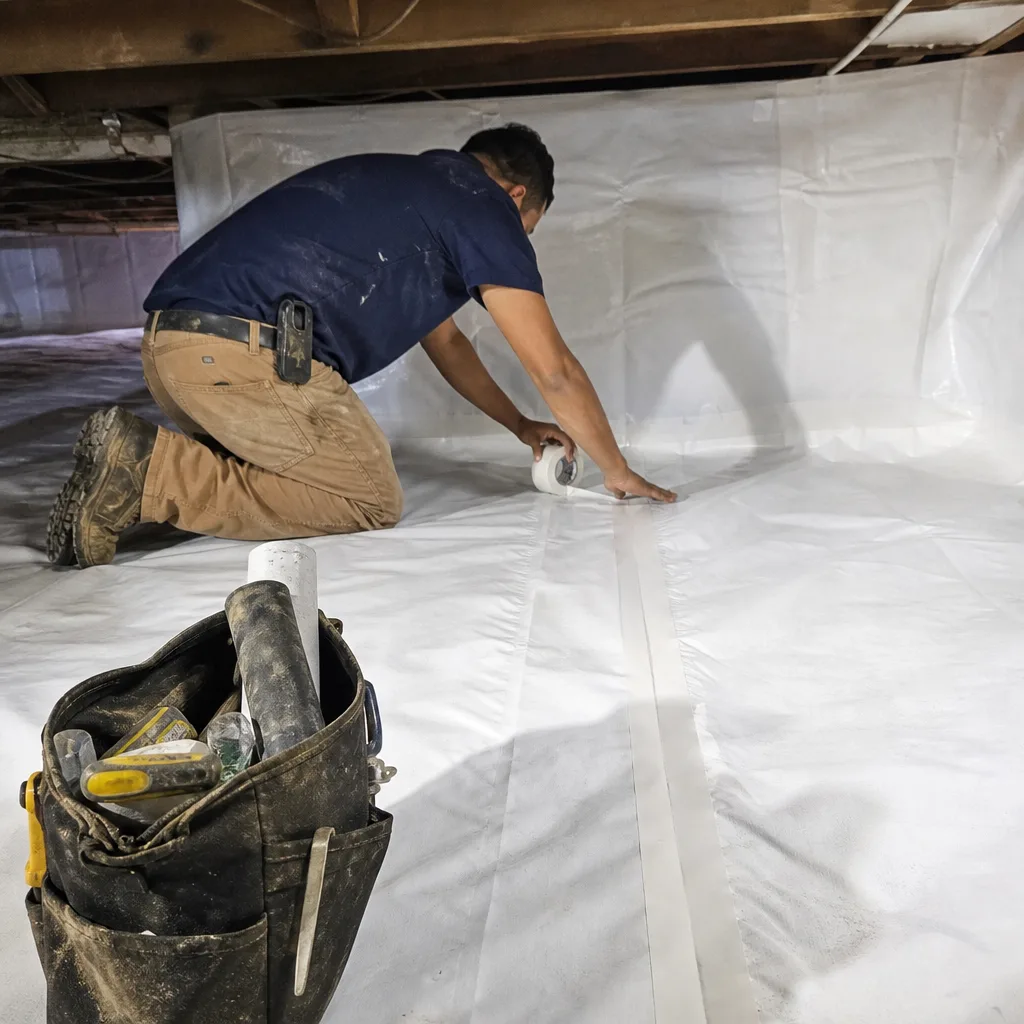
- Musty odors returning in humid months. The vapor barrier’s permeance rating, measured in perms, has likely degraded above the 0.1-perm threshold that keeps soil moisture from entering the conditioned envelope. In San Marcos, where May through October averages 60-70% relative humidity, a compromised barrier lets that moisture migrate upward through floor joists.
- Condensation on ductwork or plumbing lines. When the ground seal fails, the crawl space dew point rises above the surface temperature of your cold water pipes or AC ducts. We see this most often in post-1980 slab-on-grade homes near the Texas State University corridor where the original builder-grade 6-mil barrier was never upgraded.
- Sagging or separated wall seams. JM’s pressure-sensitive seam tape loses adhesion when applied over dusty block or when the foundation wall has active efflorescence, that white powdery mineral deposit that signals moisture moving through concrete. The tape peels, the barrier drops, and you’ve got a gap at the most critical junction.
- Increased energy bills without HVAC changes. A failed encapsulation lets the crawl space act as a thermal buffer zone in summer, forcing your air handler to work against 85-degree, humid air instead of a sealed, conditioned space. We’ve measured this with blower-door testing, the pressurization reading that shows, in one number, how much conditioned air your building envelope is losing.
- Pest activity or rodent tracks on the barrier surface. A torn or improperly lapped JM liner creates travel paths. The R-value tells you how slow heat moves through the material, the blower-door number tells you whether any of that matters, and a shredded vapor barrier tells you rodents have found a highway.
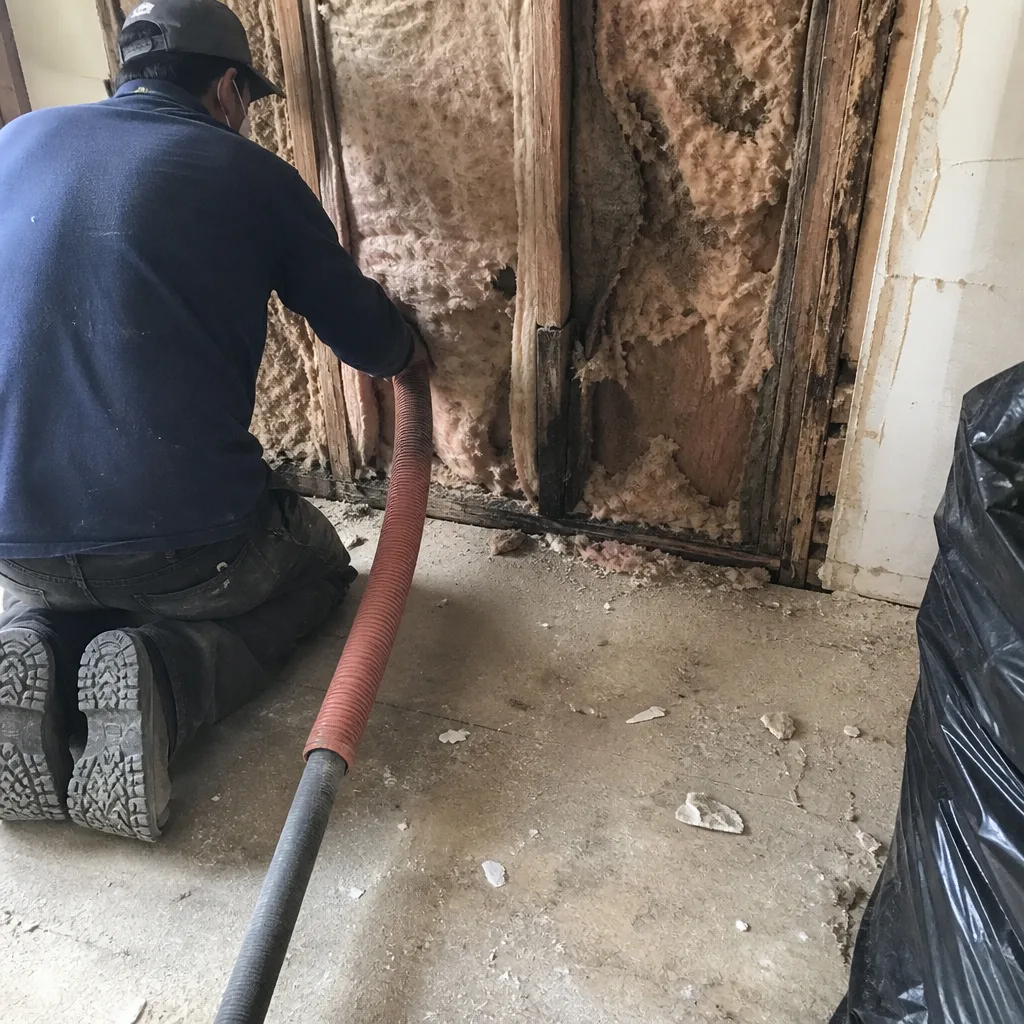 Before
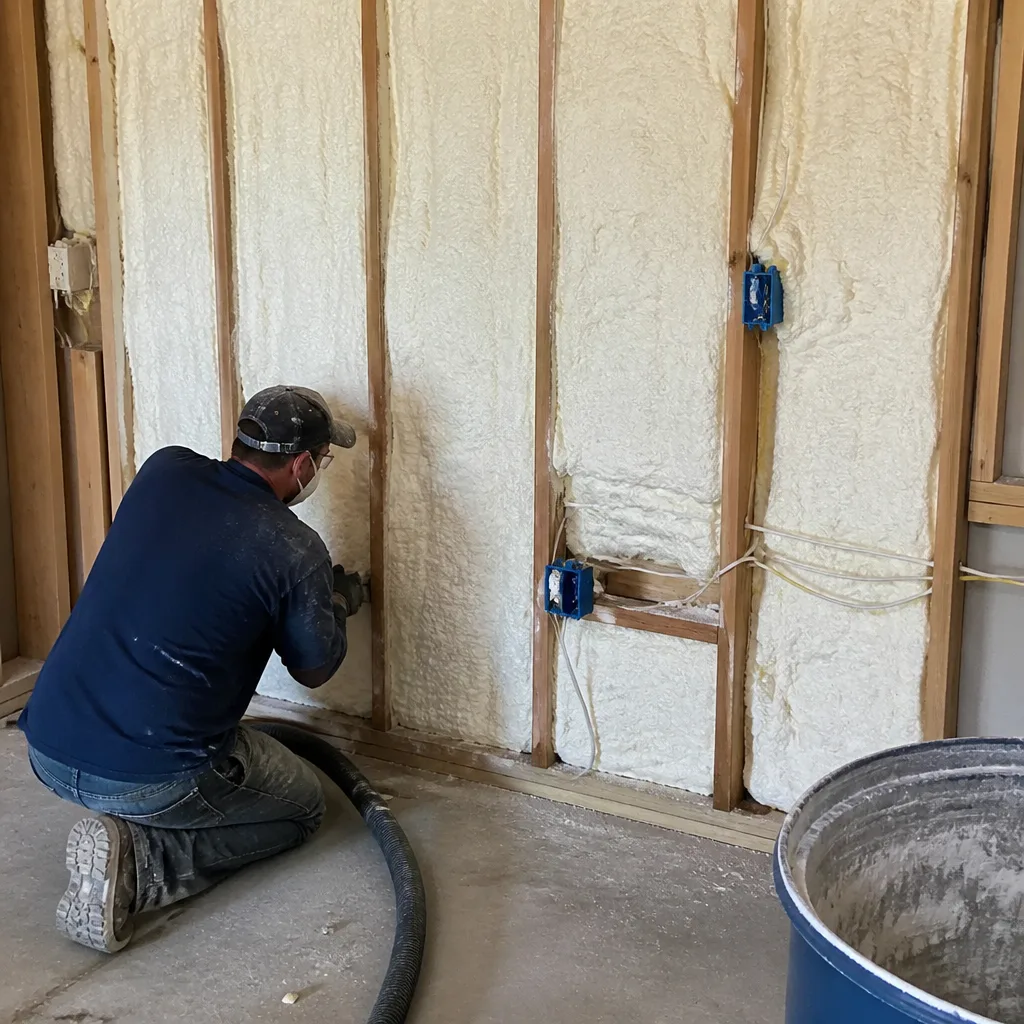 After
AfterReplacement Cost & What’s Included
In San Marcos, a full Johns Manville-compatible crawl space encapsulation replacement runs $3,800-$6,200 installed for a typical 1,200-2,000 square foot footprint. The low end covers a straightforward liner swap with existing dehumidifier reuse; the high end includes new 20-mil JM reinforced barrier, full wall sealing to grade, mechanical fastening at sill plates, new seam tape at all laps, and a dedicated dehumidifier sized to the space.
What drives the range: crawl height (anything under 18 inches adds labor), existing mold or wood rot remediation, whether the foundation perimeter needs drainage matting, and if we’re integrating a new dehumidifier with a condensate pump. We also stock Reflectix radiant barrier products if your floor system needs thermal break improvement above the encapsulation.
Every job closes with a Documented Photo Record and our written 365-Day Done Right Promise. If your encapsulation fails due to our workmanship within a year, we return and correct it. Haven Standard Clause 1 applies: you get a flat written price before anyone lifts a tool, and a written warranty before the crew starts.
DIY or Call Us?
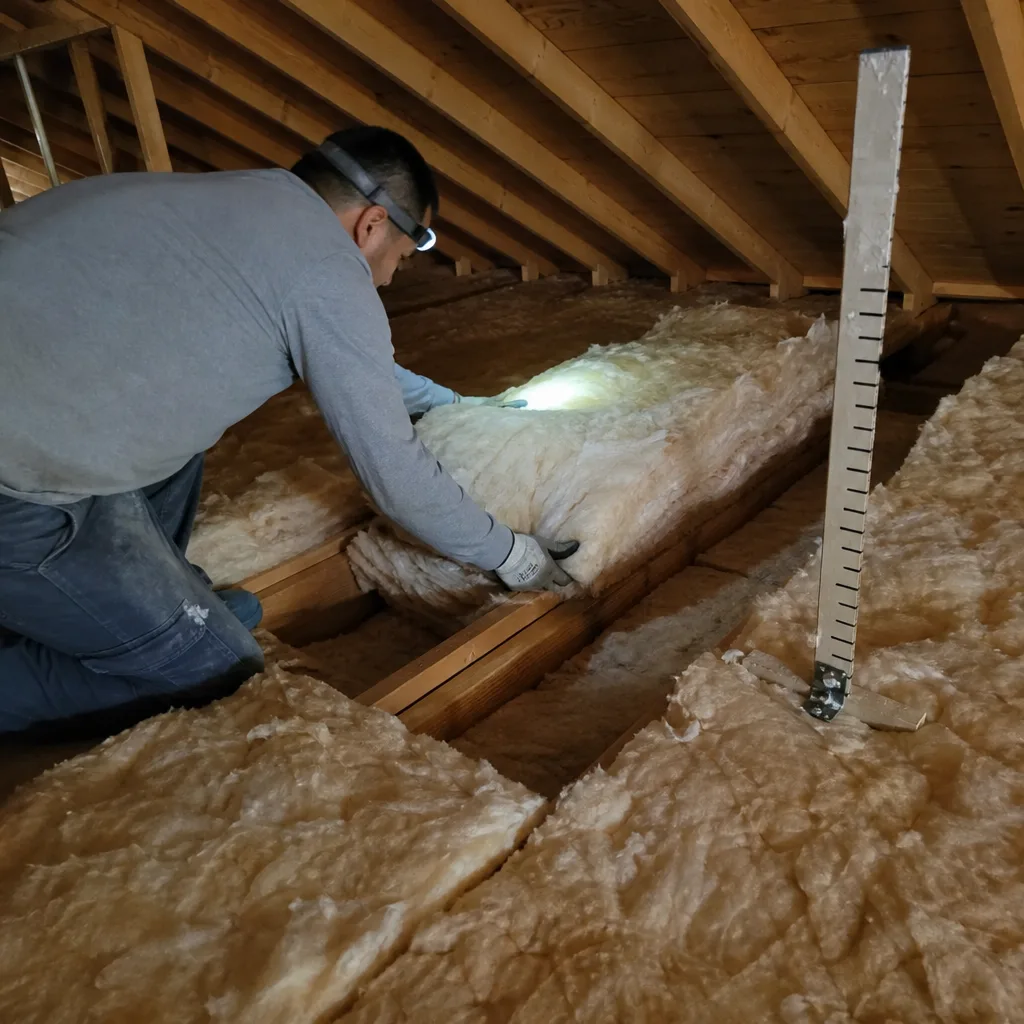
There’s no high-tension danger in crawl space encapsulation the way there is with garage door springs or electrical panels, but there are honest ways DIY goes wrong. A homeowner can safely check: whether the liner is still taut at wall seams, whether the dehumidifier reservoir is filling (if so, it’s working), and whether any standing water has appeared. Use a flashlight, not your hands, probing for soft spots in the liner.
Where DIY fails: proper mil thickness selection for San Marcos soil conditions, correct lap sequencing so water doesn’t channel between layers, and sealing around plumbing penetrations without creating condensate traps. We’ve been called to redo homeowner JM installations where the barrier was laid flat without slope to a sump point, turning the crawl space into a swimming pool every March. Wes Okafor and our crew carry the full JM product line, seam rollers, and mechanical fasteners on every truck. Call (737) 337-8049 for a free assessment and written price.
FAQs
A properly installed JM 12-mil or 20-mil reinforced barrier lasts 15-20 years in our climate, though the 6-mil product often shows degradation in 5-8 years due to soil abrasion and UV exposure if any light penetrates through foundation vents. Call (737) 337-8049 and we’ll inspect your current liner’s condition at no charge.
Small punctures or seam separations under two linear feet can be patched with JM-compatible seam tape and a roller, provided the surrounding material isn’t brittle. If you’re seeing multiple failure points, widespread pinholing, or tape adhesion loss on block walls, patch repairs become a game of whack-a-mole and full replacement is more economical. We offer free second opinions on any written estimate you’ve received.
Most residential crawl spaces in San Marcos take one to two working days: day one for removal, surface prep, and barrier installation; day two for dehumidifier setup, final seam inspection, and our blower-door test if the encapsulation is part of a larger envelope improvement. We text you when the technician is en route, and you get the Documented Photo Record before we leave.
Yes. We carry JM 12-mil and 20-mil reinforced vapor barrier rolls, pressure-sensitive seam tape, mechanical fasteners for block and poured walls, and termination bars for sill plate sealing. For jobs requiring integrated radiant barrier, we also stock Reflectix products. Same-day installation is available for most standard sizes.
Topside Attic Insulation San Marcos is an independent service provider, not affiliated with Johns Manville. We source materials from JM, Owens Corning, Knauf, Rockwool, and other manufacturers so we can spec what’s right for your home rather than what’s in our proprietary inventory.
Written by Wes Okafor, Owner, Topside Attic Insulation San Marcos at Topside Attic Insulation San Marcos, serving San Marcos and nearby areas.