
Rockwool Attic Air Sealing: The San Marcos Owner’s Guide
Rockwool-compatible attic air sealing in San Marcos typically runs $1,800-$3,400 for a complete top-plate and penetration seal on a 1,500-2,500 square foot home, and we stock the full range of Rockwool-compatible sealants, fire-stop collars, and gasket materials on every truck. Most jobs are completed same-day once the blower-door baseline is established. Homeowners usually discover the problem when their recent Rockwool insulation install didn’t deliver the temperature drop they expected, or when a home energy audit reveals the attic floor is still pulling conditioned air through gaps the insulation alone can’t close.
Which Rockwool Models This Applies To
Rockwool doesn’t sell a branded “air sealing system” the way they sell batts or boards, which is where most San Marcos homeowners get stuck. The compatibility question is between your existing Rockwool insulation type and the air sealing components needed to make it perform.
We match sealants to three common Rockwool installations in this market: Comfortbatt wall batts that extend into attic kneewalls, Comfortboard rigid boards laid over existing attic insulation, and Toprock Plus loose-fill blown across the attic floor. Each requires different sealing at the boundary. Comfortbatt jobs need top-plate sealing with acoustical sealant rated for the batts’ 3.5″ or 5.5″ depth. Comfortboard retrofits demand gasketed perimeter dams where the rigid board meets the framing. Toprock Plus needs a fully sealed attic floor first, because loose-fill doesn’t block airflow, it just slows it.
Identification is straightforward: check the bag label for the product line, measure the installed thickness, and note whether the Rockwool is friction-fit between studs, laid as continuous boards, or blown loose. OEM-spec sealants from Rockwool’s recommended partners, like 3M Fire Barrier and Hilti CFS-S SIL, perform identically to quality aftermarket equivalents from Tremco and Pecora. We stock both on every San Marcos truck and specify which we’re using in your written scope.
One compatibility gotcha specific to older homes near the Texas State corridor: Comfortboard installed over original knob-and-tube wiring requires fire-rated sealant at every penetration, not just standard caulk. We’ve found three installations in San Marcos where a previous contractor used non-rated sealant and the homeowner faced a reinspection.
Signs Your Rockwool Attic Air Sealing Is Failing
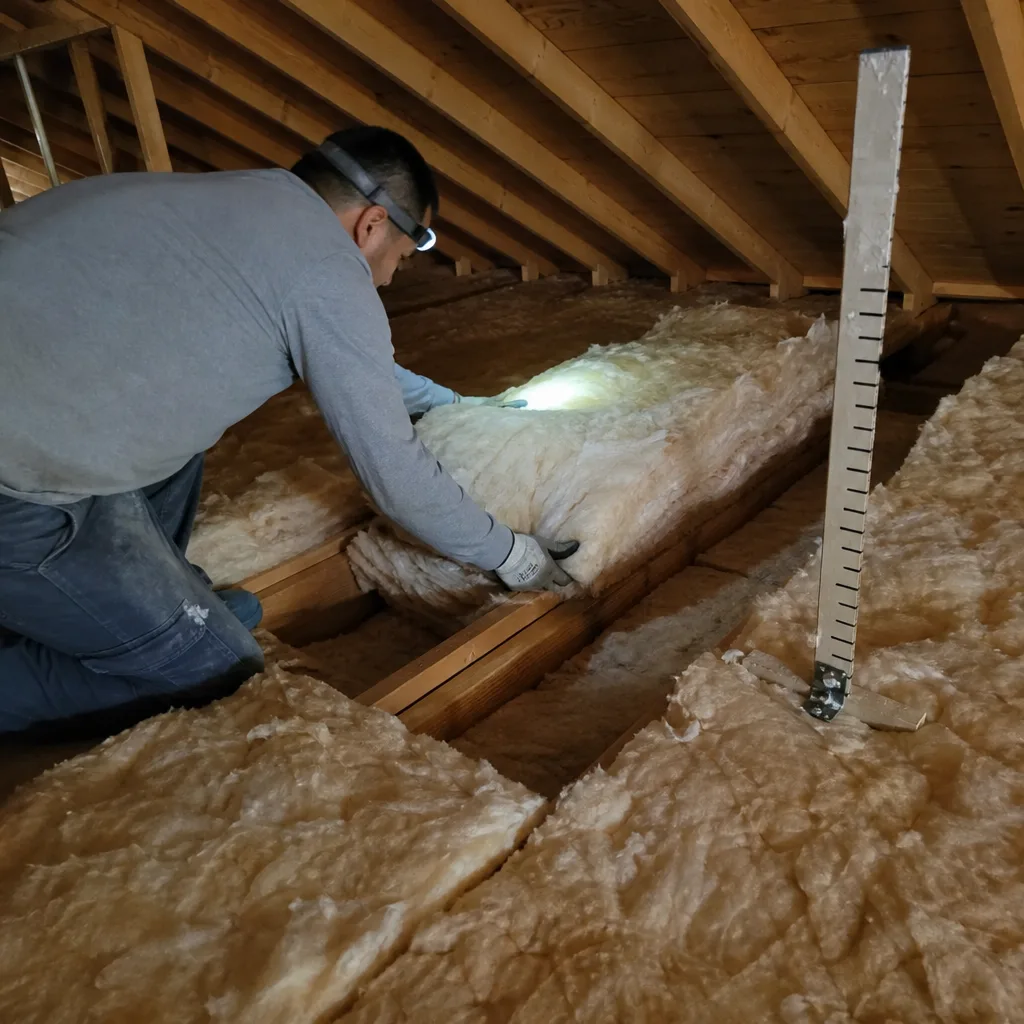
- Hot second-floor rooms despite fresh Rockwool. The insulation is doing its job slowing conduction, but unsealed top plates are letting attic air wash through the ceiling cavity. The R-value tells you how slow heat moves through the material - the blower-door number tells you whether any of that matters.
- Dust streaks around ceiling fixtures or outlets. These dark lines are filtration marks, airborne particles passing through gaps too small to see but large enough to move significant air volume. They appear first on the ceiling’s highest points, directly above unsealed wall top plates.
- Ice damming or uneven snow melt on the roof. In San Marcos this is rare, but during our occasional hard freezes, warm attic air escaping through bypasses melts roof snow from underneath. The melt pattern follows the framing lines where sealing was skipped.
- Humidity spikes in summer that the HVAC can’t control. Unsealed can lights and plumbing chases pull humid Gulf air into the attic, where it meets the cooler conditioned ceiling and condenses. Rockwool is hydrophobic and won’t mold, but the drywall and framing around it will.
- Energy bills that didn’t drop after insulation. This is the most common call we get. The homeowner paid for Rockwool, got the thickness specified, and saw no improvement. Nine times out of ten, a blower-door test shows the attic floor is still leaking at 3,000+ CFM50 - the insulation is filtering dirty air, not stopping it.
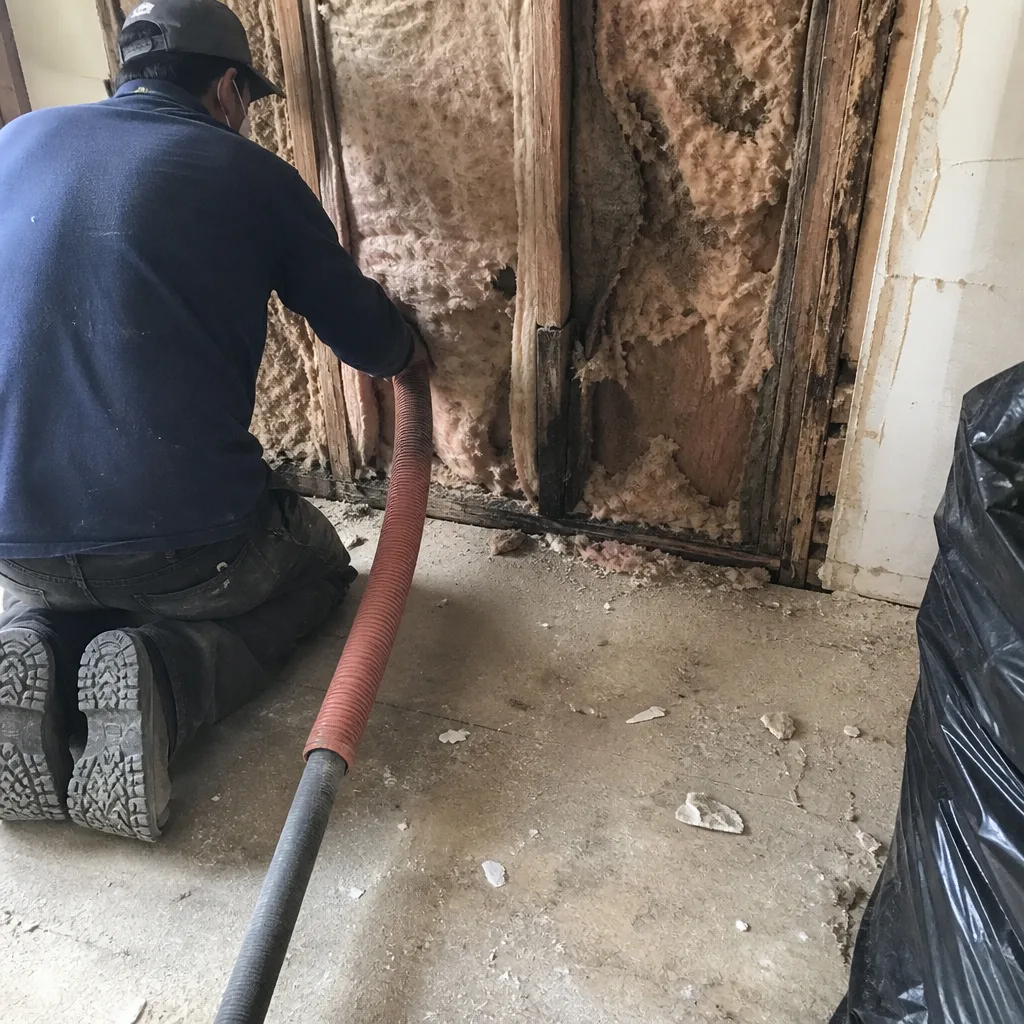 Before
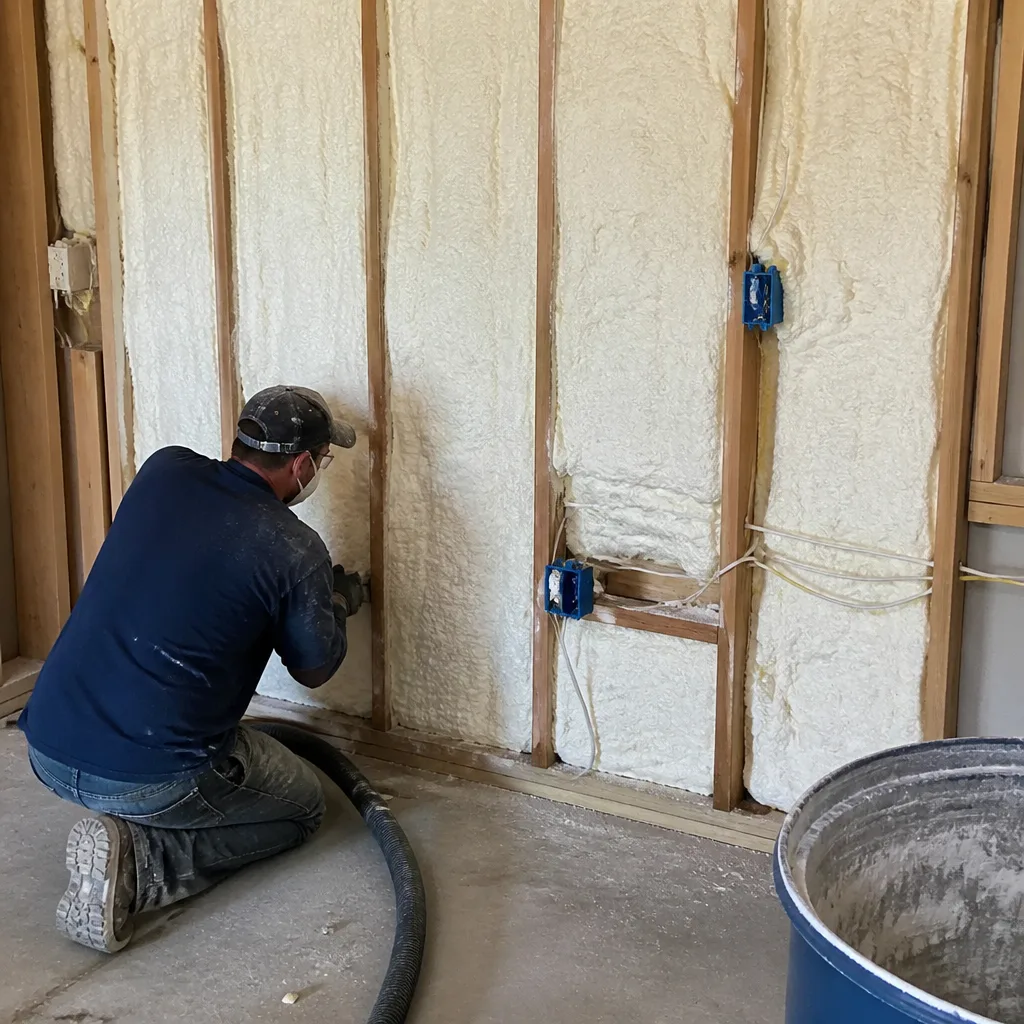 After
AfterReplacement Cost & What’s Included
Complete Rockwool-compatible attic air sealing in San Marcos breaks down as follows:
| Scope Item | Typical Range |
|---|---|
| Top-plate seal (linear foot of wall framing) | $4-$7/ft |
| Can light airtight covers (per fixture) | $45-$85 each |
| Plumbing/electrical penetration seal (per opening) | $25-$55 each |
| Chimney/soffit dam and fire-stop | $280-$520 each |
| Blower-door test (before and after) | $180-$240 |
| Full attic floor seal, 1,500-2,500 sq ft home | $1,800-$3,400 total |
What drives the range: accessibility (steep-pitch attics take longer), quantity of penetrations, and whether we’re working around existing Rockwool or removing and replacing it to access the deck. Every quote under Haven Standard Clause 1 is a flat price with written scope and written warranty before anyone lifts a tool. The 365-Day Done Right Promise covers all sealing work, and we publish your before-and-after blower-door numbers on a single printed page so the improvement is documented, not claimed.
DIY or Call Us?
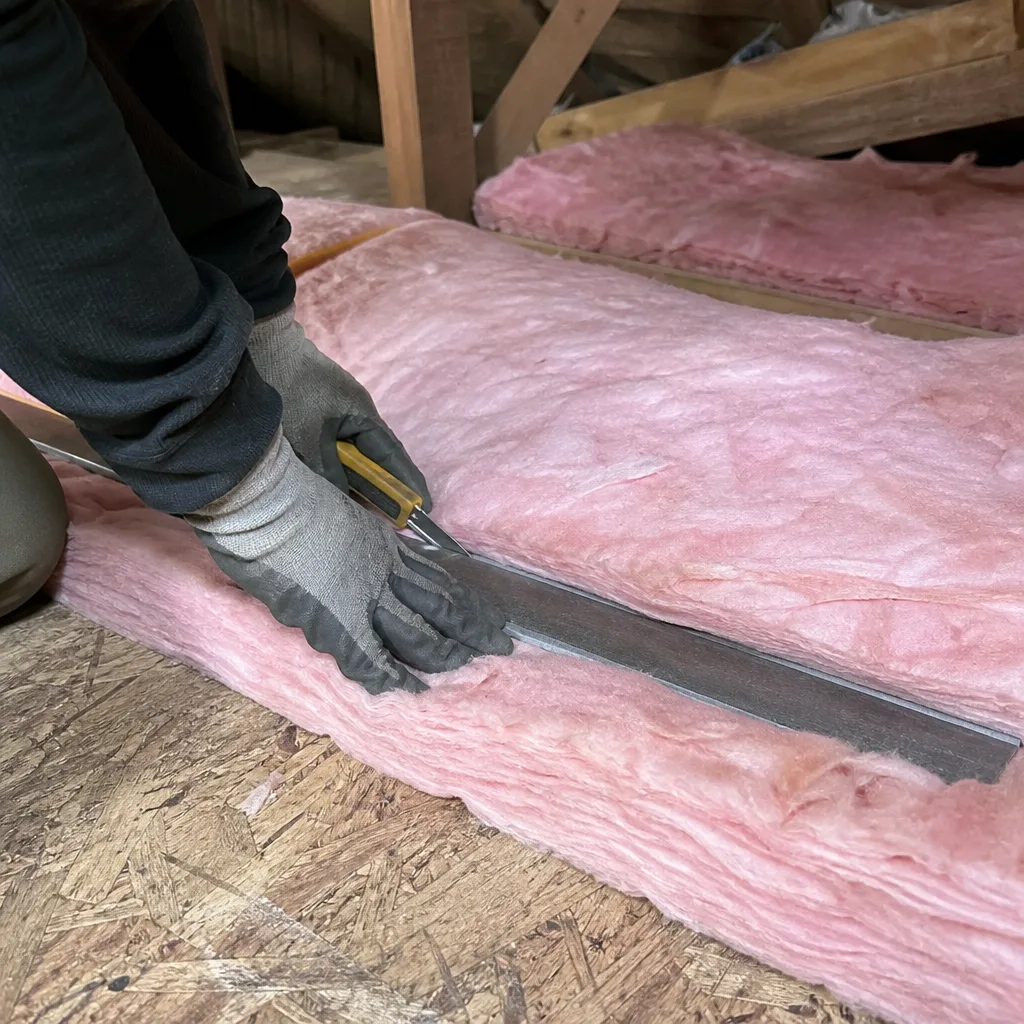
There’s a safe middle ground here, and then there’s where DIY goes wrong.
What you can check yourself: shine a flashlight across your attic floor on a bright day. Gaps around top plates, electrical boxes, and chimney framing will show as light leaks. Mark them with tape. You can also verify your Rockwool product line from any leftover bags. That’s useful information to have when you call.
Where DIY fails: proper air sealing requires a blower-door test to locate leaks you can’t see, fire-rated sealants at specific penetrations, and working in attic heat that routinely hits 140°F in San Marcos summers. We’ve found homeowners who sealed visible gaps with standard caulk that cracked within two seasons, or who covered can lights with non-rated enclosures that created a fire hazard. The materials aren’t expensive; the diagnosis and proper application are.
We’re not affiliated with Rockwool - we’re an independent service provider who specifies and installs compatible air sealing systems that make their insulation perform to specification. If you’ve got Rockwool in your attic and the comfort or bills didn’t improve, call (737) 337-8049. We’ll run the blower-door test, show you the numbers, and give you a written price before any work starts.
FAQs
Properly installed sealants and gasket materials last 20-30 years, which is the practical lifespan of the Rockwool insulation itself. In San Marcos, the bigger threat is not material degradation but subsequent trades - electricians, HVAC techs, pest control - cutting through sealed areas and not restoring them. We document every sealed location with photos so future work can be repaired to the same standard. Call (737) 337-8049 for an exact quote - estimates are free.
Partial repair is common and often the right approach. If your original sealing was done competently but disturbed by later work, we can spot-seal and retest. If the original work used non-rated materials or missed major bypasses, partial repair usually costs more in callbacks than doing it fully. We assess this with a blower-door test and a smoke pencil to trace active leaks. Call (737) 337-8049 for an exact quote - estimates are free.
Most complete attic air sealing jobs on a 2,000 square foot San Marcos home finish in one day, including the before-and-after blower-door testing. Homes with complex rooflines, multiple HVAC zones, or extensive can-light retrofits may run into a second day. We specify the schedule in your written scope before work begins. Call (737) 337-8049 for an exact quote - estimates are free.
Yes - every truck carries fire-rated acoustical sealant, intumescent collars for plumbing penetrations, preformed gasket dams for soffit and chimney bypasses, and airtight can-light covers in standard 6″ and 4″ sizes. We also stock compatible materials from Owens Corning, Johns Manville, and other manufacturers, so we’re not locked into a single supplier if your specific application calls for something different. Call (737) 337-8049 for an exact quote - estimates are free.
Written by Wes Okafor, Owner, Topside Attic Insulation San Marcos at Topside Attic Insulation San Marcos, serving San Marcos and nearby areas.