

How Much Does Spray Foam Insulation Cost in San Marcos?
Our Spray Foam Insulation services in San Marcos, TX typically cost between $1.50 and $4.50 per square foot, depending on whether you choose open-cell or closed-cell foam and how much area needs to be covered. Most homeowners in San Marcos pay somewhere between $1,800 and $6,500 for a full attic or crawl space application, with closed-cell jobs running higher because the material itself costs more per board foot. Get a written price before any work starts – that’s non-negotiable under the Haven Standard – and the number on that paper should reflect your actual square footage, not a ballpark pulled from a regional average.
Spray Foam Insulation Cost Breakdown (2026)
The table below reflects current San Marcos market pricing as of 2026. These are real dollar ranges, not national averages pulled from a content farm. Factors like attic configuration, existing insulation removal, and whether the substrate needs air sealing before foam is applied will move your number up or down within these bands.
| Application / Foam Type | Typical Price Range | Notes |
|---|---|---|
| Open-cell spray foam (per sq ft) | $1.50 – $2.25 | Best for interior walls, open attics with conditioned space below |
| Closed-cell spray foam (per sq ft) | $3.00 – $4.50 | Higher R-value per inch; required for crawl spaces and exterior applications |
| Attic roof deck (open-cell, 1,200 sq ft) | $2,000 – $3,200 | Converts vented attic to conditioned space; common in San Marcos new builds |
| Attic roof deck (closed-cell, 1,200 sq ft) | $4,200 – $6,500 | Used when moisture infiltration is a documented concern |
| Crawl space encapsulation with closed-cell foam | $2,800 – $5,200 | Hays County homes with pier-and-beam foundations frequently need this |
| Rim joist sealing (per linear foot) | $3.00 – $6.00 | Often added during a crawl space job; high air-leak priority in older San Marcos homes |
| Existing insulation removal before spray foam | $400 – $1,200 | Required when old blown-in or batt insulation covers top plates that need to be sealed first |
| Air sealing (top plates, can lights, penetrations) | $350 – $900 | At Envelope Insulation Co., this step is completed before any foam is added – not optional |
A few things push prices toward the top of these ranges in San Marcos specifically. Homes built between 1978 and 2002 in the older Dunbar/Craddock Avenue corridor tend to have non-standard attic configurations – partial knee walls, HVAC equipment staged mid-attic – that require more setup time. Homes near the Blanco River in low-lying parts of San Marcos also see higher closed-cell recommendations because persistent humidity levels can cause open-cell foam to underperform in moisture-heavy substrates.
On the lower end of the ranges, you’ll usually find single-story slab-foundation homes built after 2005 with clean, open attic decks and no prior insulation that needs to come out first. If the crew can get in, measure, and spray without spending half a day on teardown or obstacle clearance, the per-square-foot cost drops closer to the floor of each band.
One cost item that doesn’t show up enough in competitor pricing guides: air sealing before foam. At Envelope Insulation Co., sealing top plates, can lights, and any penetrations is a hard prerequisite – the crew completes it before touching the spray rig. Some contractors skip this step or charge nothing for it because they’re not doing it. When you compare quotes, confirm in writing whether air sealing is included or excluded. A blower-door test before and after the job will tell you whether it happened.
What Affects Spray Foam Insulation Pricing in San Marcos
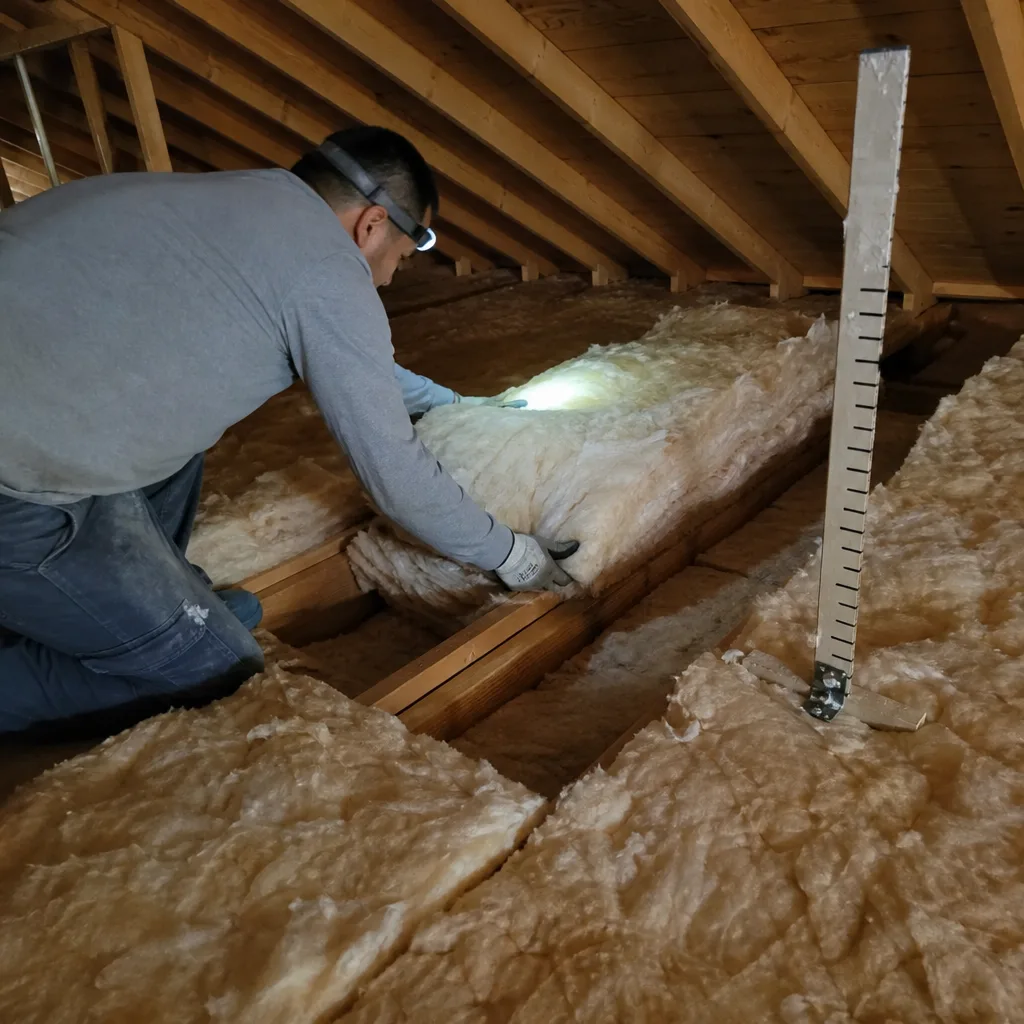
- Open-cell vs. closed-cell foam: Open-cell foam (roughly R-3.5 per inch) costs about half what closed-cell foam (R-6 to R-7 per inch) does. For an unconditioned attic deck in San Marcos, open-cell is often sufficient if the space below stays conditioned year-round. Closed-cell is the right call when you need a vapor retarder built into the foam layer itself – common in crawl spaces under Hays County homes where ground moisture is a documented issue.
- Square footage and attic geometry: Straight square footage is only part of the equation. A 1,500-square-foot attic with a simple gable roof is faster to spray than the same footprint with multiple dormers, a hip roof with tight corners, or HVAC equipment staged on the deck. Complex geometry costs more per square foot because it takes longer to spray safely and consistently.
- Existing insulation condition: If old blown-in fiberglass or cellulose is sitting over your top plates, it has to come out before air sealing can happen. In San Marcos homes built in the 1980s and early 1990s, we regularly find R-19 batts that were installed without sealing a single penetration first. Removal adds $400 to $1,200 to the job, but spraying over unsealed attic floors doesn’t solve the problem – it hides it.
- San Marcos climate and code requirements: San Marcos sits in IECC Climate Zone 2, which mandates higher R-values than much of the country. The current 2023 IECC requirements adopted in Texas call for R-49 in attics for new construction. For spray foam, that means thicker applications than a contractor in a cooler climate would spec, which increases both material and labor cost. Retrofit jobs on pre-2015 construction don’t always require full code compliance, but meeting current code is the smarter long-term investment given the average 100+ day stretches above 90°F that San Marcos sees between May and September.
- Accessibility and attic clearance: Attics with less than 30 inches of clearance at the ridge, limited entry points, or HVAC ducts running through the spray zone slow the crew and affect pricing. Several neighborhoods in San Marcos – particularly older homes near LBJ Drive and the downtown historic district – have attic configurations that weren’t built with insulation access in mind. A pre-job site visit is the only way to price these accurately.
- Whether air sealing is included or not: This one deserves its own line item because it’s the most common source of price confusion. A quote that excludes air sealing will always look cheaper than one that includes it. The blower-door reading afterward will tell you what you actually got. When Wes Okafor’s crew leaves a job, you receive before-and-after blower-door numbers – a pressurization measurement that shows, in a single figure, how much conditioned air the home was losing before and after the work. That documentation is standard on applicable jobs, not an upgrade.
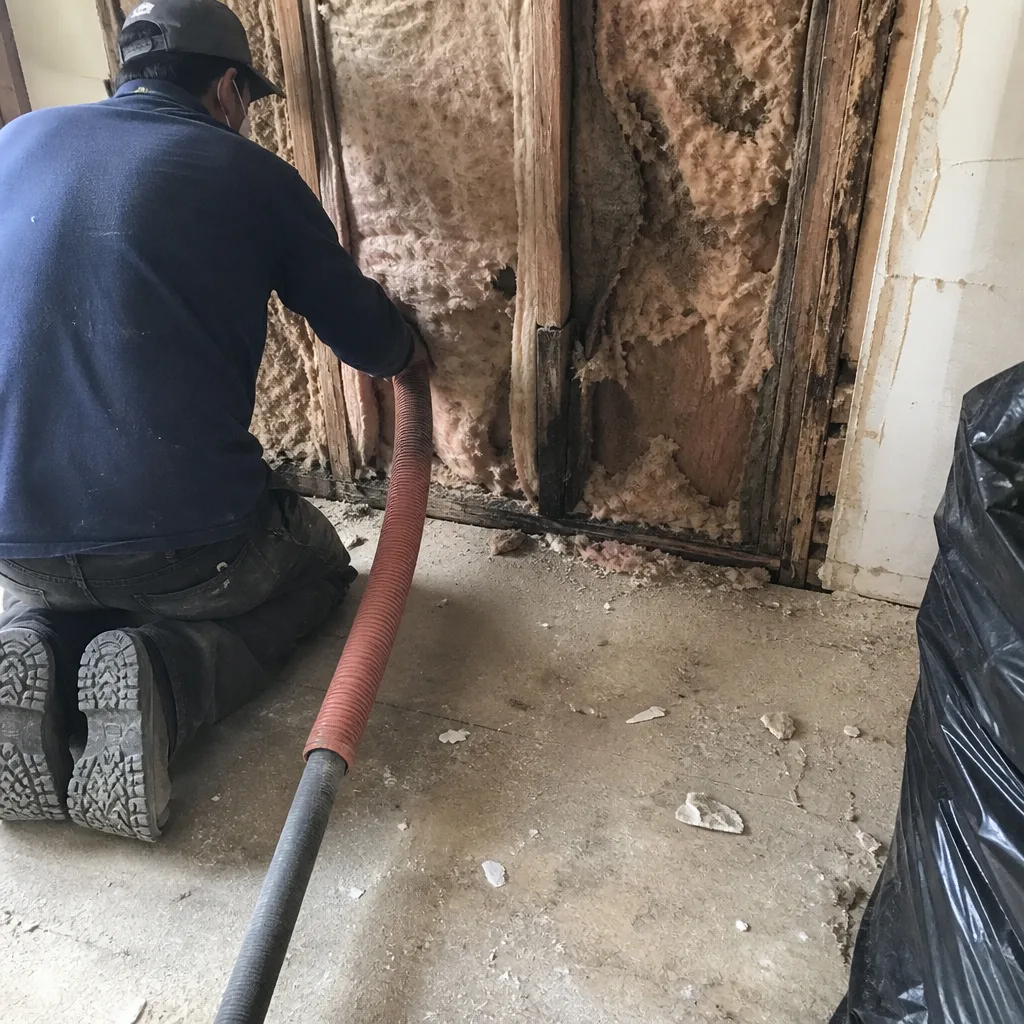 Before
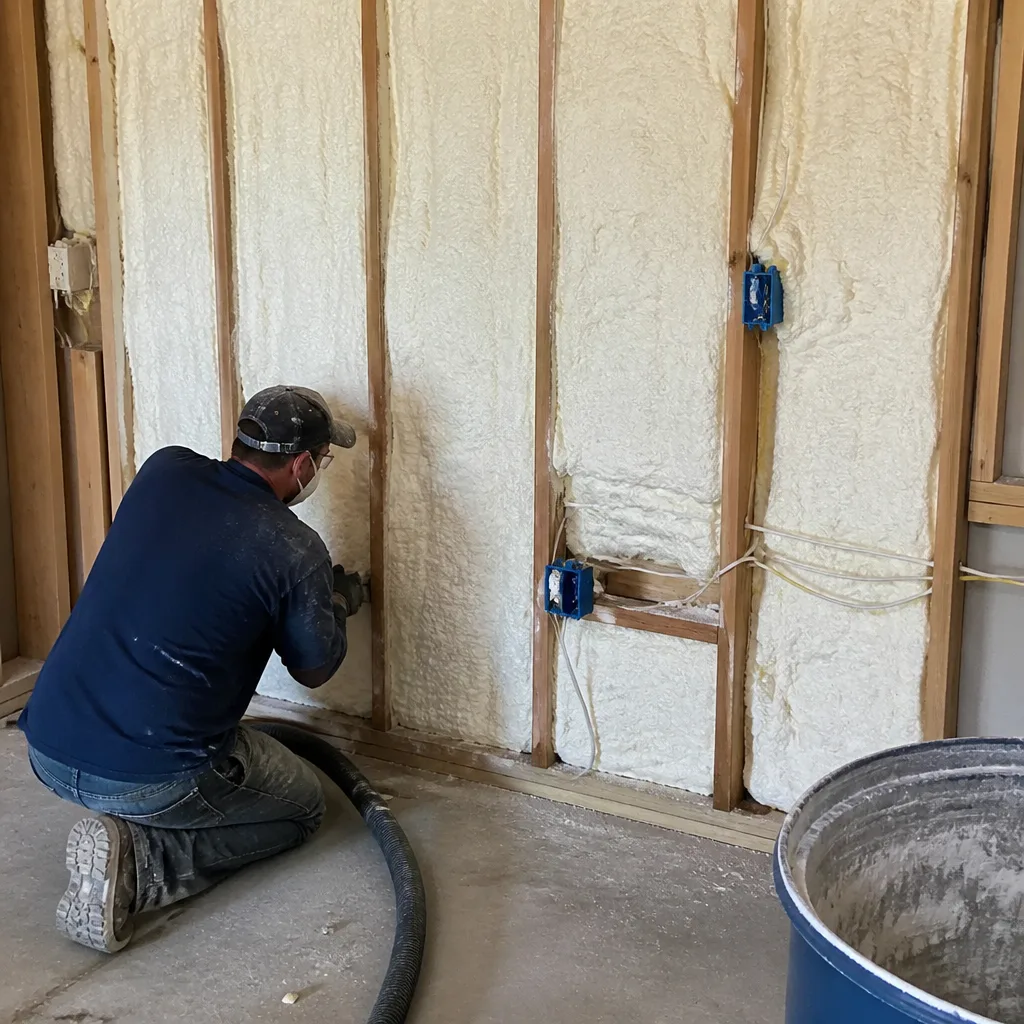 After
AfterOpen-Cell vs. Closed-Cell Spray Foam: Which Is Right for San Marcos Homes?
This question comes up on nearly every estimate in San Marcos, so it’s worth a clear answer rather than a hedge.
Open-cell foam at roughly 3.5 inches (R-13) is commonly used on interior wall cavities and unvented attic roof decks where the goal is air sealing plus insulation in a single pass. It’s vapor-permeable, which means moisture can still move through it – that’s a feature in some applications and a liability in others. For most San Marcos attic deck applications in homes where the interior is climate-controlled, open-cell at 5.5 inches (approximately R-19) or more performs well and costs significantly less than closed-cell.
Closed-cell foam at R-6 to R-7 per inch is denser, more rigid, and acts as a Class II vapor retarder – meaning it slows moisture movement significantly. For crawl spaces, exterior walls, and any substrate that sees ground contact or persistent humidity, closed-cell is the correct spec. Several San Marcos neighborhoods near Spring Lake and the Blanco River floodplain see elevated groundwater levels seasonally, and we see more moisture-related insulation failures in those areas than anywhere else in Hays County. Closed-cell isn’t overkill in those contexts – it’s the right material for the environment.
A hybrid approach – closed-cell for the first 2 inches to create a vapor retarder, then open-cell on top to reach target R-value – is sometimes the right answer when budget is a factor and moisture risk is moderate. A blower-door test and moisture reading at the time of the estimate will clarify which path makes sense for your specific home.
Spray Foam vs. Other Insulation Types: Cost Comparison
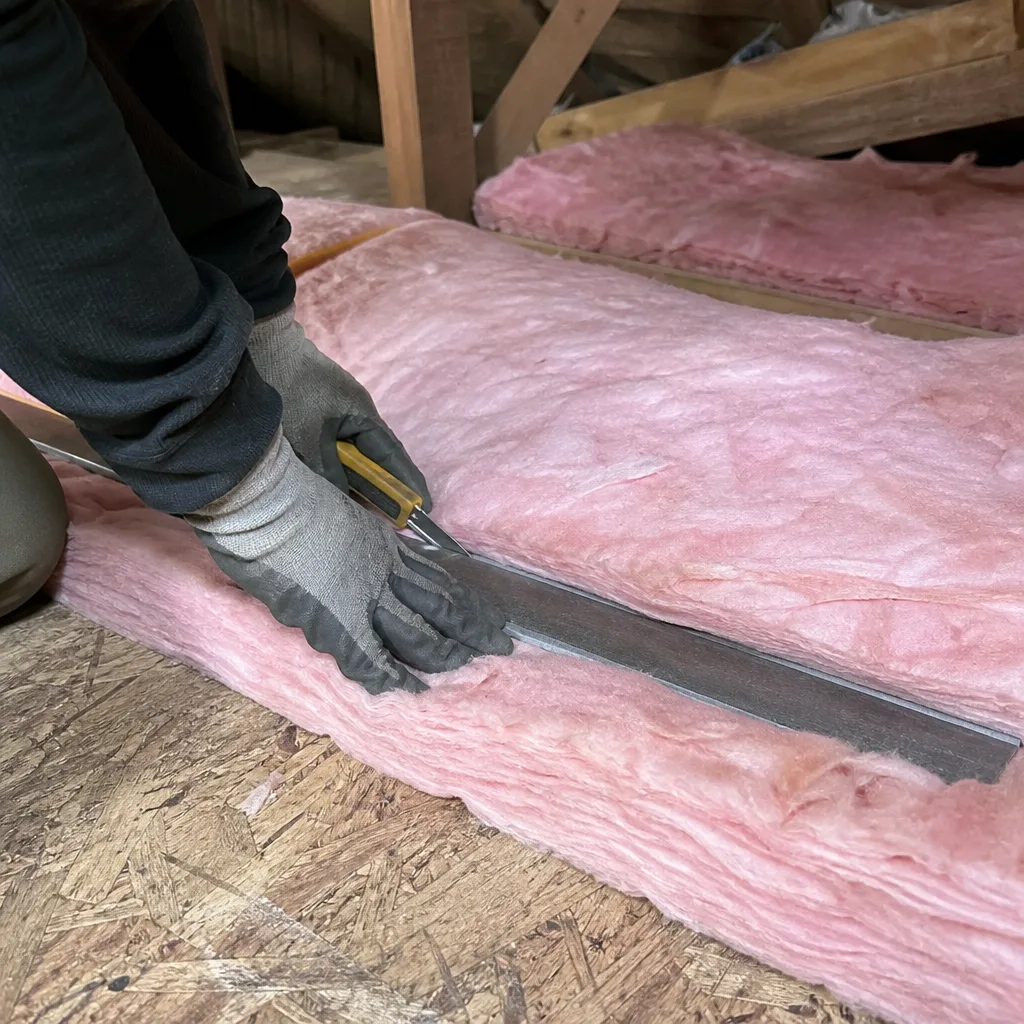
Spray foam costs more per square foot than blown-in fiberglass or cellulose, and that price difference is real. It’s also worth understanding what you’re paying for before deciding it’s too expensive.
- Blown-in fiberglass or cellulose (attic floor application): $0.80 – $1.60 per square foot. Lower cost, good thermal performance at depth, but zero air-sealing value on its own. The attic floor still needs to be sealed before it goes in – top plates, can lights, and all penetrations. Without that step, a perfectly thick layer of blown-in insulation can still leave a home leaking the equivalent of a 4-square-inch hole for every 100 square feet of ceiling.
- Batt insulation (wall cavities): $0.50 – $1.00 per square foot installed. Common in new construction, performs well when installed correctly, but rarely fills wall cavities fully and has essentially no air-sealing benefit.
- Spray foam (open-cell, attic roof deck): $1.50 – $2.25 per square foot. Seals and insulates in one pass, eliminates the vented attic entirely when applied to the roof deck, and brings HVAC equipment inside the conditioned envelope – a meaningful energy benefit in San Marcos summers when attic temperatures regularly exceed 145°F.
If your goal is the lowest possible upfront cost and your attic floor is already air-sealed properly, blown-in insulation is a legitimate answer. If your attic has never been air-sealed, or if you have HVAC equipment or ductwork in the attic, spray foam on the roof deck is worth the price difference because it solves a different problem than blown-in ever can.
For a closer look at all the installation details and application types available in San Marcos, the Spray Foam Insulation in San Marcos service page covers the full scope of what a job typically includes.
How to Save on Spray Foam Insulation in San Marcos
Get a written, itemized quote – not a per-square-foot ballpark. A flat per-square-foot number is a starting point, not a price. The written scope tells you whether air sealing is included, what happens if old insulation needs to come out, and what warranty coverage looks like after the crew leaves. Under Haven Standard Clause 1, the price is written before any work starts – that’s how you compare two quotes fairly.
Ask for a blower-door reading at estimate time. Knowing your current air leakage rate – measured in CFM50, the volume of air moving through your building envelope at 50 pascals of pressure – tells you what you’re actually buying before you spend anything. If your home reads 4,000 CFM50 and your neighbor’s comparable home reads 1,800, you have documented evidence that air sealing will make a measurable difference. That data also helps you prioritize where to spend: sometimes a well-targeted air-sealing job without additional foam is the right first step.
Check for utility rebates and federal tax credits. CPS Energy and Pedernales Electric Cooperative (which serves parts of Hays County) have offered rebate programs for qualifying insulation upgrades in recent years. The federal 25C energy efficiency tax credit currently allows homeowners to claim up to 30% of qualifying insulation and air-sealing costs, up to $1,200 per year. Eligibility depends on your tax situation – confirm with your accountant – but this credit alone can offset a meaningful share of a spray foam job.
Bundle the work. If you’re already opening up the attic for an HVAC replacement or a roof re-deck, adding spray foam at that point costs less than scheduling it as a standalone job later. The setup and teardown time is shared across both scopes.
Don’t skip air sealing to save money on the front end. Spraying foam over an unsealed attic floor doesn’t eliminate the air leaks – it covers them. You’ll still lose conditioned air through top plates and can light penetrations; you just won’t be able to see them anymore. The thermal performance will be there, but the air-sealing performance won’t. The blower-door test afterward makes this visible in a single number.
Bring a competing written estimate for a second opinion. Envelope Insulation Co. reads competitor quotes with you at no charge. Not to undercut the number, but to make sure you understand what’s included and what isn’t. A Free Second Opinion on any written estimate is a standing offer – call (737) 337-8049 and bring the paperwork.
What the Job Looks Like Start to Finish
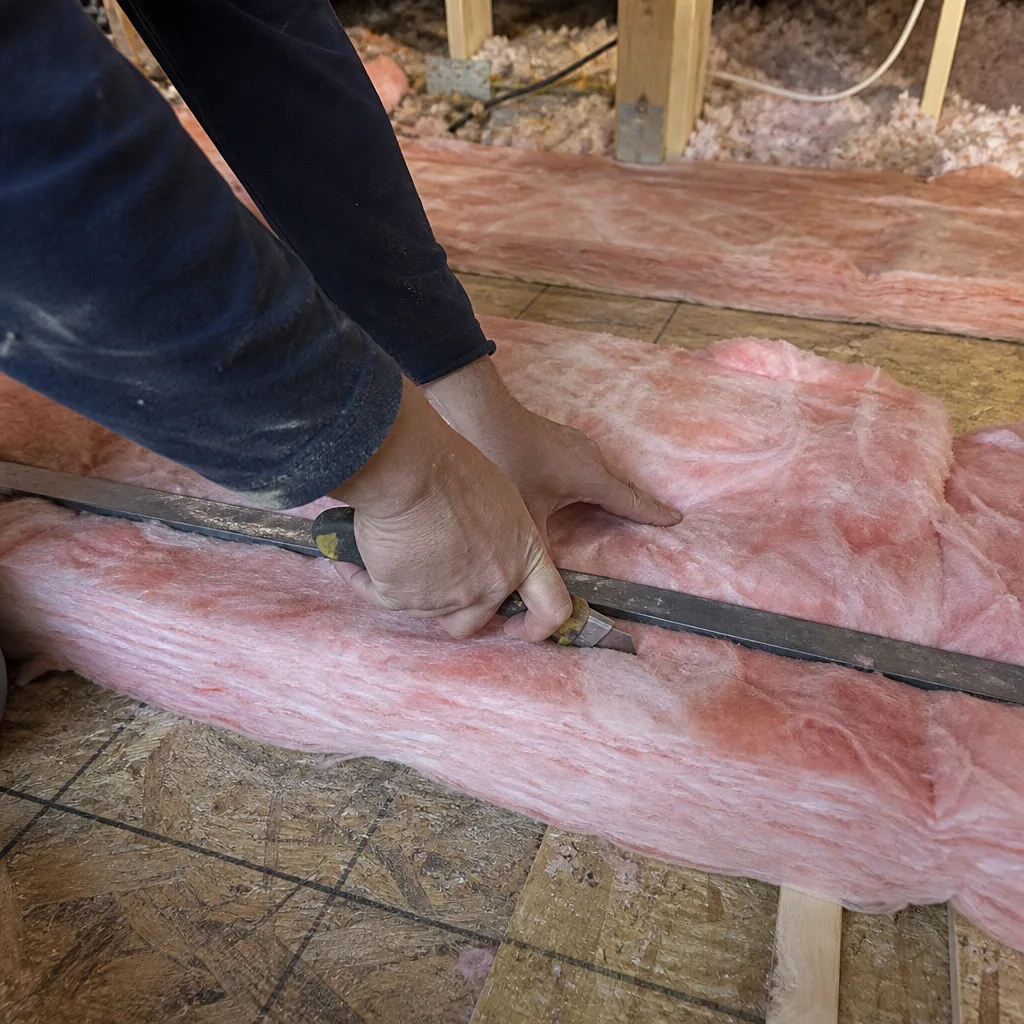
Homeowners who research contractors carefully – and San Marcos homeowners in particular tend to do this thoroughly – often want to know what leaving looks like before the crew arrives. Here’s what a spray foam job with Envelope Insulation Co. looks like from first contact to final documentation.
Before the crew touches anything: You receive a written price, a written scope of work, and a written warranty. No crew starts without all three in your hands. This is Haven Standard Clause 1 – it’s not a customer service gesture, it’s how the job is structured.
Air sealing first: Before the spray rig moves, technicians seal top plates, can light penetrations, plumbing and electrical chases, and any other identified air pathways. In San Marcos attics, the most common high-leakage points are open-web floor trusses at the top plate line, recessed can lights from the 1990s and 2000s that have no airtight housing, and HVAC boot penetrations. These are sealed with appropriate materials before foam goes on.
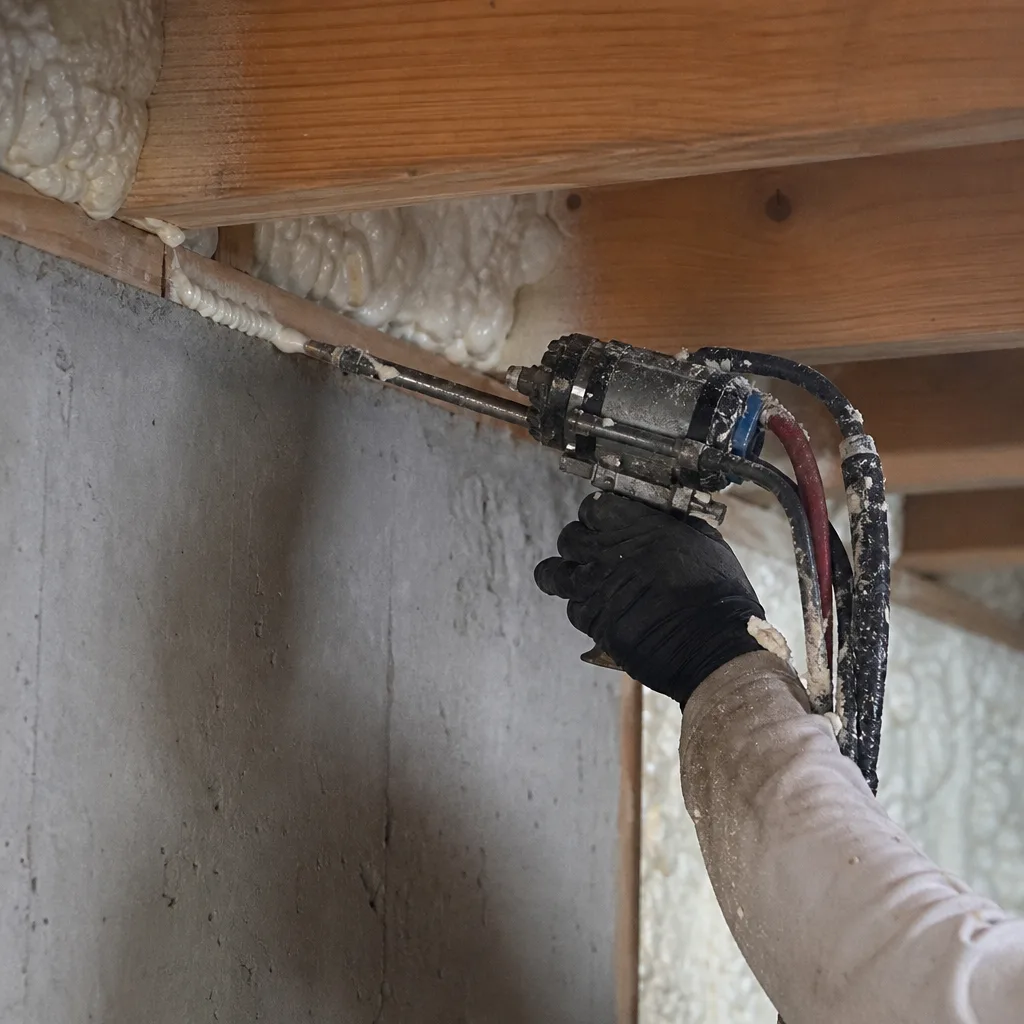
Spray foam application: The foam is applied in passes to reach target thickness. Application temperatures and humidity levels affect cure time – another reason San Marcos jobs in July and August may have slightly different scheduling requirements than winter work. Technicians wear appropriate PPE; the space needs to be unoccupied during application and for a period after, which will be specified in your written scope.
After the work is done: You receive a Documented Photo Record – photos of conditions before and after, including sealed penetrations and foam coverage. On applicable jobs, you receive before-and-after blower-door readings so you have a documented measurement of the air-sealing result, not just someone’s word that it went well. The 365-Day Done Right Promise covers the completed work: if it’s not right, Wes Okafor’s team makes it right.
San Marcos-Specific Considerations
San Marcos is a faster-growing city than most insulation pricing guides account for. New construction in developments off Wonder World Drive and along the Kyle corridor means a significant portion of local insulation work involves homes built in the last five years – homes that technically meet code but often have attics that have never been air-sealed properly before blown-in insulation was added at the builder stage.
Older homes near the Texas State campus, the Belvin Street historic area, and the Dunbar neighborhood present the opposite problem: construction-era practices that predate modern air-sealing standards, R-19 batts over unsealed attic floors, and HVAC equipment staged in vented attics where summer temperatures make efficient operation nearly impossible.
The Blanco River floodplain adds a moisture variable that doesn’t exist in drier parts of Hays County. Homes in the Martindale and Rio Vista areas south of San Marcos also see higher ground moisture than the upland neighborhoods, and that changes the foam specification.
Spring and fall are the busiest seasons for insulation work in San Marcos, partly because homeowners notice comfort problems during the shoulder months when their HVAC shouldn’t be running constantly. If you’re scheduling in those windows, lead time for written estimates may run a week or two. Summer scheduling is often faster because the work itself is less comfortable in a 145-degree attic, which keeps some of the demand off those months.
You can start with general background on what insulation services cover and how Envelope Insulation Co. approaches the building envelope on our home page, then return here when you’re ready to talk specific numbers.
FAQs – Spray Foam Insulation Cost in San Marcos
How much does spray foam insulation cost per square foot in San Marcos?
Open-cell spray foam runs $1.50 to $2.25 per square foot installed in San Marcos; closed-cell runs $3.00 to $4.50 per square foot. These ranges reflect current 2026 labor and material costs in the Hays County market. The final number on your written quote will depend on foam type, application area, attic configuration, and whether air sealing or existing insulation removal is included in scope. Call (737) 337-8049 for a written price specific to your home’s square footage and current conditions – estimates are free and the price is in writing before anyone starts.
Is spray foam insulation worth it in San Marcos’s climate?
For most San Marcos homes with HVAC equipment or ductwork in the attic, yes – the payback case is stronger here than in cooler climates. San Marcos averages more than 100 days above 90°F annually, and unconditioned attics routinely hit 145°F in July and August. Spray foam on the roof deck moves the HVAC equipment and ducts inside the conditioned envelope, which reduces the temperature differential those systems work against. A blower-door reading before and after the job quantifies the air-sealing portion of that improvement in a single measurable number. The thermal and air-sealing performance together – not either one alone – is what makes the cost defensible.
How long does spray foam insulation last in San Marcos, TX?
Properly installed spray foam – closed-cell or open-cell – has a rated service life of 80+ years when protected from UV exposure and physical damage. In San Marcos attic applications, the foam is not exposed to UV, so degradation from sunlight isn’t a factor. Closed-cell foam installed in crawl spaces should be inspected periodically for physical damage from pests or moisture intrusion at the substrate, but the foam material itself doesn’t degrade under normal conditions. The 365-Day Done Right Promise covers installation quality for the first year; after that, the material’s longevity depends on conditions at the substrate, not the foam itself.
Do I need a permit for spray foam insulation in San Marcos?
For most retrofit insulation jobs on existing residential structures in San Marcos, a permit is not required. Converting a vented attic to an unvented (conditioned) attic by spraying foam on the roof deck can trigger a mechanical permit in some jurisdictions because it changes the attic’s relationship to the HVAC system and may require an HVAC evaluation. The City of San Marcos building department is the authoritative source on current requirements for your specific scope of work. Envelope Insulation Co. will clarify permit requirements in the written scope before any work starts – if a permit is needed, you’ll know before signing anything.
Can spray foam be added on top of existing insulation in San Marcos?
It depends on where the existing insulation is and what’s under it. Spray foam can be applied to a roof deck in an attic that already has blown-in insulation on the attic floor – those are two different planes of the building envelope. But if the goal is to air-seal the attic floor and then add foam, existing blown-in or batt insulation on that floor typically needs to come out first so the top plates and penetrations can be properly sealed. Spraying foam over an unsealed attic floor doesn’t fix the air leaks – it covers them. Removal costs $400 to $1,200 depending on depth and square footage; it’s a real cost, but it’s the correct sequence. Call (737) 337-8049 and we’ll assess your existing conditions and give you a written price that reflects the actual scope.
What’s the difference between spray foam and blown-in insulation cost in San Marcos?
Blown-in fiberglass or cellulose on an attic floor runs $0.80 to $1.60 per square foot in San Marcos – significantly less than spray foam. The cost difference is real, but the two products solve different problems. Blown-in provides thermal resistance; it provides essentially no air-sealing benefit on its own. Spray foam on a roof deck both insulates and air-seals in a single application, and it brings the attic into the conditioned space. If your attic is already properly air-sealed and you just need additional thermal depth on the attic floor, blown-in at the lower price point may be the right answer. If it hasn’t been air-sealed, you need to address that first regardless of which insulation type you choose afterward.
Key Takeaways
- Spray foam in San Marcos costs $1.50 to $2.25 per sq ft (open-cell) and $3.00 to $4.50 per sq ft (closed-cell) in 2026.
- Most full attic or crawl space jobs in the San Marcos market run $1,800 to $6,500 depending on foam type and scope.
- Air sealing before foam is not optional – it’s the step that determines whether the job performs as specified.
- Before-and-after blower-door readings are included on applicable jobs so you have a documented measurement of results.
- Federal tax credits and local utility rebates can offset a portion of qualifying insulation costs.
- A written price before any work starts is Haven Standard Clause 1 – no job begins without it.
Get a Written Price for Your San Marcos Home
Estimates from Envelope Insulation Co. are free, and the price is always in writing before anyone starts. Wes Okafor’s team serves San Marcos and the surrounding Hays County area, and every applicable job closes with before-and-after blower-door numbers and a Documented Photo Record. If you have a competing written estimate and want a second opinion on what’s included, bring it – we’ll read it with you at no charge.
Call (737) 337-8049 to schedule your free estimate. A live person answers – no voicemail loops, no callback window measured in business days.
Written by Wes Okafor, Owner at Envelope Insulation Co. (operating as Topside Attic Insulation San Marcos), serving San Marcos, TX since 2016.
Pricing reflects the San Marcos market as of 2026. Topside Attic Insulation San Marcos offers free estimates – call (737) 337-8049.
What Our Customers Say
"Turned up on time, protected the hallway, and the written scope matched what was actually done."
- Bruno S."They air-sealed the attic floor before insulating and showed me the blower-door number before and after. The upstairs is finally the same temperature as downstairs."
- Marisol D."Two other companies quoted to blow more insulation on top of what was there. These were the only ones who said the existing material had to come out first, and explained why."
- Clifford E.