
Last updated September 24, 2026
Seasonal Insulation Care for San Marcos: Year-Round Homeowner’s Guide
Most San Marcos homeowners check their insulation once - usually after a shocking summer electric bill - and never look again. For a deeper look at what proper insulation involves, see our Complete Guide to Insulation in San Marcos. That’s backwards. In our experience across Hays County, the homes that perform best aren’t the ones with the thickest attic blanket; they’re the ones where someone looked at the right things during the two brief windows when looking actually matters. San Marcos doesn’t give you four equal seasons to work with. You get two high-load periods separated by two narrow transition gaps. Miss those gaps, and you’re guessing about performance when it counts most.
Quick Answer
Seasonal insulation care in San Marcos means inspecting and adjusting your building envelope during two six-week windows: late March through April, before cooling season, and late October through early November, before heating season. These are the only periods when attic temperatures stay between 60°F and 85°F, making safe access possible and blower-door test readings accurate. Everything else is monitoring, not maintenance.
Table of Contents
- Why San Marcos Has Two Seasons, Not Four
- The October-November Window: Pre-Heating Prep
- The March-April Window: Pre-Cooling Check
- Why Summer and Winter Evaluations Fail
- Your Year-Over-Year Record-Keeping Template
- Materials and Methods for the San Marcos Climate
- Common Mistakes to Avoid
- When to Call a Professional
- Frequently Asked Questions
- The Bottom Line
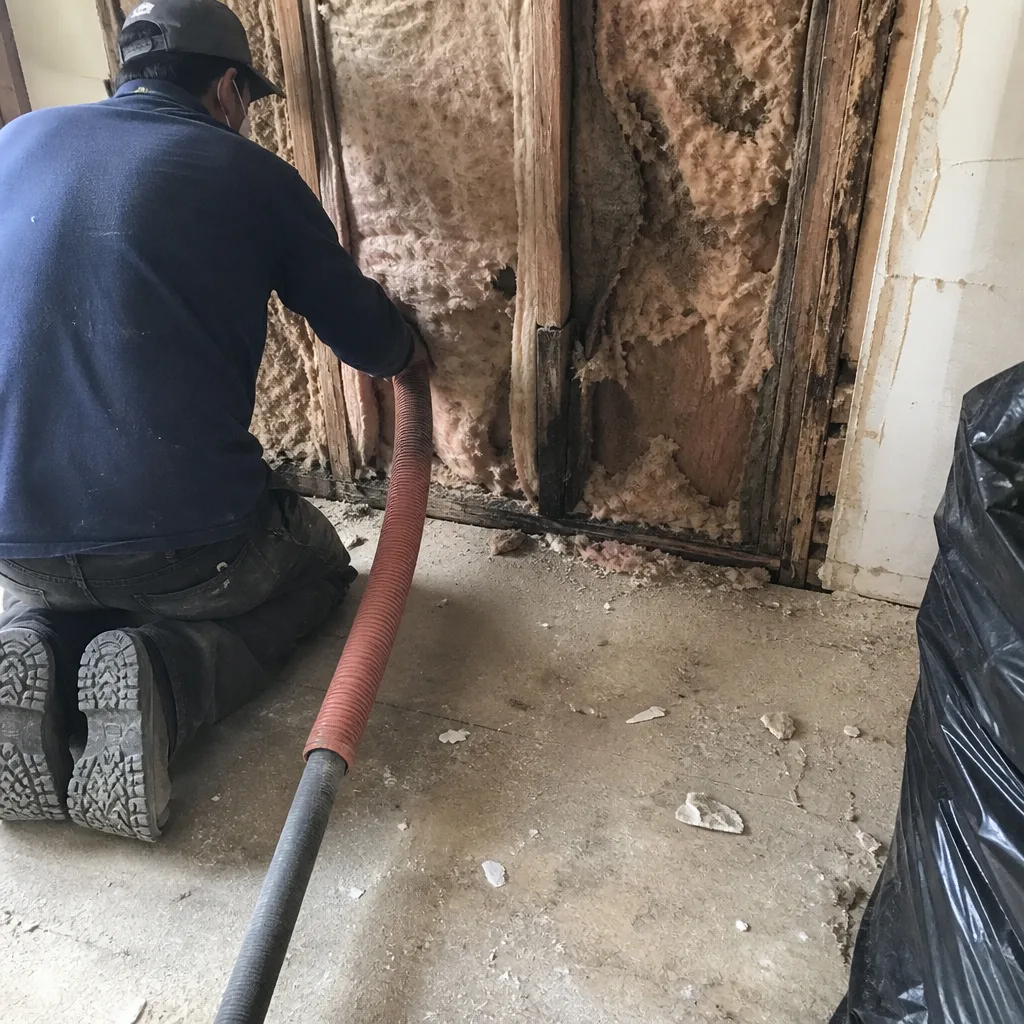 Before
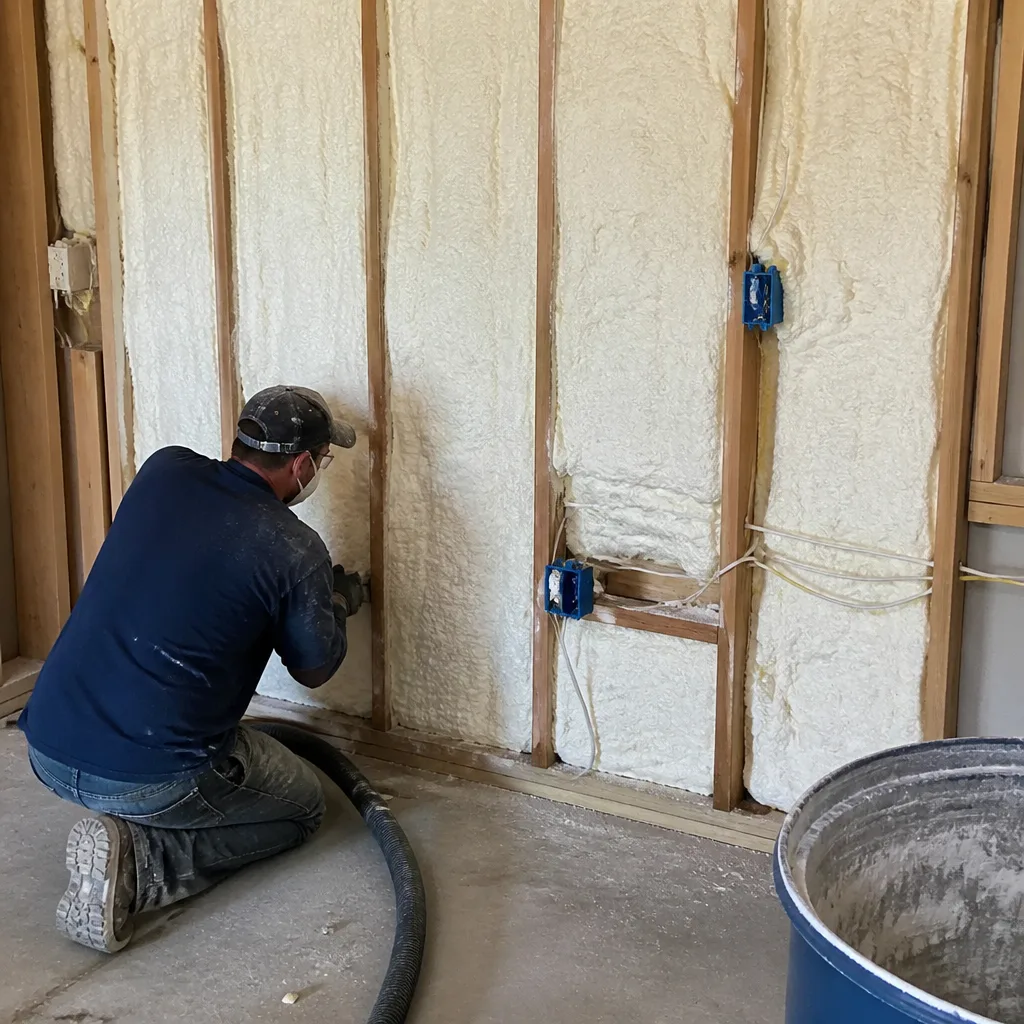 After
AfterWhy San Marcos Has Two Seasons, Not Four
The standard “spring, summer, fall, winter” calendar doesn’t match how heat moves through a San Marcos home. From June through September, attic temperatures in neighborhoods like Willow Creek and Blanco River Village regularly hit 140°F. From December through February, overnight lows dip into the 30s and occasional hard freezes stress every penetration in the envelope. Those are your high-load periods - when your insulation either works or doesn’t, but when it’s too dangerous or too confounded to evaluate properly.
The usable gaps are shorter than most homeowners realize. In late October and early November, attic temperatures finally drop below 100°F, making blown cellulose and fiberglass safe to handle without heat stress on the installer or the material. The air is still dry, so blower-door tests read without wind interference or humidity skew. By late March through April, the attic has cooled from winter but hasn’t yet accumulated the solar load that makes June unbearable. These are your inspection and intervention windows.
We’ve measured this directly. In a 2022 job near Texas State University, we logged attic temperature at 2 PM across twelve months. The envelope stayed above 100°F from mid-May through mid-October. Below 60°F, cellulose becomes brittle and doesn’t settle predictably. That leaves roughly six weeks in fall and six in spring when conditions support both accurate measurement and safe modification.
This matters for more than comfort. San Marcos sits on the edge of IECC Climate Zone 2, with local amendments through Hays County that affect attic ventilation requirements. Inspectors here know the difference between a code-minimum job and one that performs. The transition windows are when you can verify compliance without the confounding variables of extreme load.
The October-November Window: Pre-Heating Prep
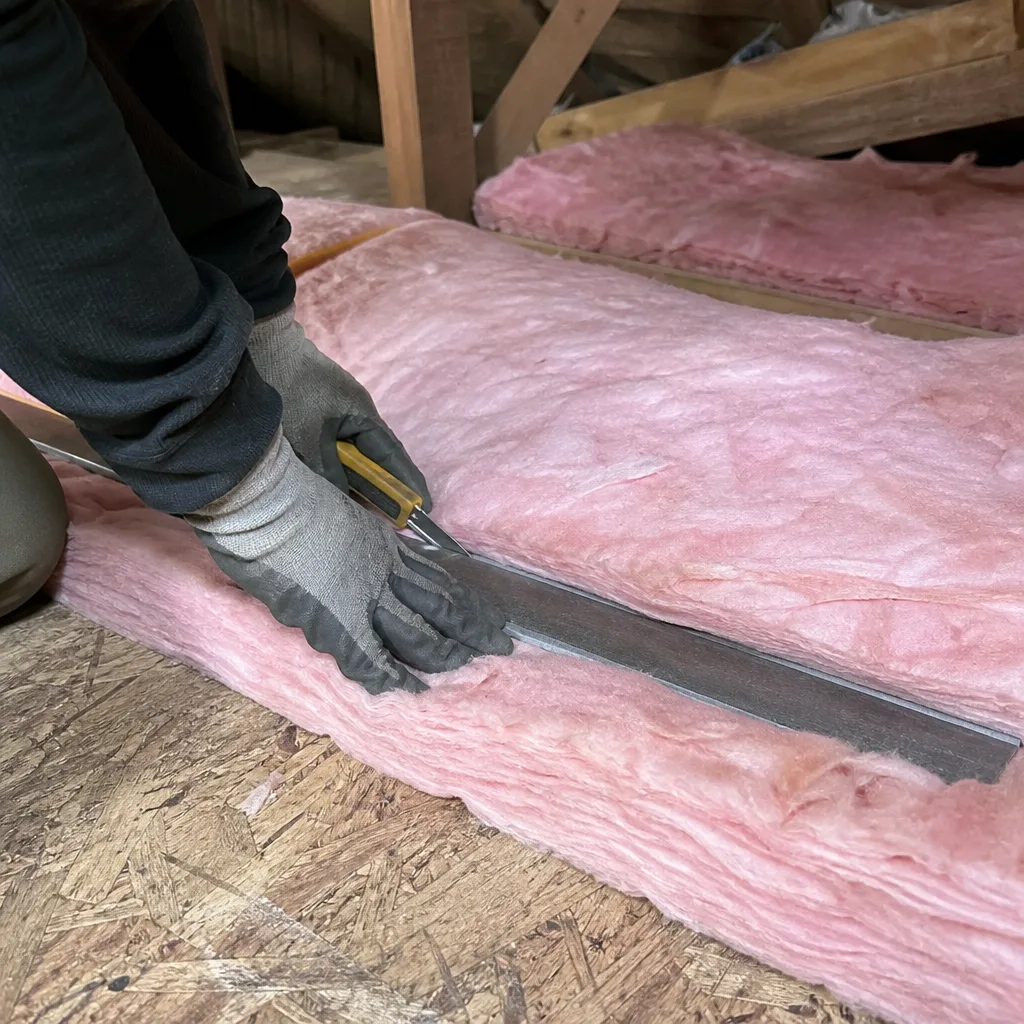
This is the more important of the two windows, and the one most San Marcos homeowners miss entirely. After four months of 100°F+ attic temperatures, your insulation has undergone thermal cycling that compresses loose-fill, stresses batts at framing edges, and can displace vapor barriers. The cooling season is ending. You have maybe six weeks before the first sustained heating demand, and this is when you catch the problems that make December bills painful.
What to Check
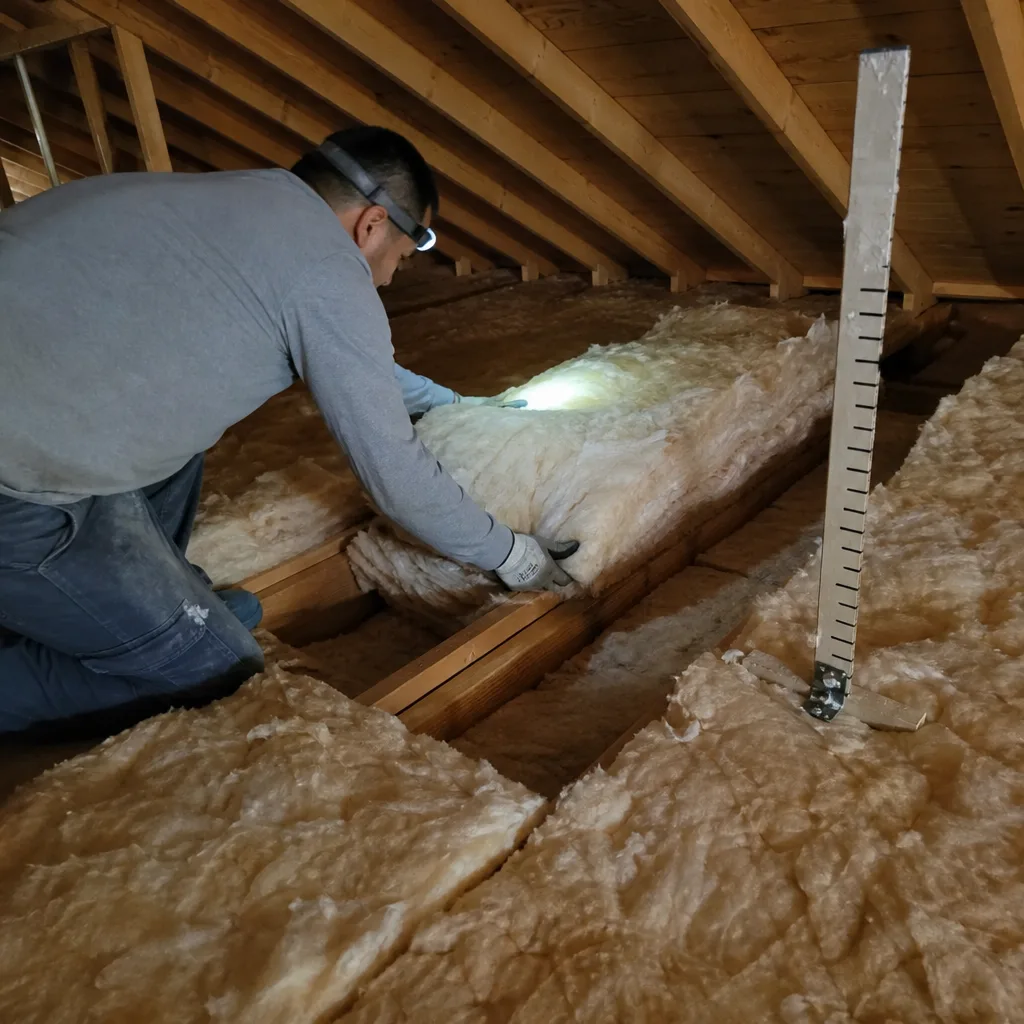
- Depth measurements at fixed reference points. Mark five spots on your attic floor - we recommend one near the access hatch, one at each gable end, and two at mid-span. Measure insulation depth with a yardstick, not a tape measure that bends. Record to the half-inch. In San Marcos, R-38 to R-49 is the practical target for attic floors, which translates to roughly 12-15 inches of blown fiberglass or 10-13 inches of cellulose, depending on product density. If you’re below 10 inches anywhere, you’ve got a problem.
- Ridge sheathing and rafter faces for moisture staining. Summer condensation events happen in San Marcos attics more than people realize. Cool night air meets hot roof decking; if your ventilation is marginal, moisture condenses on the north-facing sheathing. Look for gray or black streaks, not just obvious mold. In the Millview area, where older homes have limited soffit venting, we see this pattern repeatedly.
- Recessed light caps and top-plate seals. Pests are active in fall. We’ve found displaced light caps in San Marcos attics where squirrels or roof rats pushed through for warmth, breaking the air seal that was installed in spring. Check every IC-rated fixture cap and every top-plate penetration. If you can see daylight or feel airflow, the seal is gone.
- HVAC duct connections at the plenum. Thermal cycling from June through September loosens flex-duct clamps. A disconnected return duct in a 130°F attic pulls that air straight into your system. In pre-2010 San Marcos builds, we find this in roughly one of every four attics we enter.
- Soffit vent clearance. Insulation baffles - the cardboard or foam channels that keep soffit vents open - collapse or get blocked by settling material. Without continuous soffit-to-ridge airflow, your attic becomes a solar oven next summer. Verify every bay has an open path.
Fall is also the optimal time for major work if you need it. Attic insulation in San Marcos installed in late October has time to settle and stabilize before the heating peak. We schedule our densest workload in these six weeks because the conditions support accurate blower-door testing - the pressurization reading that shows, in one number, how much conditioned air your building envelope was losing before and after the work.
The March-April Window: Pre-Cooling Check
March in Hays County is unpredictable. Daytime highs swing from 55°F to 80°F; overnight lows still touch the 40s. Those 30°F daily swings stress every material in your building envelope. By late March, you should know whether your insulation survived winter intact.
What to Check
- Soffit vent blockage from winter insulation settling. Cold air accelerates settling in loose-fill products. We’ve measured 15-20% depth loss in San Marcos attics between November and March, especially with fiberglass blown below manufacturer-recommended density. Re-measure your five fixed points. If depth dropped more than two inches, you need replenishment or stabilization.
- Pest entry points opened during cold snaps. February 2021 taught San Marcos homeowners what extended freeze can do. Rodents forced inward by cold find existing gaps or create new ones at eave returns, plumbing vents, and chimney chases. Look for disturbed insulation, droppings, or - in advanced cases - compressed trails through blown material. Crawl space encapsulation and vapor barrier in San Marcos often reveals related entry points that attic inspection misses.
- HVAC duct connections stressed by temperature swings. The same daily 30°F swing that affects insulation also flexes ductwork. Metal expands and contracts; flex duct fatigues at bends. Check visible connections for gaps, and listen for whistling when the system cycles. A duct leaking 15% of its air into the attic adds directly to your summer cooling load.
- Attic access hatch seal and weatherstrip. This is the single most common failure we find in spring. The hatch gets opened in winter for holiday decoration retrieval, and the seal never seats properly again. A ¼-inch gap around a standard 30×30 hatch is equivalent to a six-inch hole in your ceiling. Replace compressed weatherstrip and verify positive latch contact.
- Moisture indicators in insulation. Winter humidity in San Marcos is low, but bathroom vents terminated in attics - still common in 1980s builds near Rio Vista - deposit moisture that freezes and then melts into surrounding material. Probe with a moisture meter or simply smell: musty cellulose or clumped fiberglass indicates a venting problem, not just an insulation problem.
Spring inspection has a hard deadline: by mid-May, attic temperatures make safe access impossible until October. If you find problems in April, you have roughly four weeks to schedule correction before the season closes.
Why Summer and Winter Evaluations Fail
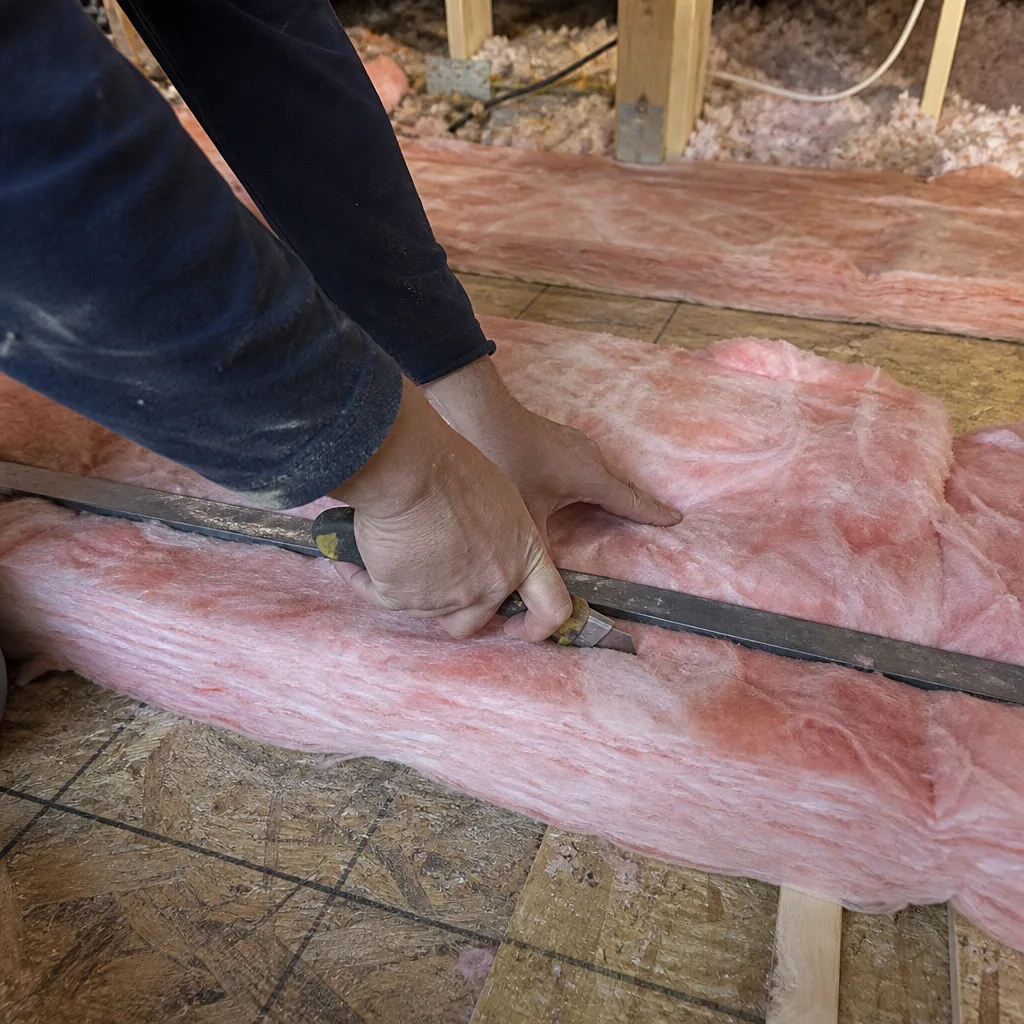
We get calls every July from San Marcos homeowners convinced their insulation has failed. The upstairs won’t cool below 78°F; the electric bill doubled. They want an insulation assessment immediately. We explain why this is the wrong moment to evaluate.
Summer conditions confound every diagnostic. Your thermostat behavior reflects not just insulation performance but equipment age, refrigerant charge, duct leakage percentage, and solar gain through windows. A west-facing bedroom in San Marcos with single-pane windows and no exterior shading will overheat regardless of attic R-value. The insulation might be fine; the glazing is the problem. Or the insulation might be degraded; you can’t tell because the 3-ton system is actually delivering 2.2 tons due to a refrigerant leak. These variables don’t isolate.
Winter has a different confound: furnace runtime. A 30-year-old gas furnace at 65% AFUE runs constantly in January not because the attic is underinsulated but because it can’t deliver enough BTUs efficiently. A homeowner adding insulation to that system gets minimal return. The correct sequence is: verify equipment performance, seal the envelope, then add insulation if the load calculation supports it.
The only evaluation that isolates the building envelope is a blower-door test in mild weather - ideally in that October-November or March-April window, when indoor-outdoor temperature difference is under 20°F and wind speeds are moderate. At 50 pascals of depressurization, the blower door measures total envelope leakage in CFM50. We performed one in a 1978 ranch near San Marcos High School last November: 3,800 CFM50 before work, 1,900 after air sealing and insulation replacement. That number - 1,900 - is the only performance metric that isn’t confounded by equipment, weather, or occupant behavior.
This is why we publish before-and-after blower-door numbers on every applicable job. A homeowner with that documented record knows their envelope’s baseline. Without it, summer and winter complaints are just guessing.
Your Year-Over-Year Record-Keeping Template
The homeowners who get the most from their insulation maintain a simple log. We’ve refined this template across 9,000+ homes sealed and insulated since 2016. It takes ten minutes twice yearly and creates an objective history that prevents reactive, expensive decisions.
Fixed-Point Depth Log
Mark five permanent locations in your attic. We suggest:
- Point A: Within 3 feet of the access hatch
- Point B: North gable end, mid-span
- Point C: South gable end, mid-span
- Point D: Center of attic, east-west midpoint
- Point E: Center of attic, north-south midpoint
Record depth in inches, material type, and date. A simple table:
| Point | Oct 2024 | Apr 2025 | Oct 2025 |
|---|---|---|---|
| A | 14.0″ | 13.5″ | - |
| B | 13.5″ | 12.0″ | - |
| C | 14.5″ | 14.0″ | - |
| D | 13.0″ | 11.5″ | - |
| E | 14.0″ | 13.0″ | - |
Any point dropping more than 1.5 inches between readings indicates settling, disturbance, or moisture compression. Investigate before adding more material.
Blower-Door Baseline
If you’ve had professional air sealing, record your ACH50 (air changes per hour at 50 pascals) or CFM50. Target for San Marcos climate zone: 3-5 ACH50 for existing homes, sub-3 for new construction or deep retrofits. Re-test every 5 years or after any structural modification.
Utility Benchmarks
Record August kWh and January therms or kWh, normalized by degree-day if you’re precise. What matters is trend, not absolute. A 20% increase in August kWh with similar weather indicates envelope degradation, equipment decline, or both. The log tells you which to investigate first.
Photo Documentation
Take dated photos of ridge sheathing, soffit vents, and any problem areas. Compare year-over-year. This is the minimum documentation we provide on every job - a Topside Attic Insulation San Marcos home visit concludes with a photo record, not a verbal summary.
Materials and Methods for the San Marcos Climate
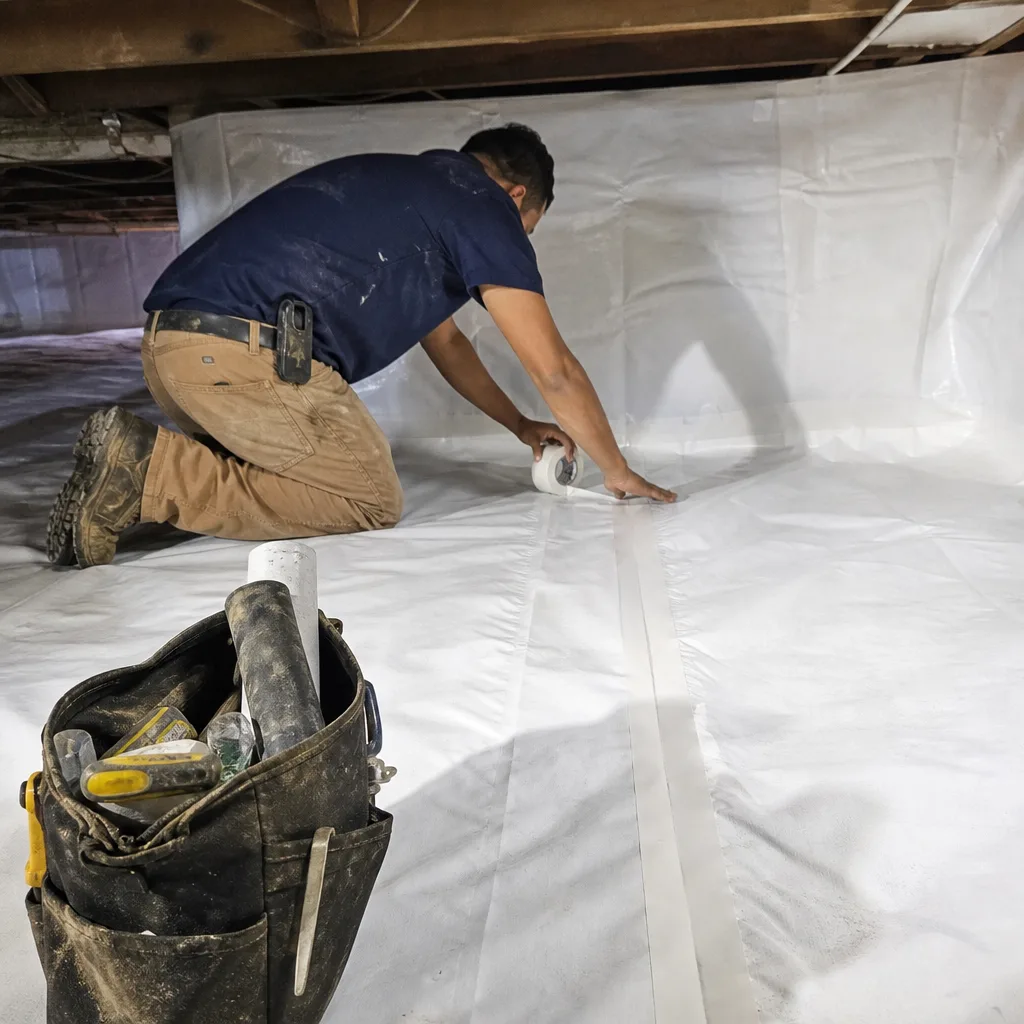
San Marcos presents a specific challenge: you need insulation that performs against cooling load nine months of the year but must also handle occasional hard freeze. The material choice affects both your seasonal care routine and your long-term performance.
Blown fiberglass (products from Johns Manville, Knauf, or CertainTeed) is the default for attic floors in this market. It doesn’t absorb moisture, settles predictably, and can be added incrementally. The trade vocabulary is “loose-fill density” - pounds per cubic foot - and most San Marcos attics we encounter are under-dense, blown at 0.5 pcf when the manufacturer specifies 0.8-1.0 pcf for R-49. Under-dense material settles faster and loses R-value. Spring inspection should include a gentle probe: if you can push to the drywall with moderate finger pressure, density is low.
Cellulose (treated borated paper, commonly GreenFiber) has higher per-inch R-value and better air-sealing synergy when dense-packed, but it requires more careful moisture management. In San Marcos, we specify cellulose only where attic ventilation is verified adequate - continuous soffit-to-ridge flow, no bathroom vents terminating inside. The March inspection is critical for cellulose: any winter moisture event shows as clumping or darkening.
Spray foam (open-cell Icynene or closed-cell Demilec) eliminates the inspection cycle for the foam itself but changes what’s inspectable. Closed-cell foam on roof decking creates an unvented attic - a conditioned space that requires different HVAC considerations. Spray foam insulation in San Marcos shifts your seasonal care to the mechanical systems, not the insulation layer. The October window should include filter change, condensate line clear, and duct-seal verification.
Rockwool batts (mineral wool) excel at fire resistance and sound attenuation but are less common in San Marcos attics due to weight and handling difficulty. We use them primarily for wall cavities and interior partition sound control, not attic floors.
Radiant barriers deserve mention for San Marcos specifically. With cooling-dominant load, a properly installed radiant barrier - foil-faced, with minimum ¾-inch air gap - can reduce attic radiant heat transfer by 20-30%. But installation is timing-critical: the October window, when attic temperatures permit safe handling and accurate stapling. A radiant barrier installed poorly (touching the deck, no air gap) can actually increase heat transfer.
Common Mistakes to Avoid
- Adding insulation over unsealed air leaks. This is the most expensive error we correct in San Marcos. Blown fiberglass over a leaky top plate or recessed light fixture simply filters the escaping air. The insulation looks fine; the performance is negligible. Air sealing first - top plates, can lights, penetrations - then insulate. We will never blow insulation over an unsealed attic floor.
- Evaluating performance by comfort alone. “The house feels fine” tells you nothing about envelope efficiency. A 3-ton system running 18 hours daily can maintain 72°F in an unsealed house. The homeowner is comfortable; the utility bill is catastrophic. Objective measurement - blower-door, fixed-point depth, utility benchmarking - replaces subjective comfort assessment.
- Ignoring soffit venting after insulation upgrade. We’ve seen San Marcos homes where R-49 was added but baffles were crushed in the process. The attic now has deep insulation and zero ventilation. Summer sheathing temperatures exceed 180°F; shingle life is halved. Every insulation job must include ventilation verification.
- Scheduling major work in summer or winter. July attic work is dangerous for technicians and produces inferior material installation. Cellulose won’t distribute evenly at 120°F ambient; fiberglass irritates more when pores are open from heat. Winter work risks moisture introduction and frozen material. The transition windows exist for structural reasons.
- Trusting visual inspection without measurement. Insulation that looks level often isn’t. Cellulose bridges over joists, creating thin spots. Fiberglass fluffs at edges, concealing compression at centers. The yardstick at five fixed points eliminates optical illusion.
- Neglecting the access hatch. Homeowners obsess over attic floor R-value and ignore the hatch - typically R-1 or less, unsealed, and opened dozens of times yearly. A proper hatch treatment (rigid foam cap, weatherstrip, latch seal) costs under $100 in materials and outperforms marginal R-value increases elsewhere.
When to Call a Professional
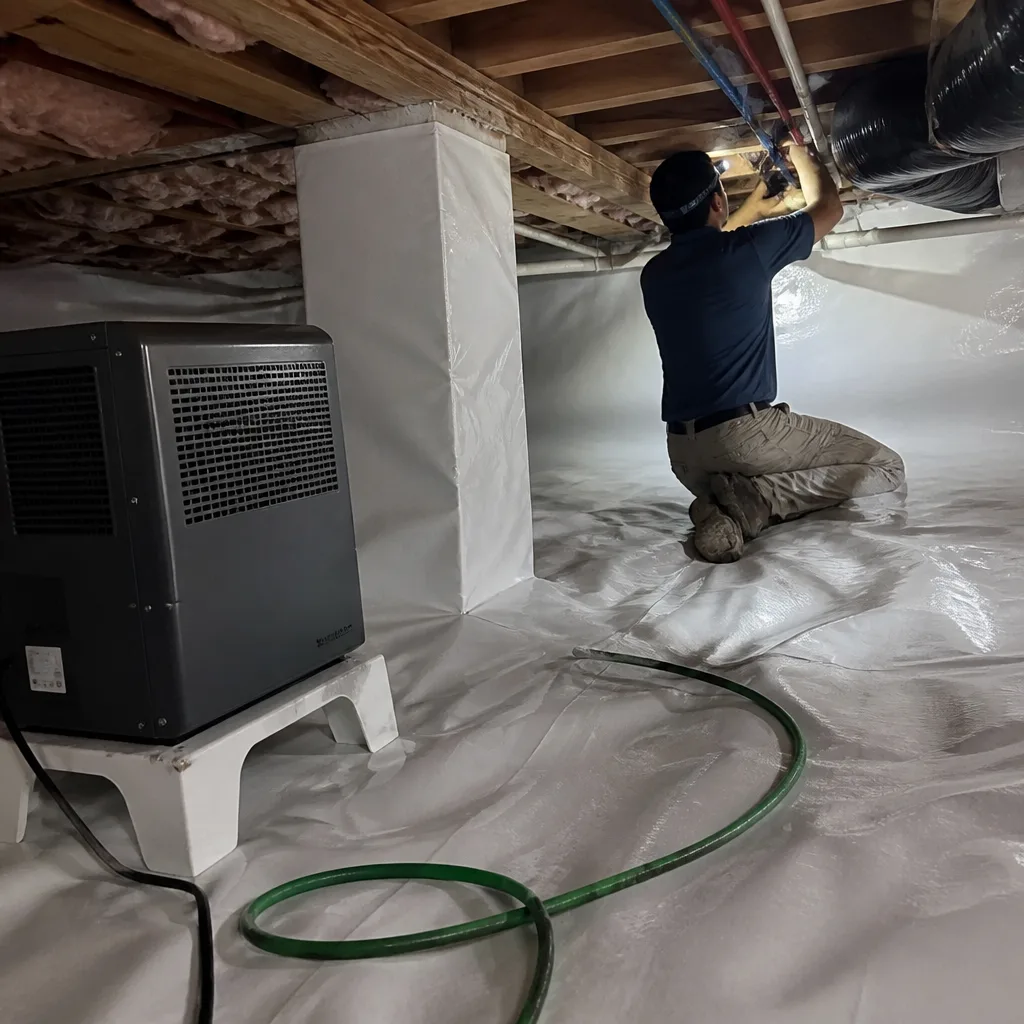
Some conditions exceed homeowner inspection. Call for evaluation if you find moisture staining on more than 10% of ridge sheathing, if any insulation depth point reads below 8 inches, if you hear duct leakage you cannot locate, or if your five-point log shows more than 2 inches settling in any 12-month period. Pest activity - droppings, nesting material, or compressed trails - requires both exclusion and insulation replacement; disturbed material loses thermal and air-quality performance.
Topside Attic Insulation San Marcos offers free estimates in San Marcos - call (737) 337-8049. Every estimate includes a written price before any work starts, per Haven Standard Clause 1, and a documented photo record of what we find. We also provide free second opinions on any written estimate from another contractor; bring us the scope and we’ll review it with you.
Frequently Asked Questions
Most attic insulation jobs in a San Marcos home of 1,800-2,400 square feet run between $2,800 and $5,400 for blown fiberglass to R-49, including air sealing of top plates, can lights, and penetrations. Spray foam on roof decking ranges $4.50-$7.00 per board foot installed, making a full unvented attic conversion $8,000-$15,000 depending on complexity. Call (737) 337-8049 for an exact quote - estimates are free, and we provide a written price before any work starts.
Loose-fill fiberglass or cellulose can be homeowner-installed with rental equipment, but we don’t recommend it for two San Marcos-specific reasons. See our DIY vs Professional Insulation guide for a full breakdown of when each approach makes sense. First, attic access in pre-2000 homes often involves balancing on joists over living space; falls through drywall are more common than most homeowners expect. Second, without blower-door guidance, you cannot identify which air leaks to seal first. We’ve corrected many DIY jobs where insulation was added over unsealed leaks, wasting material and money. For safety-critical work at height, a trained professional is the better choice.
Check your year-over-year utility benchmarks, not your thermostat. If August kWh is trending up with similar weather, something in your envelope or equipment has degraded. The definitive check is a blower-door test in mild weather - March-April or October-November in San Marcos - which isolates envelope leakage from equipment variables. Without that number, you’re guessing.
Repair is viable only for localized damage - pest disturbance in one corner, moisture staining under a vent leak, compression from stored items. If your insulation is more than 15 years old, was installed below current density standards, or shows widespread settling below 10 inches, replacement delivers better return. In San Marcos, the incremental cost of removal and replacement versus topping off is typically 30-40% more, but the performance difference - especially when combined with proper air sealing - often pays back in 3-5 years of reduced cooling load.
Three San Marcos-specific factors usually explain this. Duct leakage in a 130°F attic pulls superheated air into your return; insulation doesn’t fix duct problems. Inadequate soffit ventilation creates a solar oven above the insulation, overwhelming its rated performance. Or the insulation was installed over unsealed air leaks, so conditioned air escapes faster than the material can resist. A blower-door test with infrared imaging isolates which factor dominates.
Every 3-5 years for homes built after 2000 with no known issues; every 1-2 years for pre-1990 homes, homes with previous pest problems, or any home where you’ve modified HVAC or roofing. The spring and fall inspection windows we describe are homeowner-performed monitoring; professional evaluation includes blower-door testing, moisture probing, and combustion safety verification that requires equipment and training.
The Bottom Line
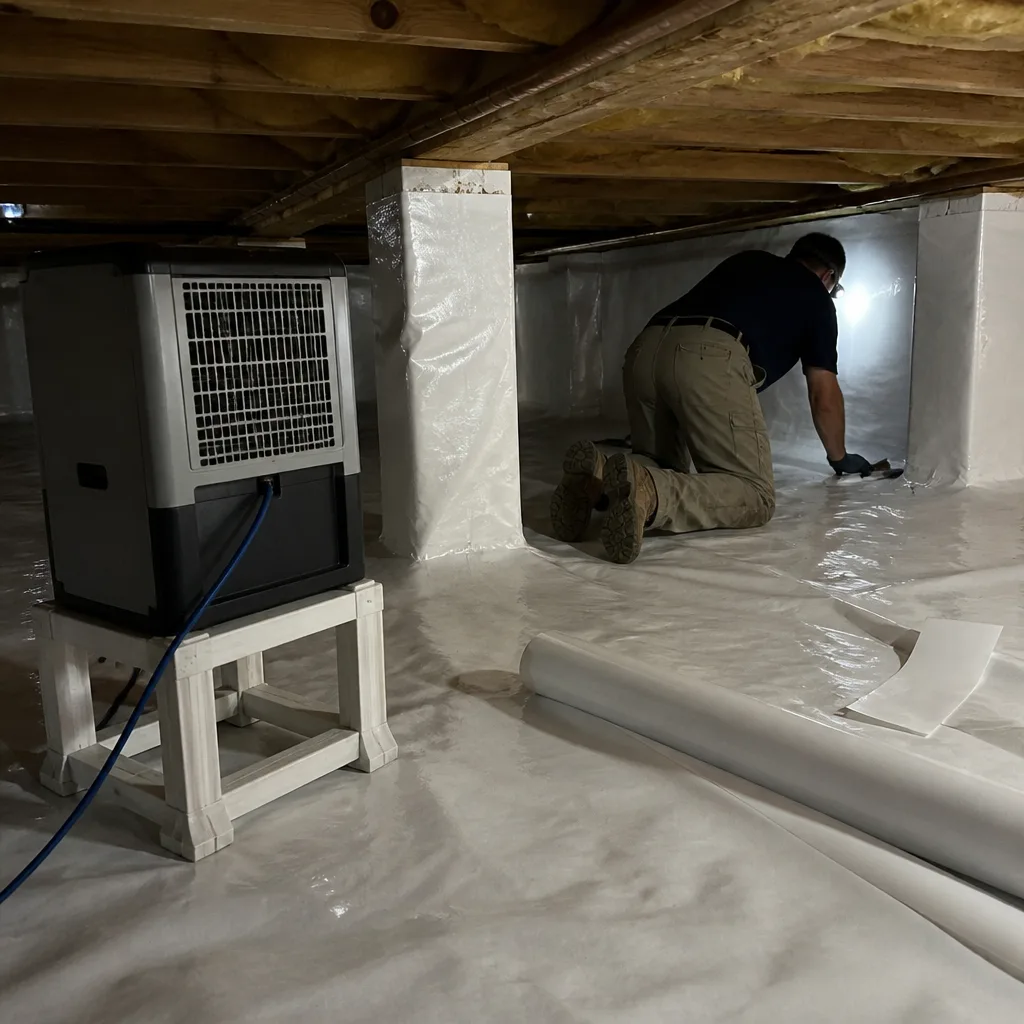
San Marcos insulation care isn’t about constant attention; it’s about precise timing. Two inspection windows, five fixed measurement points, three baseline records. The homeowners who follow this rhythm catch problems early, avoid reactive summer emergency calls, and have objective evidence when it’s time to upgrade. Those who don’t - and many don’t - discover their insulation has failed only when the bill arrives, months too late to act efficiently. For more guides & resources on keeping your home efficient year-round, browse our blog.
The October-November window closes faster than most people expect. If you’re reading this in late fall, measure now. If it’s spring, check what winter changed. And if you’re not sure what you’re looking at, call before the season turns.
Written by Wes Okafor, Owner at Topside Attic Insulation San Marcos, serving San Marcos since 2016.