
Blown-In Attic Insulation in San Marcos, TX
Blown-in attic insulation in San Marcos typically runs between $1,400 and $3,200 for a 1,200-2,400 sq ft attic, installed to R-38 or R-49 depending on your current coverage and target performance. For a detailed breakdown, see How Much Does Attic Insulation Cost? (2026 Price Guide) - San Marcos, TX. Most jobs are completed in a single day, and every one at Topside Attic Insulation San Marcos starts with a written price and ends with a documented photo record – no guesswork on either end.
If your home was built before 2005, or if you’ve watched your Pedernales Electric bills climb through consecutive Hill Country summers without a clear explanation, your attic floor is the most likely culprit. Blown-in cellulose and blown-in fiberglass both fill the irregular gaps and joist bays that Attic Batt Insulation never quite reaches – the spaces around blocking, between oddly spaced trusses, and in the corners where a knee wall meets the deck. That coverage difference is real, and it shows up in your post-installation blower-door numbers.
Wes Okafor leads every project under The Haven Standard that Envelope Insulation Co. has operated since 2016: written scope before any work starts, blower-door readings before and after on every applicable job, and a 365-Day Done Right Promise in writing when the crew leaves. If you want to understand how your current attic compares to our findings in similar San Marcos homes, call (737) 337-8049 – a live person answers, no voicemail loop.
This page covers blown-in insulation specifically. For the full picture of attic insulation options in San Marcos, see our Attic Insulation in San Marcos page.
When You Need Blown-In Attic Insulation
Not every attic is a good candidate for blown-in material, and not every attic that needs insulation needs it today. These are the clearest indicators that blown-in is the right call for your San Marcos home:
- Your attic has less than 10 inches of existing insulation. The DOE recommends R-38 to R-60 for Climate Zone 2, which covers Hays County. Less than 10 inches of older fiberglass batt puts most homes well below R-30 – a gap that a single blown-in top-up can close in a few hours.
- Your energy bills spike every June through September. San Marcos sits on the edge of the Edwards Plateau, and attic temperatures here regularly reach 140-150°F in July. An under-insulated attic radiates that heat directly into your living space, and no amount of HVAC adjustment compensates for it cleanly.
- You have irregular joist spacing or obstructions. Older homes in the Blanco Vista and Willow Springs areas often have non-standard framing from additions or partial renovations. Blown-in material conforms to those gaps; cut-and-staple batts do not.
- Your batt insulation has settled, shifted, or absorbed moisture. In San Marcos, summer humidity combined with inadequate attic ventilation causes older fiberglass batts to sag off the kraft facing and lose R-value. When that happens, a full removal and blown-in replacement outperforms patching.
- You’re preparing for a home sale or a HERS rating audit. Buyers and raters measure attic depth with a ruler. A certified depth of R-49 – roughly 15 inches of blown cellulose – is a documented, measurable number that survives inspection.
- Your HVAC system is short-cycling or running longer than it should. If your air handler runs almost continuously during a 95°F afternoon but the house still doesn’t cool below 78°F, the load calculation almost always points to the attic before the equipment.
Our Blown-In Attic Insulation Process
We run the same sequence on every job. Not because it’s procedure on paper, but because skipping a step produces a result we’d have to fix later – and we’d rather not come back for the wrong reason.
- Written scope and price before any tool comes off the truck. Under Haven Standard Clause 1, you receive a flat written price, a detailed scope of work, and a written warranty before we begin. No verbal approximations. If the scope changes in the attic – which happens when we find unexpected damage or a prior insulation layer that needs to come out – we stop, document it, and get your sign-off before continuing.
- Blower-door baseline – the “before” number. A blower-door test pressurizes the building envelope to 50 pascals of negative pressure and measures air leakage in CFM50 – cubic feet per minute at that pressure. This number tells us how much conditioned air your home is losing before we touch anything. We photograph the reading and include it in your job record. In San Marcos homes built between 1990 and 2010, we typically see baseline readings between 3,800 and 6,200 CFM50. That context matters when you’re evaluating what the work actually accomplished.
- Air sealing – completed before any insulation is added. This is the step most insulation contractors skip or sell as an add-on. We don’t. We seal top plates – the framing gaps at the top of interior walls – recessed can lights, plumbing and electrical penetrations, and any attic hatch perimeter before the blower hose enters the attic. Blown-in insulation slows conductive heat transfer; air sealing stops the actual air movement that carries heat and humidity directly into your living space. Doing them in the wrong order – insulation first, sealing second – produces a measurably worse result. We have the before-and-after numbers to demonstrate that.
- Material selection and depth calculation. We use blown-in cellulose from Johns Manville or blown-in fiberglass from Knauf depending on the attic’s ventilation profile, existing moisture history, and the homeowner’s preference. Both are installed to a documented depth – marked with depth rulers photographed before we leave – calculated to hit your target R-value. For most San Marcos homes targeting R-49, that means roughly 15 inches of cellulose or 20 inches of fiberglass. We don’t estimate depth by feel.
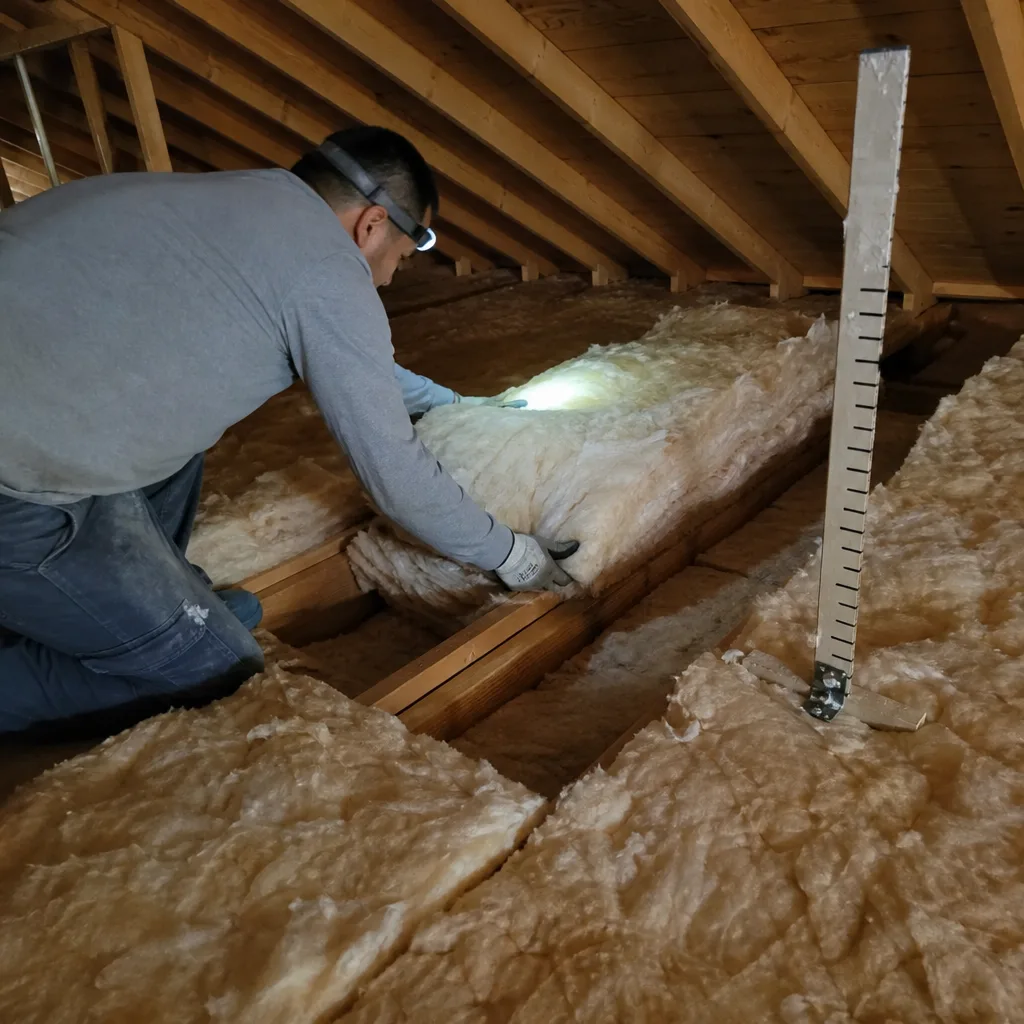
- Blown-in installation and depth verification. The blower machine runs from outside the home; the hose snakes through the attic access. We work methodically from the far end toward the hatch, maintaining consistent depth across joist bays and using a final depth-rod check across a grid of points before calling the installation complete. Depth rulers installed in three to five locations stay in the attic permanently so you – or any future inspector – can verify coverage without pulling back material.
- Post-installation blower-door test and documented photo record. After the insulation settles and we’ve cleared the attic, we run the blower door again. You get the “after” CFM50 number alongside the “before” in your written job summary. We’ve seen San Marcos homes drop from 5,400 CFM50 to 2,600 CFM50 when air sealing and blown-in insulation are done in sequence – that’s roughly half the conditioned air loss, documented in a single measurement you can hand to your HVAC contractor or a future buyer. The photo record covers before-and-after attic conditions, depth rulers, and blower-door screens. It’s included on every visit, not available on request.
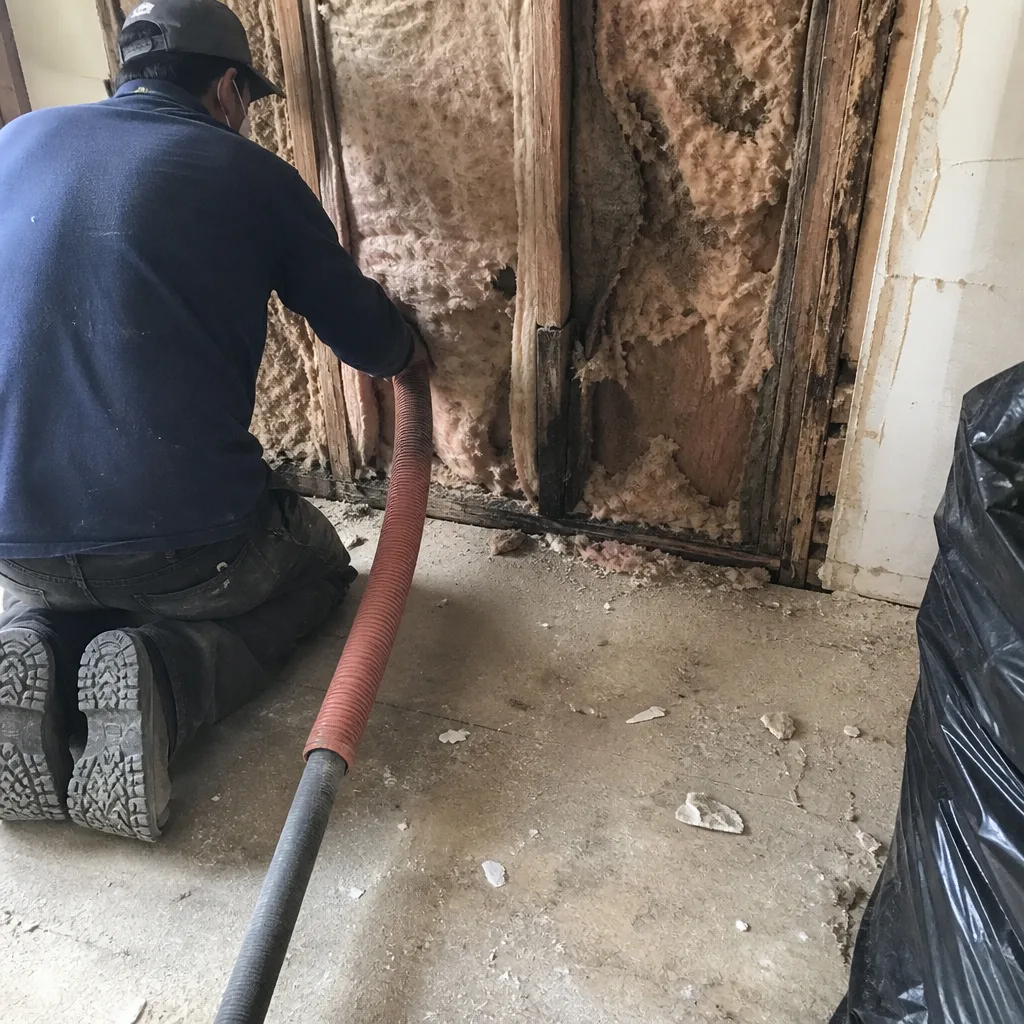 Before
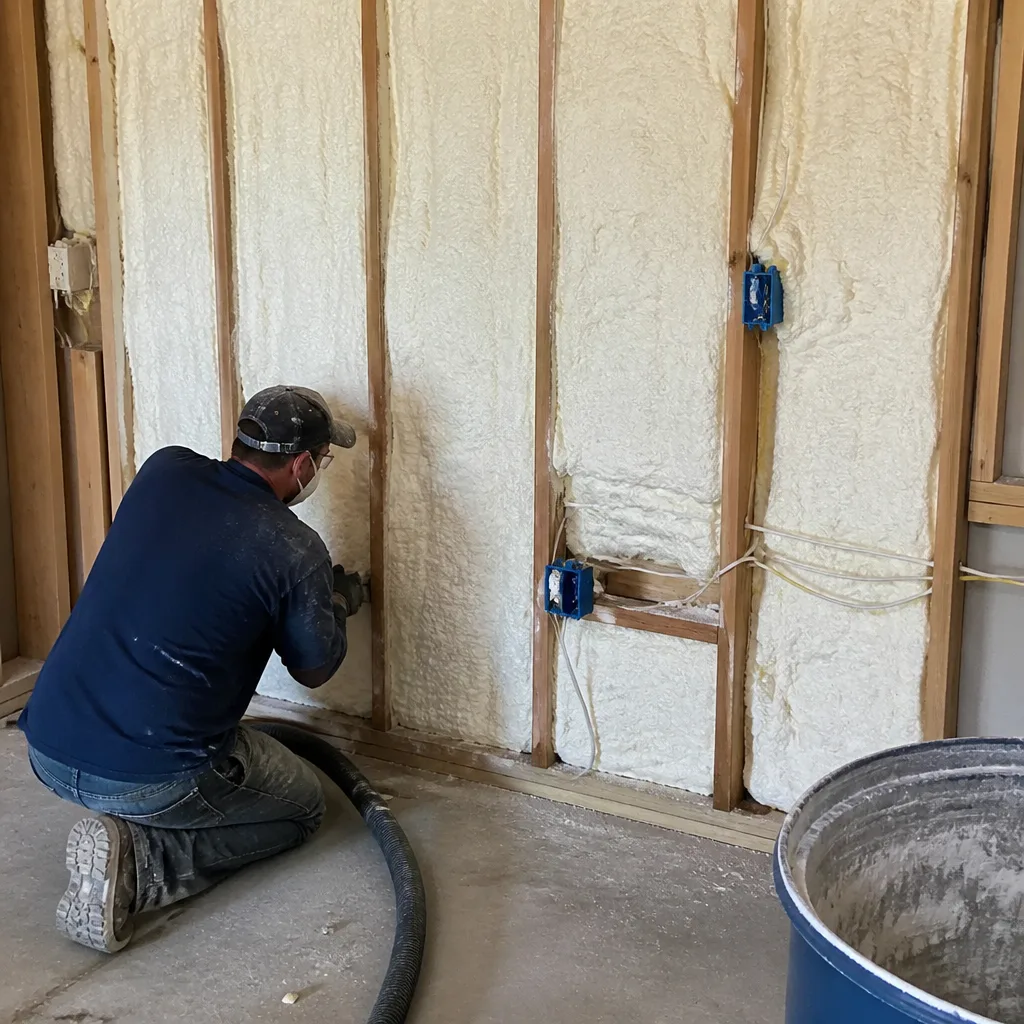 After
AfterBlown-In Attic Insulation Pricing in San Marcos
Most blown-in attic insulation jobs in San Marcos fall into these ranges. These are real figures from work in Hays County, not adjusted national averages.
| Scope | Typical Range | Notes |
|---|---|---|
| Top-up only (R-19 to R-38), 1,200-1,600 sq ft attic | $900 - $1,500 | Existing insulation intact; no removal needed |
| Top-up only (R-19 to R-49), 1,200-1,600 sq ft attic | $1,100 - $1,800 | Additional depth; same conditions as above |
| Air sealing + blown-in, 1,200-2,000 sq ft attic | $1,600 - $2,800 | Top plates, penetrations, and can lights sealed before insulation |
| Removal, air sealing + blown-in, 1,500-2,400 sq ft attic | $2,400 - $4,200 | Old batt or damaged insulation removed first; full air seal |
| Blown-in only, 2,400-3,200 sq ft attic (new construction top-up) | $2,000 - $3,500 | Large footprint; depth and ventilation clearance added |
What moves the number up or down
- Attic access points. A single 22×30 hatch in a 2,200 sq ft home adds labor time compared to two or three access points. We account for this in the written scope.
- Existing insulation condition. Settled, pest-contaminated, or moisture-damaged insulation needs to come out before blown-in material goes in. Removal in San Marcos typically adds $600-$1,400 to a job depending on volume.
- Number of recessed can lights and penetrations. Homes in Trace and Kissing Tree with open-cell can lights from 2000-2012 builds often have 20-40 penetrations to seal. Each one matters; each one takes time.
- Target R-value. R-38 and R-49 are the two most common targets in San Marcos. The depth difference is roughly 4-5 inches of cellulose – not dramatic in cost but worth specifying in writing.
- Material choice. Blown-in cellulose (Johns Manville, CertainTeed) runs slightly less per square foot than blown-in fiberglass (Knauf) at equivalent R-values. Both are appropriate for Central Texas; the choice depends on the attic’s ventilation and moisture history.
Every price you get from us is a flat written price before any work starts – Haven Standard Clause 1. No “starting at” figures that expand on the day. If you have a written estimate from another contractor, bring it to us. We offer a free second opinion on any written estimate and will read it with you line by line. Call (737) 337-8049 to schedule a free on-site assessment and written quote.
FAQs – Blown-In Attic Insulation
How much does blown-in attic insulation cost in San Marcos?
Blown-in attic insulation in San Marcos typically costs between $1,400 and $3,200 for a standard 1,200-2,400 sq ft attic when air sealing is included. A top-up-only job on an attic that doesn’t need air sealing or removal can come in closer to $900-$1,500. Jobs requiring full removal of old insulation before blown-in material is added run $2,400-$4,200 depending on attic size and existing conditions. The only way to give you a number specific to your home is an on-site measurement – call (737) 337-8049 and we’ll schedule a free assessment with a flat written price before anyone starts work.
What’s the difference between blown-in cellulose and blown-in fiberglass for a San Marcos attic?
Blown-in cellulose installs at a higher density and settles to a denser final product, which gives it a slight edge in sound dampening and resistance to air movement within the material itself. Blown-in fiberglass is lighter, doesn’t absorb moisture, and works well in San Marcos attics with documented humidity problems or Attic Baffles & Ventilation Prep needs. Both materials achieve the same R-value per inch when installed correctly, and both are appropriate for Climate Zone 2. We use Johns Manville and Knauf depending on the specific attic conditions – we’ll explain the recommendation in writing as part of the scope before any material is ordered.
Do I need to seal my attic before adding blown-in insulation?
Yes – and at Topside Attic Insulation San Marcos, we won’t skip that step. Air sealing of top plates, recessed can lights, and penetrations is completed before any blown-in material is added, on every job. Insulation slows conductive heat transfer through the material; air sealing stops the actual air movement that bypasses insulation entirely. Adding blown-in insulation over an unsealed attic floor produces a measurably lower performance result, which is why we run a blower-door test before and after every applicable job – so you can see the difference in a single documented number, not just take our word for it.
How long does blown-in attic insulation last in a Central Texas climate?
Properly installed blown-in cellulose or fiberglass insulation in a San Marcos attic holds R-value for 20-30 years when the attic is adequately ventilated and the material stays dry. The most common cause of premature degradation we see in Hays County is moisture from a roof leak or inadequate soffit-to-ridge ventilation – conditions we document photographically during the initial assessment. If moisture is present, we identify it in the written scope before installation begins. Depth rulers installed during the job let you verify that the material hasn’t compressed below the minimum depth at any future point, without disturbing the insulation to check.
Why the Blower-Door Numbers Matter for San Marcos Homeowners
San Marcos sits at roughly 600 feet of elevation where the Balcones Escarpment meets the Gulf coastal plain. That geography produces a specific pressure pattern: warm, moist air from the coast moves inland against drier Hill Country air, and the pressure differential changes seasonally. What that means for your attic is that stack effect – the tendency of air to move from lower floors upward and out through attic penetrations – is more pronounced here than in flatter terrain. A blower-door reading taken at your home in San Marcos quantifies exactly how much air is moving through that stack in one measurable figure.
In the Blanco Vista subdivision, where most homes were built between 2005 and 2015 with standard open-cell can lights and minimal top-plate sealing, we regularly see pre-seal blower-door readings of 4,500-5,800 CFM50. After sealing and adding blown-in insulation to R-49, those same homes typically read 2,200-3,000 CFM50. That reduction – documented in the job record you receive – is the performance you paid for, expressed in the same unit of measure that an energy auditor or HVAC contractor would use to evaluate your home independently.
The 365-Day Done Right Promise applies to that result. If the post-installation blower-door reading doesn’t reflect the air sealing work that was scoped and performed, we come back and make it right. That commitment is in writing before we start.
Materials We Use for Blown-In Attic Insulation
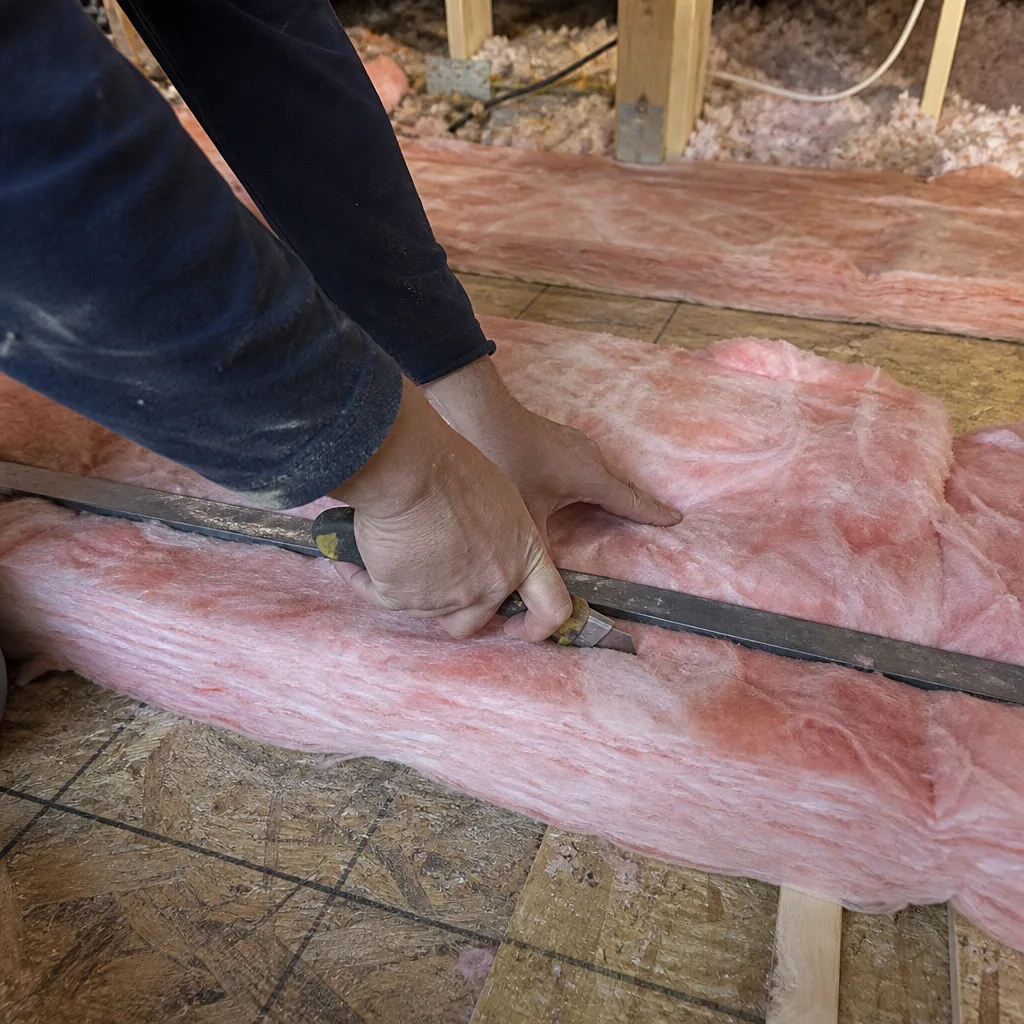
Topside Attic Insulation San Marcos sources blown-in material from manufacturers whose product specifications are public and whose performance data we can cite in a written scope. For blown-in jobs in San Marcos, we most frequently use Johns Manville Climate Pro blown-in fiberglass and CertainTeed InsulSafe cellulose, selected based on the attic’s ventilation profile, existing moisture history, and the specific R-value target in the written scope. We don’t have a proprietary product arrangement with any manufacturer, and we don’t steer homeowners toward a material based on margin. The material specified in your written scope is the material installed – and the depth rulers in your attic confirm it.
For a broader overview of all attic insulation options available in San Marcos – including spray foam, radiant barrier, and removal-and-replacement scenarios – visit our home page or review the full Attic Insulation in San Marcos service page.
Key Takeaways
- Blown-in attic insulation in San Marcos typically costs $1,400-$3,200 for air sealing plus installation in a 1,200-2,400 sq ft attic.
- Air sealing is completed before any insulation is added – every job, no exceptions.
- Before-and-after blower-door readings are documented in writing and included in your job record.
- Written price before any work starts – Haven Standard Clause 1 – flat figure, no revisions on the day.
- 365-Day Done Right Promise applies to every completed job, in writing.
- Depth rulers installed permanently in the attic so coverage is verifiable at any future point.
- Materials sourced from Johns Manville, CertainTeed, Knauf – no proprietary product lock-in.
Schedule Your Free Blown-In Insulation Assessment
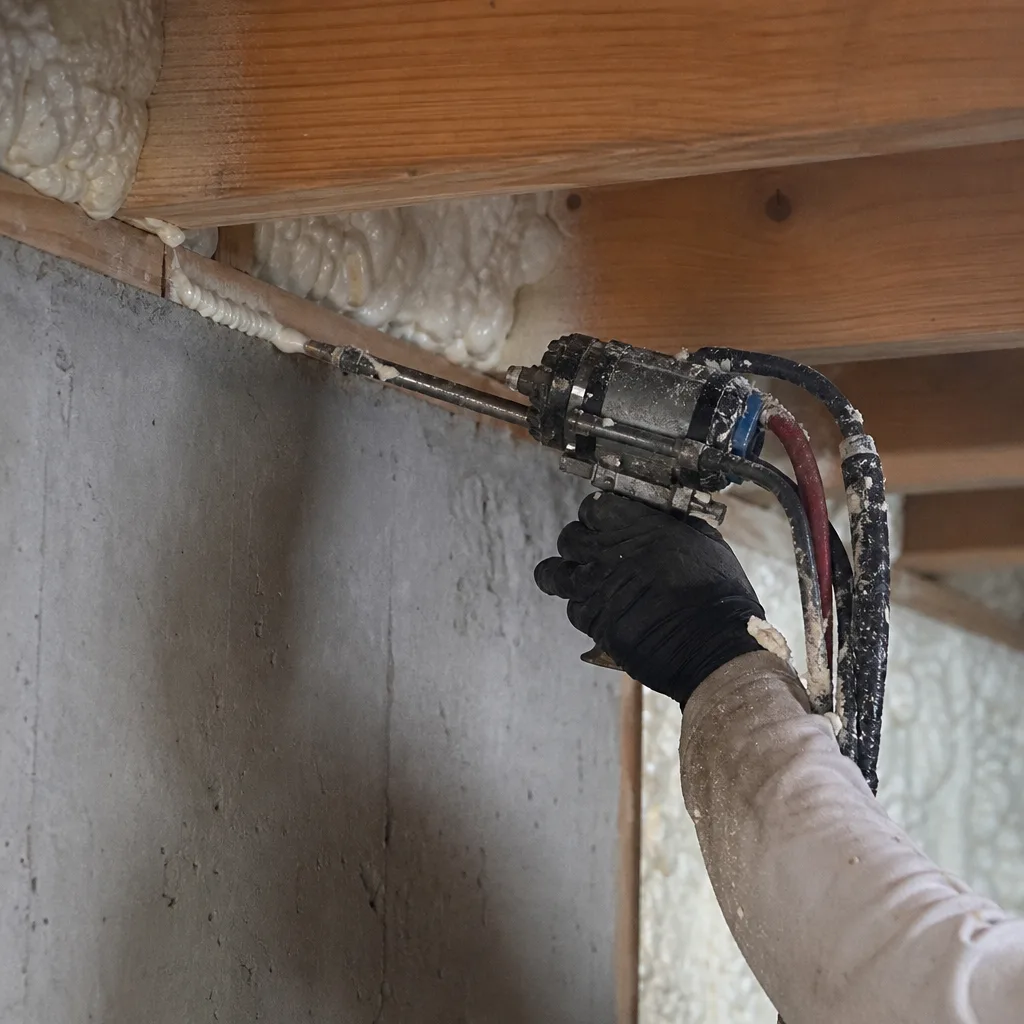
If your San Marcos home is running warmer than it should, if your energy bills have climbed without a clear reason, or if you simply want a documented baseline for your attic’s current performance, call (737) 337-8049. Wes Okafor’s team will schedule a free on-site assessment for our Attic Insulation services, measure your existing depth and air leakage, and hand you a flat written price before any conversation about scheduling work. No verbal estimates, no follow-up calls with revised numbers. That’s the Haven Standard – and it’s been the same since 2016.
Written by Wes Okafor, Owner at Topside Attic Insulation San Marcos, serving San Marcos.