
Attic Insulation Top-Up in San Marcos, TX
An attic insulation top-up means adding a fresh layer of blown-in insulation over what’s already there, bringing a home’s R-value up to current code or performance targets without a full tear-out. Most San Marcos homes built before 2005 are sitting at R-19 or lower – well below the R-38 minimum the International Energy Conservation Code now recommends for this climate zone. A top-up corrects that gap in a single visit, and it costs a fraction of starting from scratch.
At Topside Attic Insulation San Marcos, we’ve been part of Envelope Insulation Co. since 2016, and we’ve walked through more than 9,000 attics across the region. What we see repeatedly in San Marcos is attic floors with compressed, moisture-aged fiberglass batts that haven’t performed at their rated R-value in years. Before we ever turn on a blower machine, we do a full inspection and air-sealing pass – top plates, can lights, plumbing penetrations. That step isn’t an add-on; it’s built into every job. Blowing new insulation over unaddressed air leaks just buries the problem and traps the conditioned air loss you’re trying to stop. If you’d like to understand the full scope of what we do here, our Attic Insulation in San Marcos page covers the parent service in detail.
To schedule an inspection or get a written price before any work begins, call us at (737) 337-8049. A live person answers every call.
When You Need Attic Insulation Top-Up
Not every attic needs a top-up on the same timeline. Here are the situations where we consistently find that adding insulation makes a measurable difference:
- Your home was built before 2000. The majority of San Marcos homes from that era were insulated to R-19 or less at the time of construction, which met code then but falls short now. If you’ve never had insulation added since move-in, there’s a good chance you’re 12 to 20 R-value points below current recommendations.
- Your energy bills spike every June through September. Hays County summers are consistent – daytime highs above 95°F run from late May through early October. An attic that can’t hold conditioned air forces your HVAC to run longer cycles. If your summer cooling bills have climbed faster than your utility rate, attic heat gain is a probable contributor.
- Your upstairs rooms feel noticeably warmer than downstairs. This is one of the clearest field indicators. When the attic floor can’t resist heat transfer, the ceiling of the top floor becomes a radiant surface. We’ve measured surface temperatures above 90°F on ceilings in homes where the attic floor insulation had compressed to less than half its original thickness.
- A home energy audit flagged insufficient R-value. If you’ve had a blower-door test or infrared scan done and the report called out attic insulation deficiency, that’s exactly the condition a top-up addresses. We can review any written audit report with you before we quote.
- You’re seeing insulation that’s visibly settled or discolored. Fiberglass batts compress over time, and blown fiberglass or cellulose can settle 20 to 30 percent from its installed depth. Discoloration – particularly dark streaking across the top of the insulation – often indicates air movement through the material rather than through it, which means it’s doing less work than its depth suggests.
- You’ve completed other energy upgrades but haven’t touched the attic. New windows, a new HVAC system, or a smart thermostat all help. But if the attic floor is still the building envelope’s weakest link, you’re leaving the biggest gains on the table. In San Marcos, the attic is typically the single highest-impact improvement point for summer cooling loads.
Our Attic Insulation Top-Up Process
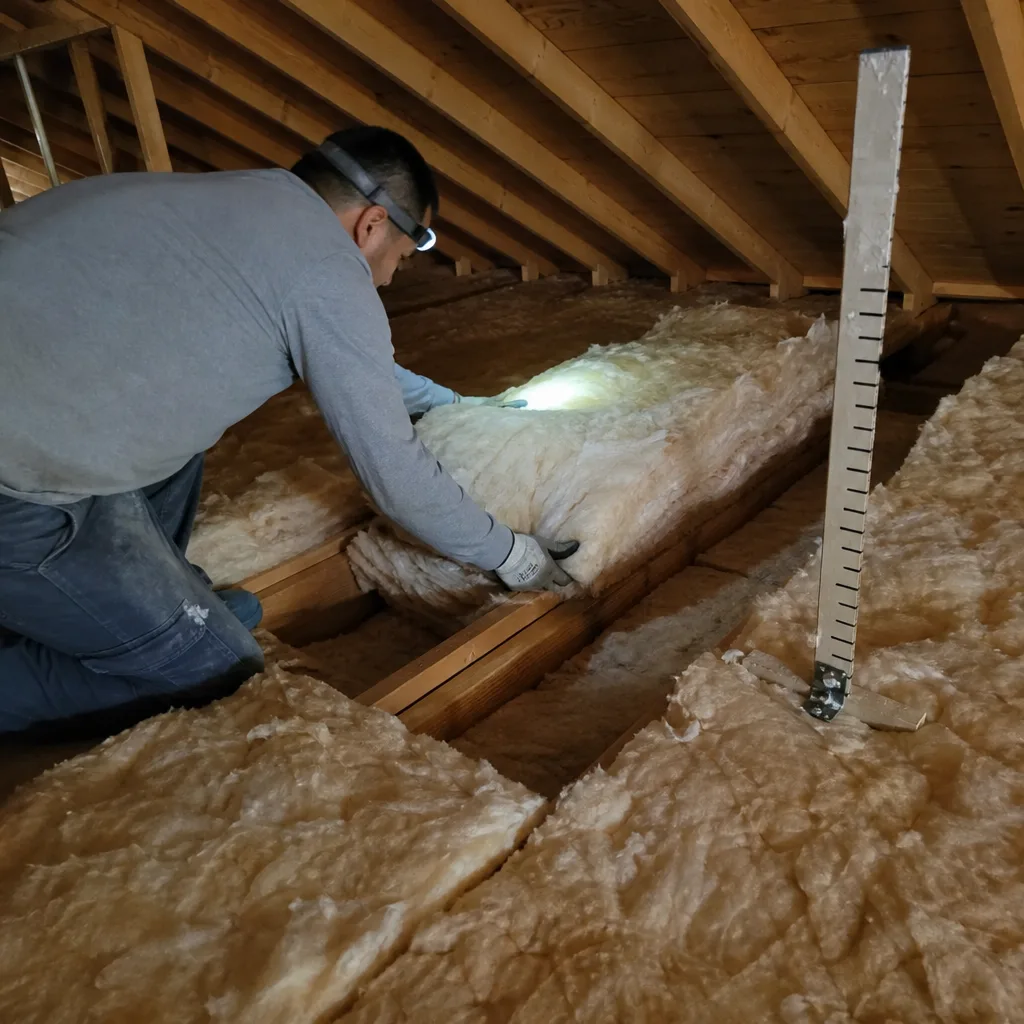
Every top-up job follows the same documented sequence. There are no shortcuts built into our pricing, because shortcuts in the attic tend to become call-backs in six months. Attic Baffles & Ventilation Prep is included when needed.
- Written price before any work starts. Under Haven Standard Clause 1, we provide a flat written price and a written scope before anyone enters your attic with a tool. You’ll see exactly what R-value we’re targeting, what materials we’re using, and what the air-sealing scope covers. No verbal estimates, no invoice surprises.
- Pre-installation blower-door test. We run a blower-door test – a pressurization measurement that shows, in one number (CFM50), how much conditioned air your building envelope is losing. This is the “before” reading. It tells us whether the air-sealing step will make a meaningful difference, and it gives you a baseline to compare against when the job is complete.
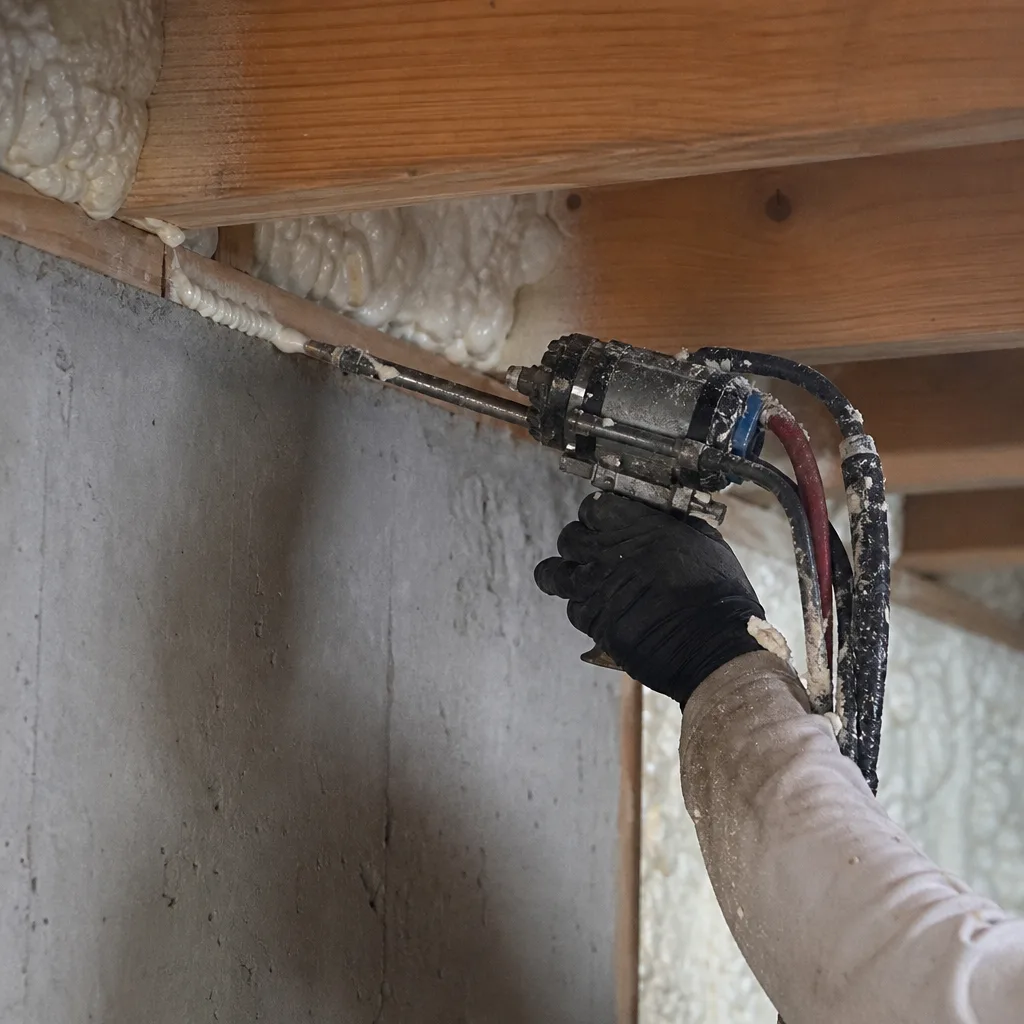
- Air sealing of the attic floor. This is the step most contractors skip or price separately. We seal top plates at every interior wall, address recessed can lights that penetrate the ceiling plane, and close plumbing, electrical, and HVAC penetrations with appropriate materials – two-component foam, caulk, or sheet goods depending on the gap size. No insulation goes in until this is done.
- Blown-in insulation installation. We install blown-in insulation to the depth required to hit your target R-value, typically R-38 for San Marcos’s climate zone (Zone 2/3 boundary). For most homes, that means bringing the total installed depth to 13 to 15 inches, depending on material density. We use material from manufacturers including Johns Manville and CertainTeed – no proprietary product lock-in, and no markup on materials we can’t justify.
- Post-installation blower-door test. Once the insulation is in, we run the blower-door test a second time. The after number goes on the job record alongside the before number. If the air-sealing pass moved the CFM50 figure, you’ll see it. If it didn’t move much, you’ll see that too, and we’ll explain why. Published blower-door numbers are part of every applicable job under the Haven Standard – not something we produce only when results are good.
- Documented photo record and written warranty. Before we leave, you receive a documented photo record of the completed work – insulation depth at multiple points, sealed penetrations, material labels. The 365-Day Done Right Promise applies in writing: if anything isn’t right within 365 days of completion, we make it right. You have the written scope and the written warranty before we start; the photo record closes the loop when we finish.
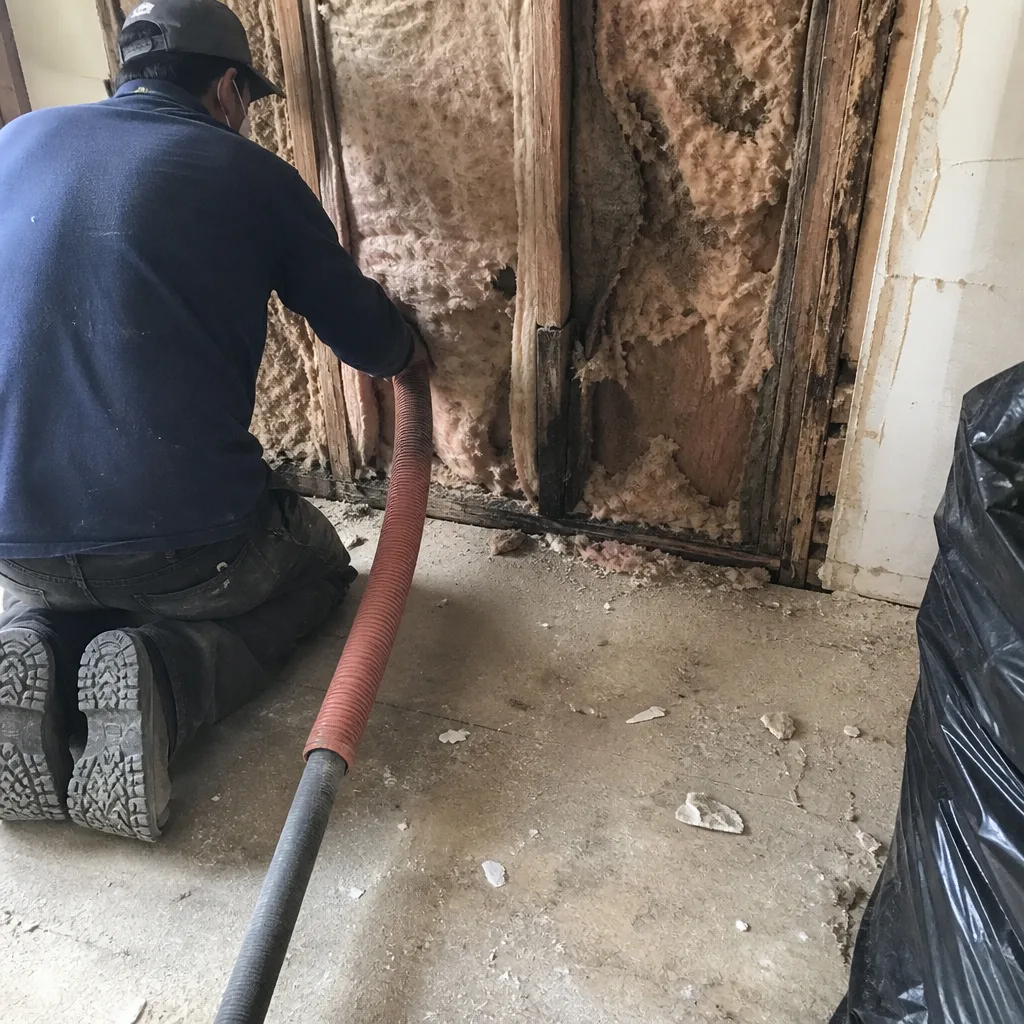 Before
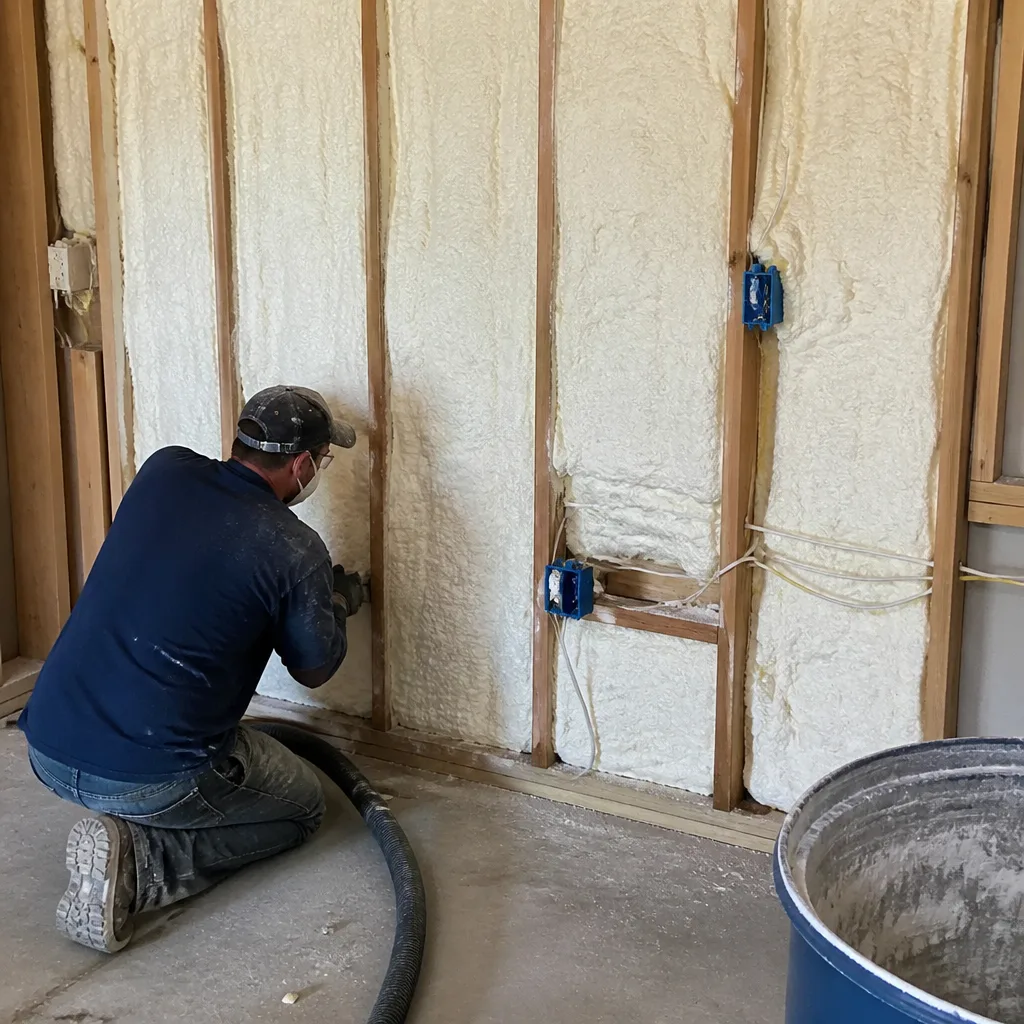 After
AfterAttic Insulation Top-Up Pricing in San Marcos
Most attic insulation top-up jobs in San Marcos run between $950 and $2,400, depending on four variables: attic square footage, how far below target R-value the existing insulation sits, the complexity of the air-sealing scope, and whether any existing material needs to be addressed before new insulation goes in.
Here’s how those variables typically break down:
- Attic size: A 1,200-square-foot attic floor in a standard San Marcos ranch home typically runs $950 to $1,300 for a top-up from R-19 to R-38. A two-story home with a 2,000-square-foot attic footprint and more penetrations tends to fall in the $1,500 to $2,400 range.
- Starting R-value: The further you are from target, the more material is needed. A home at R-11 needs roughly twice the installed depth of blown-in insulation compared to one already at R-25.
- Air-sealing complexity: Homes with many recessed can lights – common in San Marcos builds from the late 1990s through 2010 – require more sealing time. Attics with open soffit bypasses or large duct penetrations add scope.
- Material choice: Blown fiberglass and blown cellulose are both effective and carry similar price points for a top-up application. We’ll walk you through the difference when we inspect.
Under Haven Standard Clause 1, you receive a written price with a full scope before any work begins. No work starts without it. If you have a competing written estimate, bring it – we offer a free second opinion on any written quote and will read it with you line by line.
To get your written estimate, call (737) 337-8049. The estimate is free, and the price you’re quoted is the price you pay.
What Sets This Job Apart in San Marcos Specifically
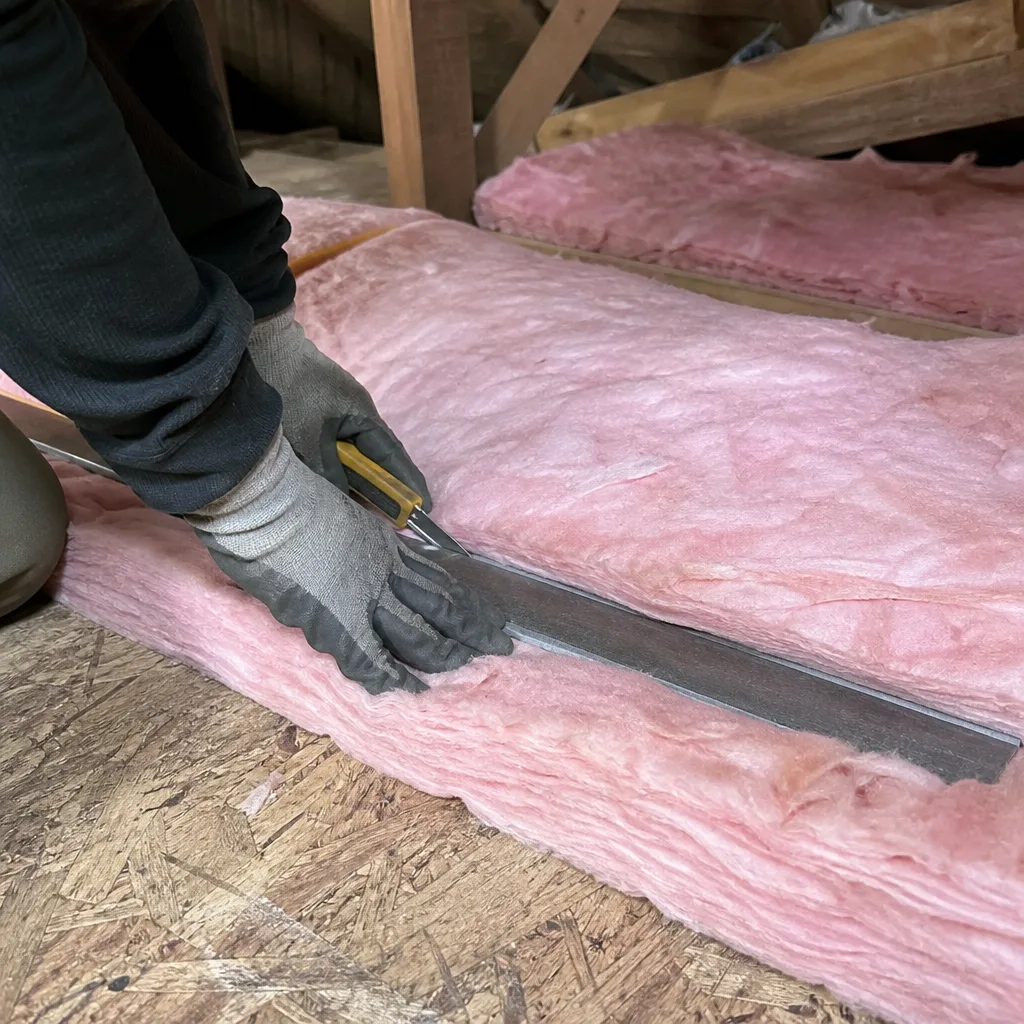
San Marcos sits at the edge of two climate zones, and the building stock reflects that split. Older homes in the Blanco Vista and Spring Branch areas tend to have shallow attic clearances and original Attic Batt Insulation that was never rated for this level of summer heat load. Homes in the Hill Country Retreat and Trace developments, built in the 2010s, often have better starting points but still benefit from a top-up as their original insulation settles and their HVAC systems age into higher run-times.
The Texas summer heat index in San Marcos routinely pushes attic air temperatures above 140°F between noon and 4 p.m. At that temperature differential, even code-minimum insulation is working near its limits. We’ve found, in post-sealing blower-door readings on homes in the Willow Springs and Carriage Hills neighborhoods, that air leakage through the attic floor accounts for 30 to 40 percent of total building infiltration – before any insulation work is done. That number drops after the sealing pass, and the drop shows up in the documented after-test reading we leave with every customer.
San Marcos doesn’t have a city-specific insulation permit requirement for top-up work that stays within the existing attic floor plane, but any structural modifications or HVAC duct alterations require a Hays County permit. We’ll flag that clearly in the written scope if it applies to your job.
If you’re exploring the full range of what a building-envelope upgrade can include – from the home energy audit that identifies where you’re losing the most to crawl space encapsulation or radiant barrier work – we can build a sequenced plan that prioritizes the highest-impact steps first rather than selling you everything at once.
Materials We Use
We source Blown-In Attic Insulation from manufacturers including Knauf and Johns Manville. Both produce blown fiberglass that installs consistently at the depths needed to hit R-38 in a single pass for most attic configurations we encounter in San Marcos. We don’t have a preferred brand arrangement that affects what we recommend – the material choice follows the application, not the other way around.
For air-sealing applications, we use two-component polyurethane foam for larger gaps and penetrations, and low-VOC caulk for fine gaps at top plates. The material used on your job is documented in the written scope and visible in the photo record.
FAQs – Attic Insulation Top-Up in San Marcos
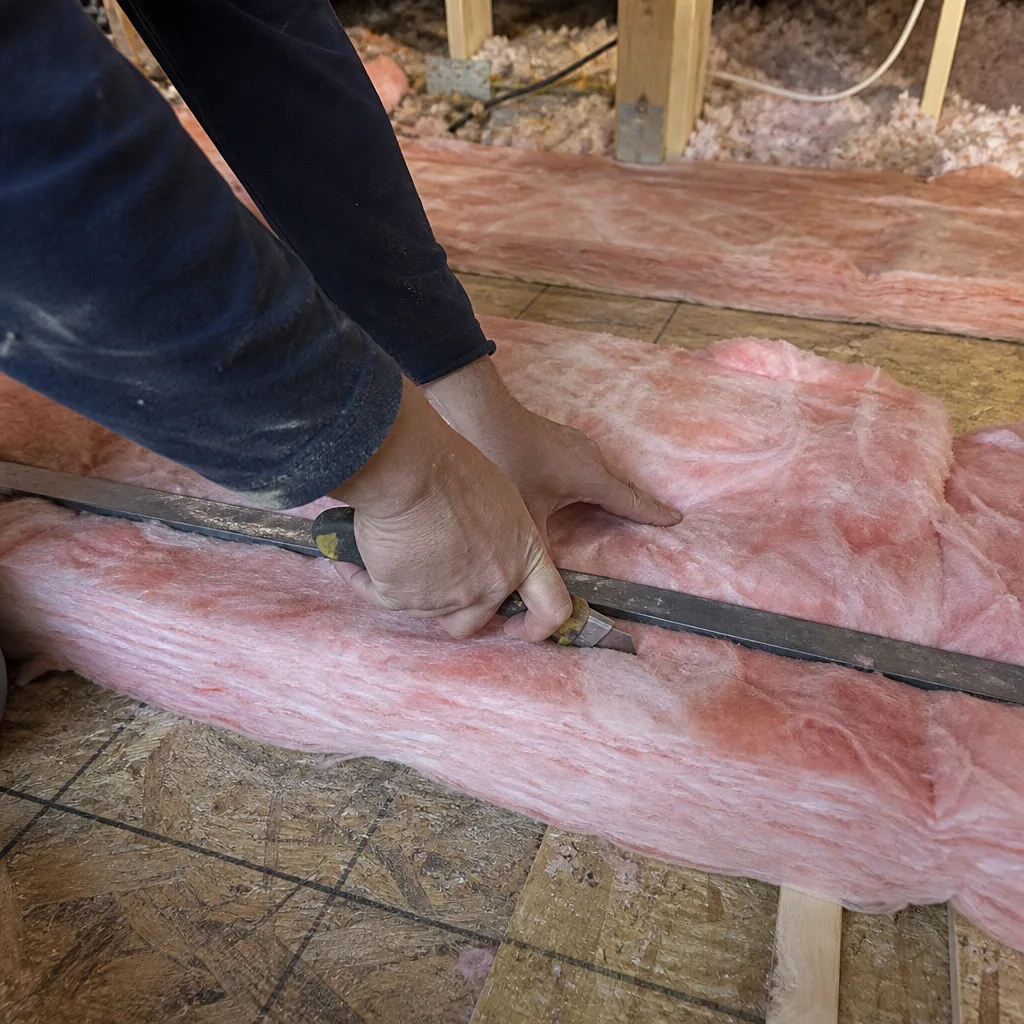
Can you add insulation on top of my existing insulation, or does the old stuff need to come out first?
In most cases, you can add directly on top of existing insulation and keep the old material in place. The exceptions are when the existing insulation is wet or moldy, when it contains vermiculite (a material associated with asbestos contamination in homes built before 1980), or when it’s so severely compressed that it’s holding moisture against the ceiling plane. We check all of these during the inspection. If the existing material needs to come out, we’ll tell you in writing before we quote the top-up, and we’ll give you a separate removal price. We don’t bury problems to make the job easier. Call (737) 337-8049 to schedule an inspection.
How much R-value does my San Marcos attic actually need?
San Marcos falls on the Zone 2/3 boundary under the IECC climate zone map, and the current code recommendation for attic insulation in this area is R-38. The Department of Energy’s guidance for Zone 2 pushes toward R-49 for new construction, but for existing homes, R-38 is the practical and cost-effective target we work toward. Homes already at R-30 or above may see diminishing returns on additional insulation relative to the investment, though air sealing still delivers measurable results at any insulation level. We’ll tell you the exact depth we measure and the R-value it represents during the inspection – and we’ll put the target R-value in writing before any work starts.
How long does an attic insulation top-up take, and do I need to leave the house?
Most top-up jobs in a standard San Marcos home – 1,200 to 2,000 square feet of attic floor – are completed in four to six hours including the air-sealing pass and both blower-door tests. You don’t need to leave the house, but we do ask that the attic access hatch stays clear and that pets are kept away from the work area. If the job is a larger footprint or involves significant air-sealing complexity, we’ll tell you the estimated time in the written scope before we start.
Will a top-up affect my HVAC system or ductwork?
Adding insulation to the attic floor doesn’t directly affect ductwork, but it frequently reveals duct issues that were previously masked by high air-leakage readings. If your ductwork runs through the attic – which is common in San Marcos builds from the 1990s and 2000s – we’ll note the condition of the duct insulation during our inspection. Uninsulated or poorly insulated ducts in an attic that reaches 140°F lose a significant portion of their delivered cooling before it reaches the living space. We don’t do duct work ourselves, but we’ll document what we find and include it in the photo record so you have the information to act on it.
Key Takeaways
- Most San Marcos homes built before 2005 are at R-19 or lower; a top-up to R-38 is the most cost-effective correction.
- Air sealing happens first, every time – top plates, can lights, and penetrations before a single bag of insulation is opened.
- Before-and-after blower-door readings are documented on every applicable job, so you see the actual performance change.
- Written price before any work starts, always – Haven Standard Clause 1, no exceptions.
- Most top-up jobs in San Marcos run $950 to $2,400 depending on attic size and starting R-value.
- The 365-Day Done Right Promise applies in writing to every completed job.
Schedule Your Attic Insulation Top-Up in San Marcos
If your home has never had insulation added since it was built, or if you’ve noticed climbing cooling bills and uneven temperatures between floors, a top-up inspection is the right starting point. We’ll measure what’s there, test the air leakage, and give you a written price for exactly what the job requires. No verbal estimates, no guesswork, no work without a signed written scope.
Call (737) 337-8049 to schedule your inspection and written estimate. A live person answers every call – no voicemail, no callback windows. If you’d like to understand how an attic insulation top-up fits into a broader building-envelope plan, our parent-service page on Attic Insulation in San Marcos is the right place to start.
Written by Wes Okafor, Owner at Topside Attic Insulation San Marcos, serving San Marcos.