

Trusted Wall Insulation for San Marcos Homeowners
San Marcos Wall Insulation typically runs $2,800-$7,500 for a whole-home retrofit depending on wall construction and access method, and most jobs are completed in one to two days. At Topside Attic Insulation San Marcos, we’ve sealed and insulated more than 9,000 homes since 2016, and every wall job starts with a written price before any work begins. Call (737) 337-8049 to schedule a free estimate with same-day availability in most San Marcos neighborhoods.
San Marcos sits in the Texas Hill Country where summer temperatures push past 100 degrees and winter nights can dip below freezing. Older homes in neighborhoods like Hopkins, Dunbar, and the historic district near downtown often have uninsulated exterior walls, or walls with degraded batts that settled decades ago. Newer construction in areas like Willow Creek and Blanco Vista sometimes cuts corners on wall cavity fill, leaving cold spots and high utility bills that show up within the first year of ownership. We’ve worked in all of them, including homes needing Lockhart Wall Insulation nearby, and we know what the building stock looks like.
Our approach is straightforward: seal first, insulate second. We don’t blow material into a wall cavity that hasn’t been assessed for air leakage at the top plates, around electrical boxes, and through plumbing penetrations. On applicable jobs, we run a blower-door test - a pressurization reading that shows, in one number, how much conditioned air your building envelope is losing - and we publish the before-and-after numbers so you can verify the result. Under Haven Standard Clause 1, you get a flat price, written scope, and written warranty before anyone lifts a tool.
What Our Wall Insulation Service Includes
Injection Foam Wall Insulation
Injection foam is a water-based resin that expands to fill wall cavities from the exterior, making it ideal for finished homes where tearing out drywall isn’t practical. In San Marcos, we use this method most often on 1960s-1990s ranch homes in neighborhoods like Victory Gardens and Millview, where stud cavities are empty or contain thin, degraded batts. Our crew drills discrete access holes between studs, injects the foam under controlled pressure, and seals the holes with color-matched plugs. You’ll receive a Documented Photo Record showing cavity fill depth and any voids we addressed.
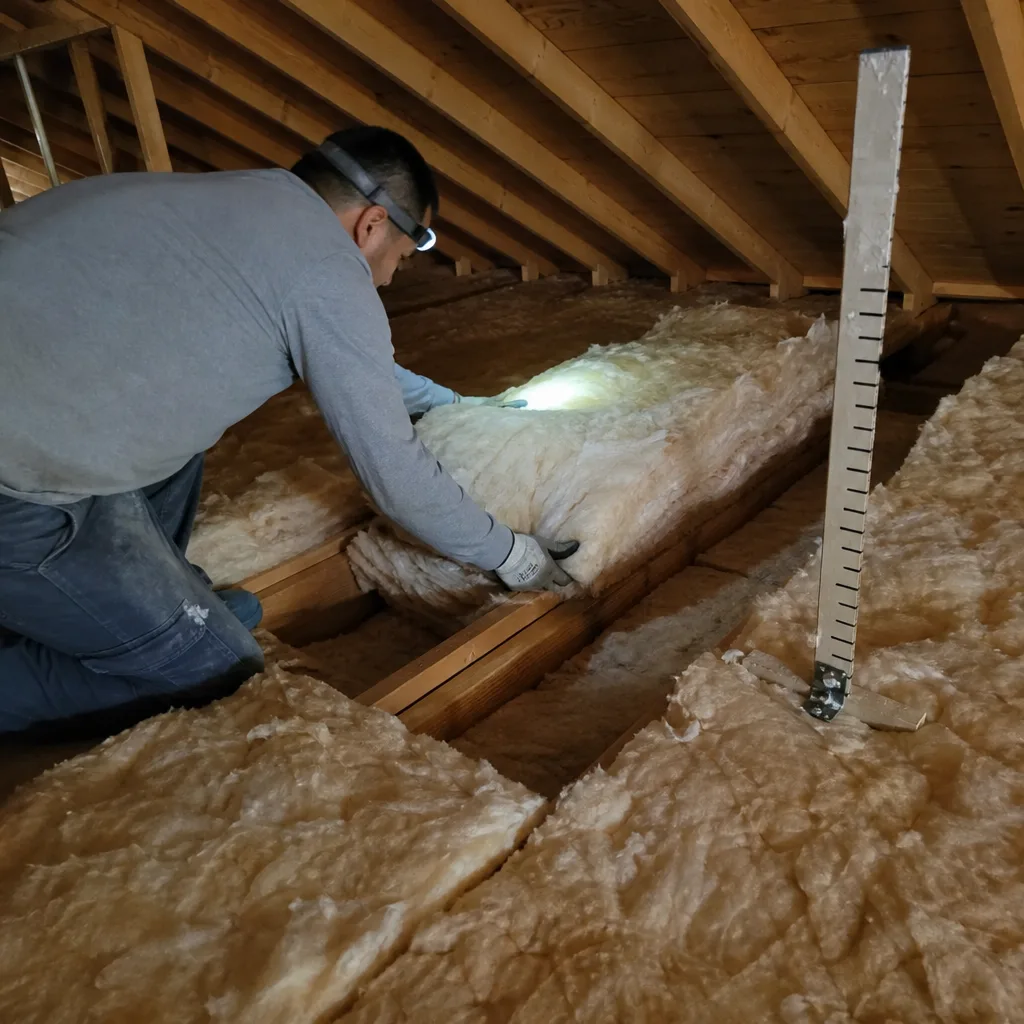
Drill & Fill Wall Insulation
Drill and fill uses loose-fill fiberglass or cellulose blown into wall cavities through strategically placed holes, either from the exterior or interior depending on siding type and room layout. We recommend this for San Marcos homes with hardboard or vinyl siding that can be removed and replaced cleanly, and for interior walls where we’re already doing repair work. The material we select depends on your cavity depth and whether moisture management is a concern - Knauf Jet Stream Ultra and GreenFiber cellulose are common choices for our San Marcos jobs. Every drill-and-fill job includes a written density spec so you know the installed weight per square foot, not just the bag count.
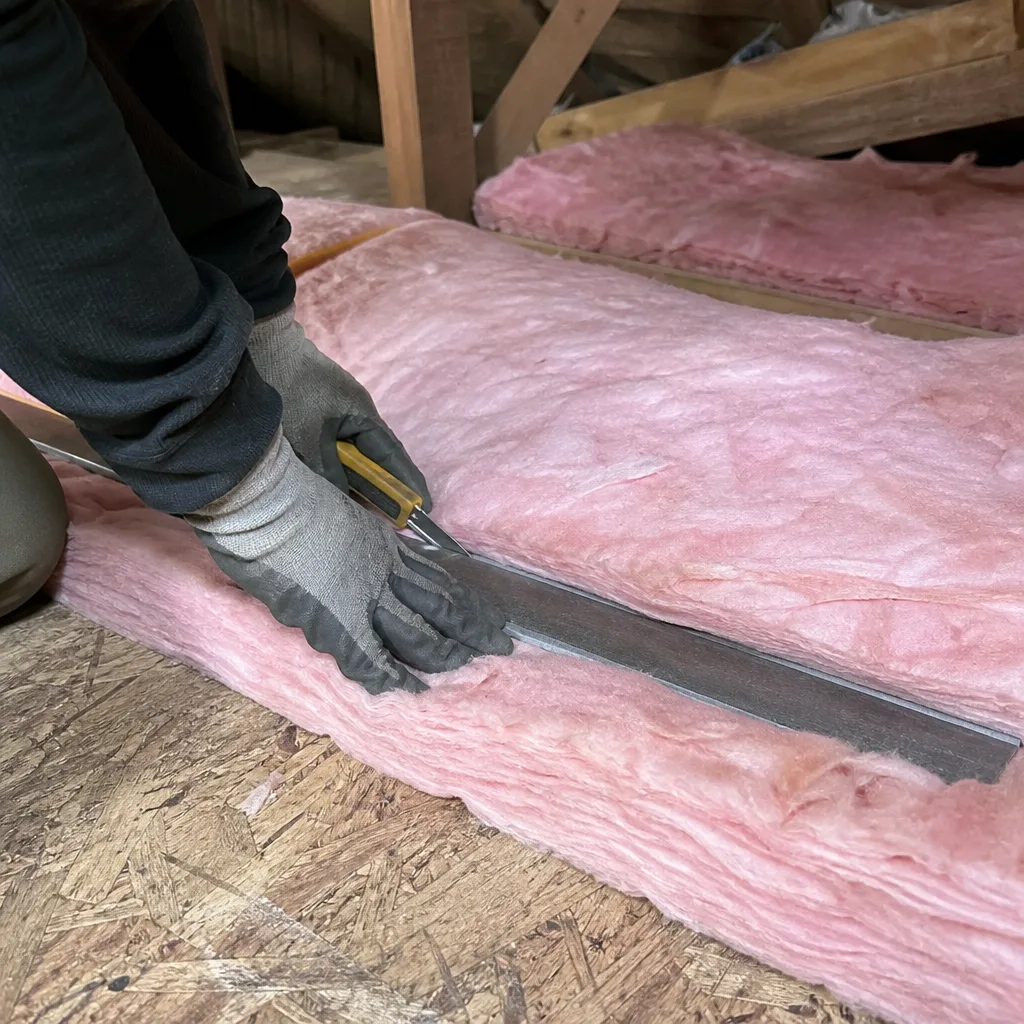
Exterior Wall Insulation
Exterior wall insulation addresses the thermal boundary from the outside, often in conjunction with siding replacement or as a standalone rigid-foam application. In San Marcos, we see this need most in homes with original wood siding in the historic district, or in properties where interior disruption must be minimized for medical or work-from-home reasons. We source rigid-foam products from Owens Corning and Johns Manville, installed with proper drainage planes and flashing integration per local code. The work is permitted and inspected, and your written scope includes the R-value achieved and the fastening pattern used.
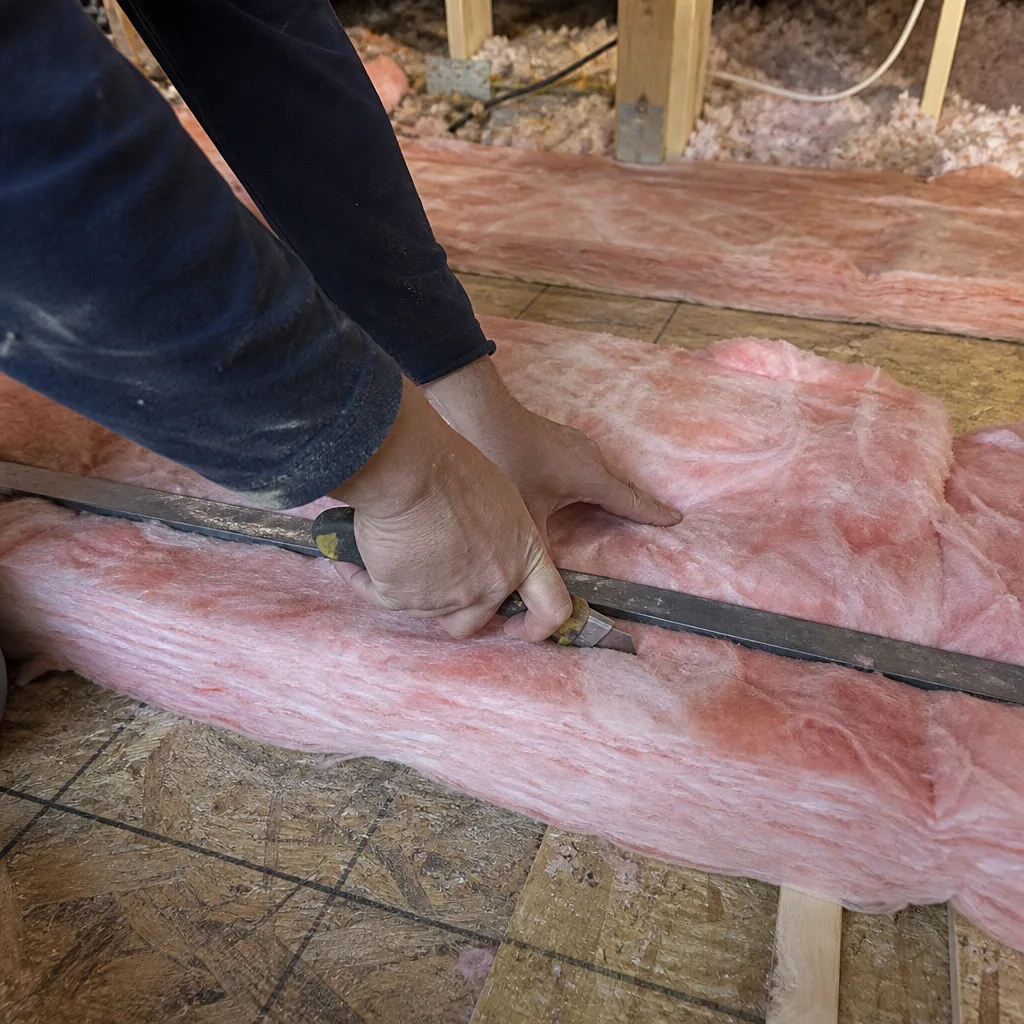
Interior Wall Soundproofing
Interior wall soundproofing uses dense-packed mineral wool or specialty batts to reduce airborne and impact noise between rooms - not a thermal application, but a comfort upgrade that shares our wall-access expertise. San Marcos homeowners request this most often for home offices along I-35 corridor properties, media rooms in newer builds, and secondary suites added to existing floor plans. Wall Insulation in Redwood and other nearby communities have similar requests as remote work has normalized. We specify Rockwool Safe’n’Sound or CertainTeed SilentFX for these jobs, with STC ratings documented in your project record.
What happens when you call
- 1
A real person answersNo phone trees - you reach a local pro.
- 2
You get an upfront price rangeHonest numbers before anyone is dispatched.
- 3
A background-checked tech heads outLicensed & insured, dispatched right away.
- 4
You approve before work beginsNothing starts until you say go.
Brands We Service for Wall Insulation
We’ve installed Johns Manville fiberglass batts and blown-in systems in hundreds of San Marcos homes, particularly in attic-to-wall transition details where consistent R-value matters. Their Spider blown-in system bonds fibers with a low-tack adhesive that reduces settling in vertical cavities, and we stock the full density range for 2×4 and 2×6 framed walls. Knauf’s EcoSeal and Jet Stream products are our go-to for high-velocity applications in older homes with irregular stud spacing, common in the 1970s subdivisions near Texas State University. Their formaldehyde-free formulation is specified often by homeowners with chemical sensitivities.
Rockwool’s stone wool batts handle the moisture fluctuations we see in San Marcos Hill Country homes better than organic fibers, and we use them for exterior walls where bulk water management is a concern as well as for interior soundproofing assemblies. CertainTeed’s Optima and InsulSafe lines round out our thermal offerings, with their recycled-content batts specified in several green-building projects we’ve completed in the Blanco Vista development. Whether you have a preference for one of these brands or need guidance matching material to wall type, we can help. We carry no proprietary product lock-in, and our written scope names the exact material, density, and installed R-value you’ll receive.
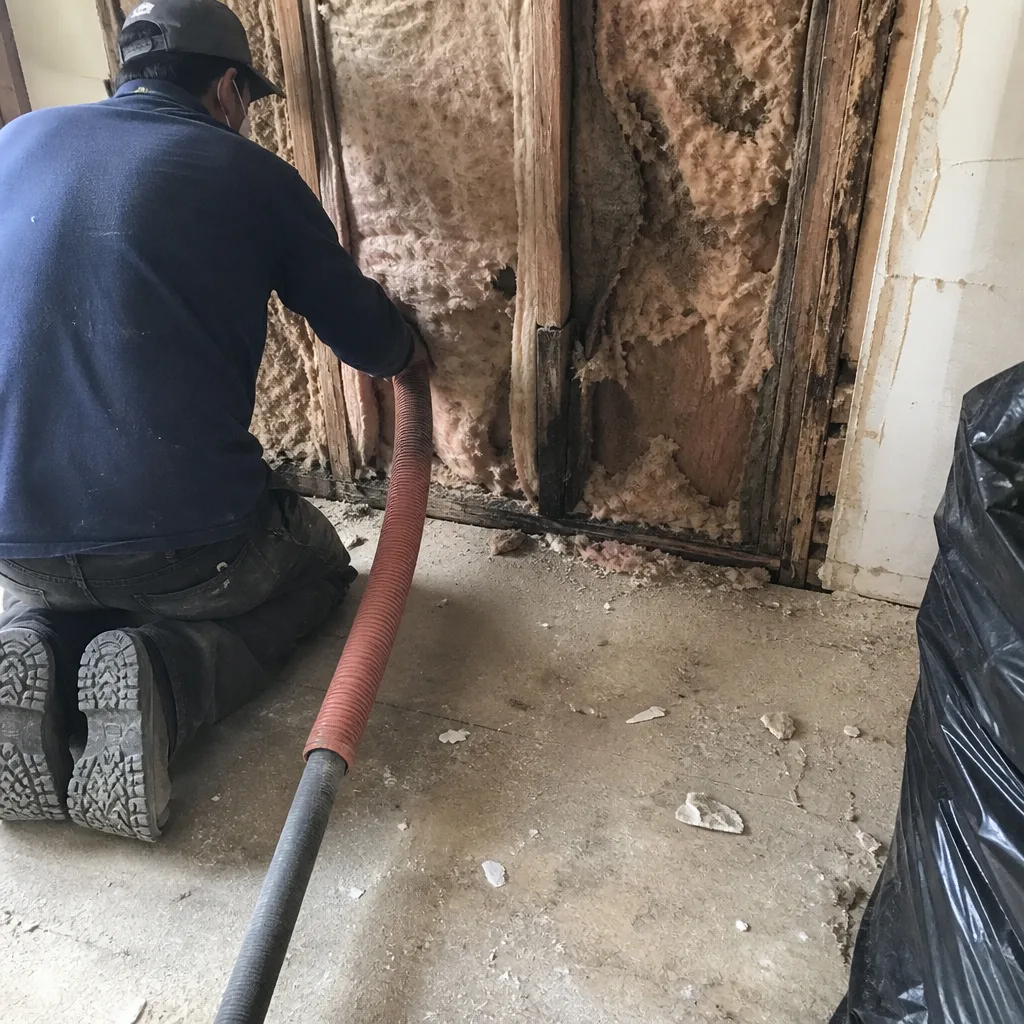 Before
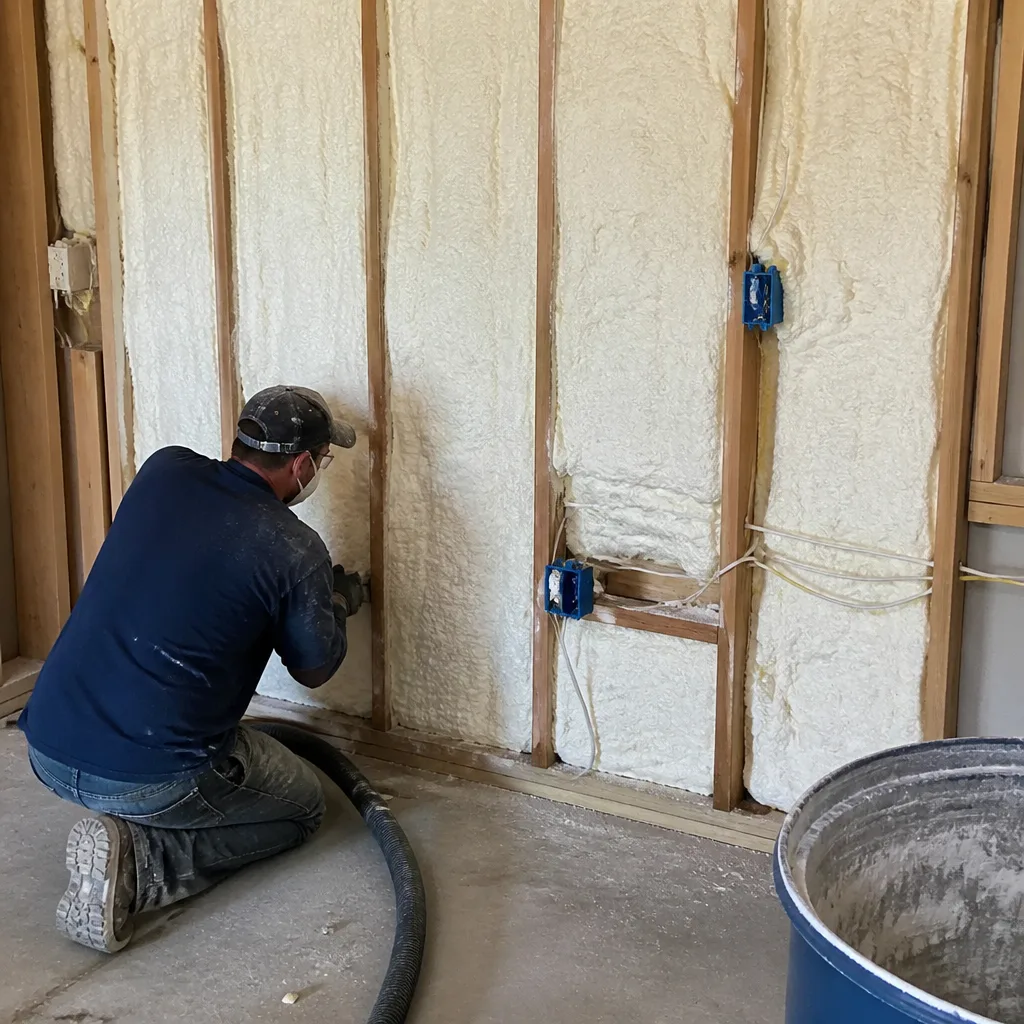 After
AfterSigns You Need Wall Insulation Right Now
- Rooms that won’t hold temperature despite good attic insulation. If your north-facing bedroom in San Marcos is 15 degrees colder than the hallway in January, the problem is likely in the walls. Attic insulation doesn’t fix thermal bridging through empty stud cavities, and we’ve measured wall surface temperatures 30 degrees below ambient in uninsulated rooms during our energy audits.
- Energy bills that spike beyond neighborhood averages. A typical 1,800-square-foot San Marcos home with insulated walls and sealed envelope runs $180-$260 monthly for combined electric and gas in peak summer. If you’re consistently 40% above that with similar square footage and occupancy, wall leakage is a prime suspect. We compare your usage against local baselines during our free estimate.
- Exterior walls that are hot or cold to the touch. In summer, an insulated exterior wall should feel neutral; if it’s radiating heat at 4 p.m. in August, the cavity is likely empty or the existing material has settled. We’ve found batts compressed to one-third their labeled thickness in San Marcos homes where original installers stuffed oversized product into narrow cavities.
- Draft patterns that don’t trace to windows or doors. Hold a smoke pencil or thin ribbon near baseboards and electrical outlets on exterior walls. Persistent inward airflow in winter indicates pressure-driven leakage through the wall assembly, not just window weatherstripping failure. This is common in homes built before 1980 in the Rio Vista and Sagewood areas.
- Moisture staining or mold on interior wall surfaces. Condensation forms when warm, humid interior air meets cold wall surfaces in uninsulated cavities. San Marcos’s spring humidity and temperature swings create ideal conditions for this. We don’t insulate over active moisture problems; we identify the source, remediate, and then install. Ignoring this sequence traps water and voids most material warranties.
Our Wall Insulation Process - Step by Step
- 1
Initial assessment and blower-door test. We arrive at your San Marcos home with a written appointment window and text notification when the technician is en route. The first task is a building envelope assessment, including a blower-door test on applicable jobs to establish your baseline air leakage in CFM50. This number - typically 3,500-6,000 for unsealed homes in this market - becomes the benchmark we measure improvement against.
- 2
Wall cavity inspection and scope development. Using infrared imaging and selective probe holes, we determine what’s currently in your walls, where it’s missing, and whether removal is advisable. In some San Marcos homes, particularly 1950s-era construction near the railroad tracks, we’ve found newspaper, corn cobs, or no material at all. Your written scope names the access method, material spec, density target, and flat price before any work starts.
- 3
Air sealing of top plates, penetrations, and bypasses. Under Haven Standard, we seal before we insulate. This means foam-sealing top plates where walls meet the attic, gaskets around electrical boxes, and caulk or foam at plumbing and HVAC penetrations. The blower-door test is repeated after sealing to quantify the improvement. Most San Marcos homes see 15-35% reduction in air leakage from this step alone.
- 4
Insulation installation with density verification. Whether injection foam, drill-and-fill, or batt installation, we verify installed density against manufacturer specs using core samples or fill-weight calculations. For blown applications, we mark stud cavities and photograph fill levels. You’re welcome to observe; we explain what we’re doing as we work.
- 5
Final blower-door test, documentation, and walkthrough. We run the blower door a final time and publish the before-and-after numbers in your project record. You receive a Documented Photo Record, the written warranty, and a walkthrough of any areas that required special attention. Payment is due only after you’ve reviewed and accepted the documentation.
How Much Does Wall Insulation Cost in San Marcos?
Wall insulation costs in San Marcos depend on wall construction, access method, and whether existing material must be removed. For a broader look at pricing, see our Wall Insulation cost guide. Here are the ranges we see most often for typical homes in this market:
| Service Type | Typical Range | Common Home Profile |
|---|---|---|
| Injection foam, whole home (1,500-2,200 sq ft) | $4,500-$7,500 | Finished interiors, 1960s-1990s ranch or split-level |
| Drill & fill with fiberglass or cellulose | $2,800-$5,200 | Accessible siding, 2×4 or 2×6 construction |
| Exterior rigid foam with siding integration | $8,500-$14,000 | Siding replacement concurrent, historic or custom homes |
| Interior wall soundproofing, per wall | $1,200-$2,800 | Single room or suite, drywall removal and replacement |
Several factors move these numbers. Two-story homes cost more per square foot of wall area because of scaffolding and access complexity. Homes with aluminum siding or brick veneer require different hole patterns and repair methods than vinyl or wood. Removal of degraded or moisture-damaged existing material adds $800-$2,500 depending on volume and disposal requirements. And wall cavities with extensive wiring or plumbing obstructions need hand-packing in sections, which slows production.
To avoid overpaying, get competing estimates in writing and bring them to us for a Free Second Opinion - we’ll read them with you line by line. Our flat price includes material, labor, air sealing, disposal, and documentation; we don’t add trip charges or “unexpected condition” fees after the scope is signed. Every free estimate includes the blower-door baseline, infrared images of your walls, and a written price valid for 30 days.
Wall Insulation Near San Marcos - Our Service Area
We serve San Marcos and surrounding communities with typical response times of same-day to 48 hours depending on season and scope. Our primary wall insulation service area includes Wall Insulation in Kyle, Redwood, Lockhart, Buda, and the Austin metro fringe including Shady Hollow and Lost Creek. For properties in Bastrop, Lago Vista, Lakeway, Hornsby Bend, or deeper into Austin proper, we schedule dedicated crews and may coordinate multi-day scopes to justify travel. Call (737) 337-8049 to confirm availability for your address; we’ll give you a realistic timeline, not a callback window measured in business days.
Serving San Marcos, TX - Our Local Coverage Area
We’re based in the San Marcos area and know this community well. Use the map below to see our service coverage - if you’re nearby, we can almost certainly help.
Frequently Asked Questions - Wall Insulation in San Marcos
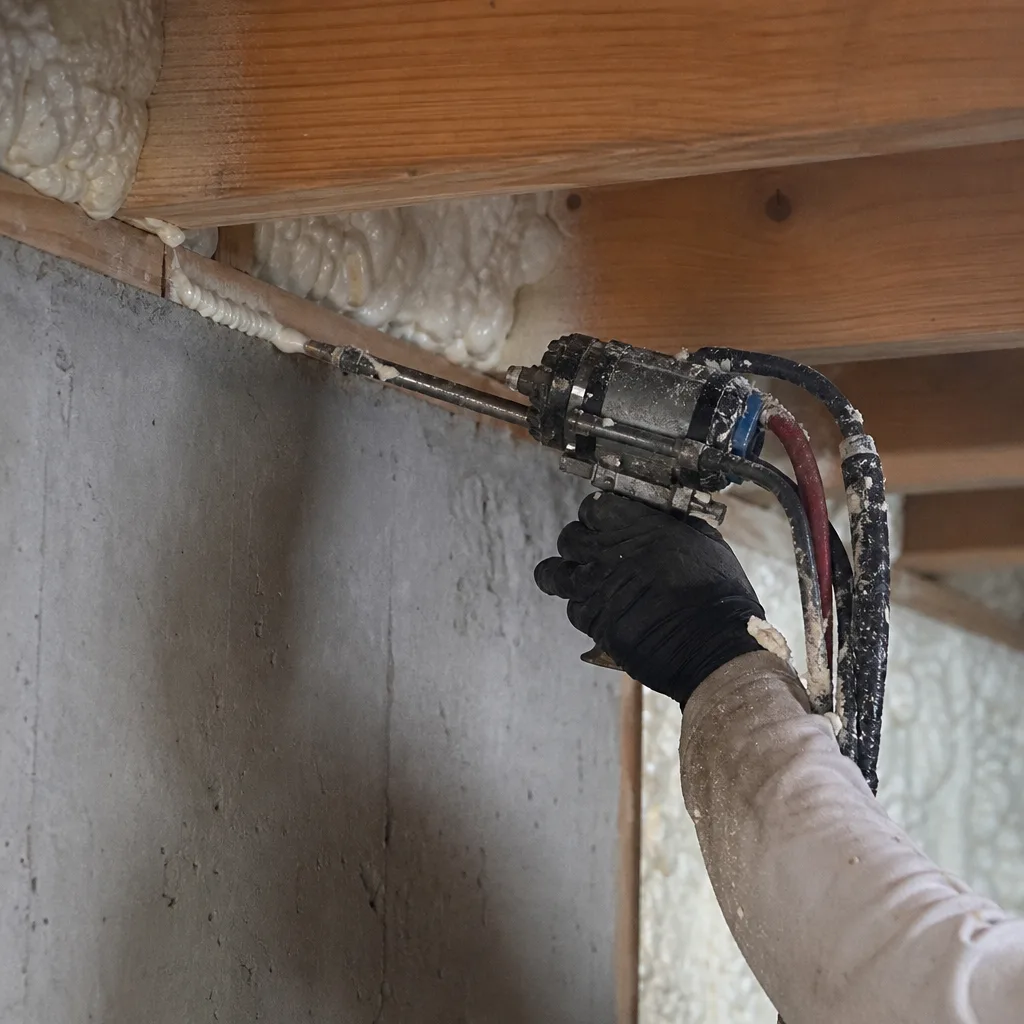
Wall insulation reduces heat transfer through your home’s vertical exterior surfaces by trapping air in fibrous, foam, or mineral materials within the stud cavity. In San Marcos’s climate, this means keeping 100-degree afternoon heat outside in August and retaining furnace-warmed air in January. The installed R-value - typically R-13 to R-21 for 2×4 and 2×6 walls respectively - determines how effectively the material resists that heat flow.
Most whole-home wall insulation jobs in San Marcos are completed in one to two working days, with soundproofing or single-room scopes often finished in four to six hours. Injection foam and drill-and-fill methods minimize interior disruption; you can occupy the home during work, though we ask that pets be secured and wall-mounted valuables be removed. Your written scope includes the scheduled start and expected completion time.
A typical drill-and-fill or injection foam job for a 1,800-square-foot San Marcos home runs $3,500-$6,500 depending on cavity depth, siding type, and whether existing material must be removed. Exterior rigid-foam applications with siding integration start around $8,500. Call (737) 337-8049 for an exact quote - estimates are free, and your written price is valid for 30 days with no obligation.
Yes. We install and service wall insulation systems from all four brands, plus Owens Corning, GreenFiber, and others. We don’t carry exclusive or preferred status with any manufacturer, which means we specify based on your wall type and performance need, not inventory pressure. Your written scope names the exact product line and density you’ll receive.
We answer calls 24/7 through a live person, not voicemail, and we can dispatch for urgent situations like post-storm wall damage or failed insulation exposing plumbing to freeze risk. True emergencies in wall insulation are rare; most San Marcos homeowners schedule within a week. For same-day assessment, call (737) 337-8049 and we’ll confirm crew availability.
All completed wall insulation is backed by our 365-Day Done Right Promise - if it’s not done right, we make it right. The specific material warranty - typically lifetime for fiberglass batts, 10-25 years for spray and injection foams - is documented in your written scope alongside our workmanship guarantee. Haven Standard requires both in writing before work starts.
Clear a 3-foot workspace along exterior walls, remove wall-mounted pictures and shelving, and secure pets in a separate room. We bring floor protection and HEPA-filtered equipment for dust control, but fragile items should be moved by you. For exterior-access jobs, ensure gates are unlocked and notify us of sprinkler systems or shallow utilities near foundation walls. We’ll confirm any site-specific prep in your pre-arrival text.
Schedule Your Wall Insulation Service in San Marcos Today
Call (737) 337-8049 to speak with a live person and schedule your free wall insulation estimate in San Marcos. You’ll get a written price before any work starts, a Documented Photo Record when the crew leaves, and before-and-after blower-door numbers on every applicable job. Our 365-Day Done Right Promise applies to all work, and we’re available 24/7 for questions or scheduling. No voicemail loops, no callback windows, no obligation until you approve the scope.
Written by Wes Okafor, Owner at Topside Attic Insulation San Marcos, serving San Marcos, Wall Insulation - Kyle, Redwood, and surrounding communities since 2016.